Zambia’s president to be sworn in for second term while opponent detained
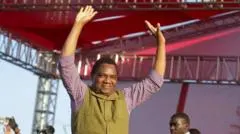
Zambia's President Hakainde Hichilema is due to be sworn in on Tuesday for a second five-year term, following a disputed 13 August election and the arrest of his main rival, Brian Mundubile, on treason charges. Hichilema, credited with stabilising the economy after inheriting a debt default and soaring inflation in 2021, won 60% of the vote according to official results, but Mundubile alleges the count was tampered with and was unable to mount a legal challenge because the courts were sealed on the final filing day. The situation matters because it raises questions about the credibility of the vote and the treatment of opposition figures in a country previously seen as a democratic success story in the region.
Mundubile, who took 38% of the vote, went into hiding with his running mate Makebi Zulu after a security raid on a Lusaka property linked to him left a former cabinet minister dead and several opposition figures arrested; both men were detained and charged with treason at the weekend. EU election observers reported weaknesses in the tallying process, including delays in recording results and poor verification between digital and paper records, though polling day itself was largely peaceful. Hichilema, 64, will be sworn in alongside running mate Mutale Nalumango at Lusaka's National Heroes Stadium, with African leaders including Botswana's Duma Boko and Tanzania's Samia Suluhu Hassan expected to attend.
In short
- Hichilema sworn in for second term amid disputed Zambian election
- Opposition leader Mundubile detained and charged with treason
- EU observers flagged issues with vote tallying process
Steelman: both sides, in good faith
The strongest fair case each way — we don't pick a winner.
The case for
Supporters of Hichilema’s second term can point to his clear official victory and argue that the reported weaknesses in tallying do not, by themselves, prove the result was changed. They may also stress his record of stabilising an economy in crisis and the need for authorities to investigate serious security incidents, including the death during the raid, through lawful processes.
The case against
Critics can argue that delays and weak checks between digital and paper tallies undermine confidence in the result, especially when the courts were unavailable on the final day for an election challenge. They may see the treason charges and detention of the main opposition candidate as raising grave concerns about political competition and due process, regardless of whether the allegations against him are substantiated.
Explained simply
Zambia is a multi-party democracy in southern Africa. Hakainde Hichilema became president in 2021, taking office during a debt crisis and high inflation; his government has since been credited with stabilising the economy.
His main rival is Brian Mundubile, who leads an opposition party, and Makebi Zulu was Mundubile’s running mate. Their dispute with Hichilema’s party centres on the conduct and reported results of the election, with observers noting problems in how votes were tallied.
The case matters because confidence in elections and the treatment of political opponents can affect Zambia’s democratic institutions. The country has often been regarded as a relative example of democratic stability in the region.