Entertainment news and discussion on TalkFuse.
Zelda: Ocarina of Time Is the Last Game That Needs a Jump Button
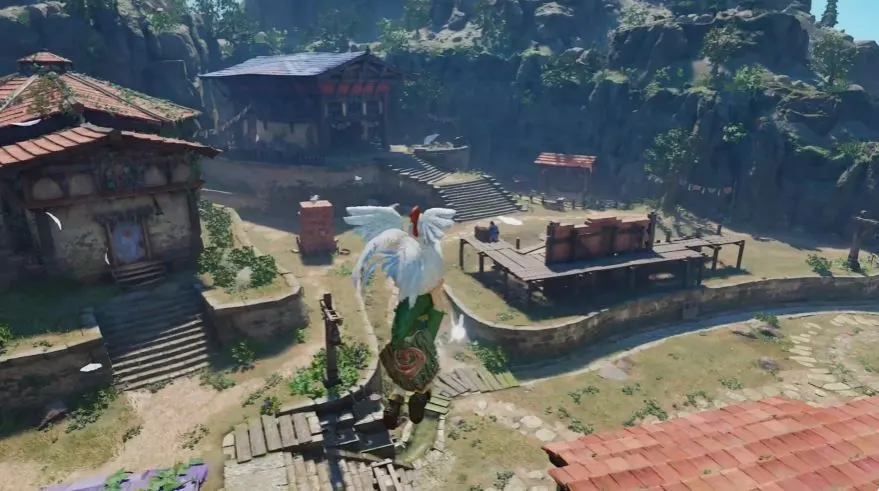
Nintendo has confirmed that its Switch 2 remake of The Legend of Zelda: Ocarina of Time will include a dedicated jump button, a change unveiled during a 40th-anniversary Zelda stream. The article argues this is a needless addition, since the original 1998 Nintendo 64 game handled jumping automatically as Link approached ledges, and this suited the adventure game's exploratory feel rather than demanding platformer-style precision. The writer suggests the change mainly frees up button space for other functions rather than fixing any real problem with the original design.
Producer Eiji Aonuma demonstrated the new mechanic, explaining that players can now jump, and even double-jump, across gaps, contrasting it with the N64 version's automatic edge-triggered leaps. The remake appears otherwise to be a largely faithful, visually enhanced recreation, similar in approach to this year's Star Fox remake, with other tweaks including a touchscreen inventory system reminiscent of the 2011 3DS remaster's dedicated ocarina button. The article notes that while manual jumping could reduce accidental leaps or ledge-drops that occasionally frustrated N64 players, none of the dungeon footage shown so far suggests new areas actually require it. The remake is due for release on Switch 2 in November.
In short
- Switch 2's Ocarina of Time remake adds a manual jump button.
- Original N64 game auto-jumped Link near ledges automatically.
- Writer argues the change is unnecessary but frees up controls.
Steelman: both sides, in good faith
The strongest fair case each way — we don't pick a winner.
The case for
A dedicated jump button could give players more direct control over Link’s movement, helping them avoid unwanted leaps or falls and making tricky crossings feel more deliberate. It may also suit a remake’s updated controls and leave room for other actions, while double-jumping could add flexibility without changing the familiar adventure. Against that, the footage so far does not show new areas that require the mechanic.
The case against
Ocarina of Time’s automatic jumps were part of how its exploration worked: players could focus on navigating the world without having to manage platforming inputs. Adding a manual jump, especially a double-jump, risks changing that feel and introducing a solution to a problem the original handled adequately. If the remake’s spaces do not make the ability necessary, the change may add complexity without a clear benefit.
Explained simply
The Legend of Zelda is Nintendo’s adventure series starring Link, who explores a world, solves puzzles and faces enemies. Ocarina of Time, first released for the Nintendo 64 in 1998, moved the series into 3D and became a widely recognised entry in the franchise.
In the original game, Link leapt automatically when he ran towards a ledge, so players did not need a separate jump control. The new version is a remake for Nintendo’s Switch 2, with updated visuals and changes to some controls and menus; producer Eiji Aonuma is one of the people presenting it.
The control change matters because it may affect how players move through an adventure designed around exploration and puzzle-solving. For newcomers, the debate is about whether a familiar game benefits from giving players more direct control over jumping.