World news and discussion on TalkFuse.
Zelensky announces Berlin talks with US, European allies to shape next phase of Russia negotiations
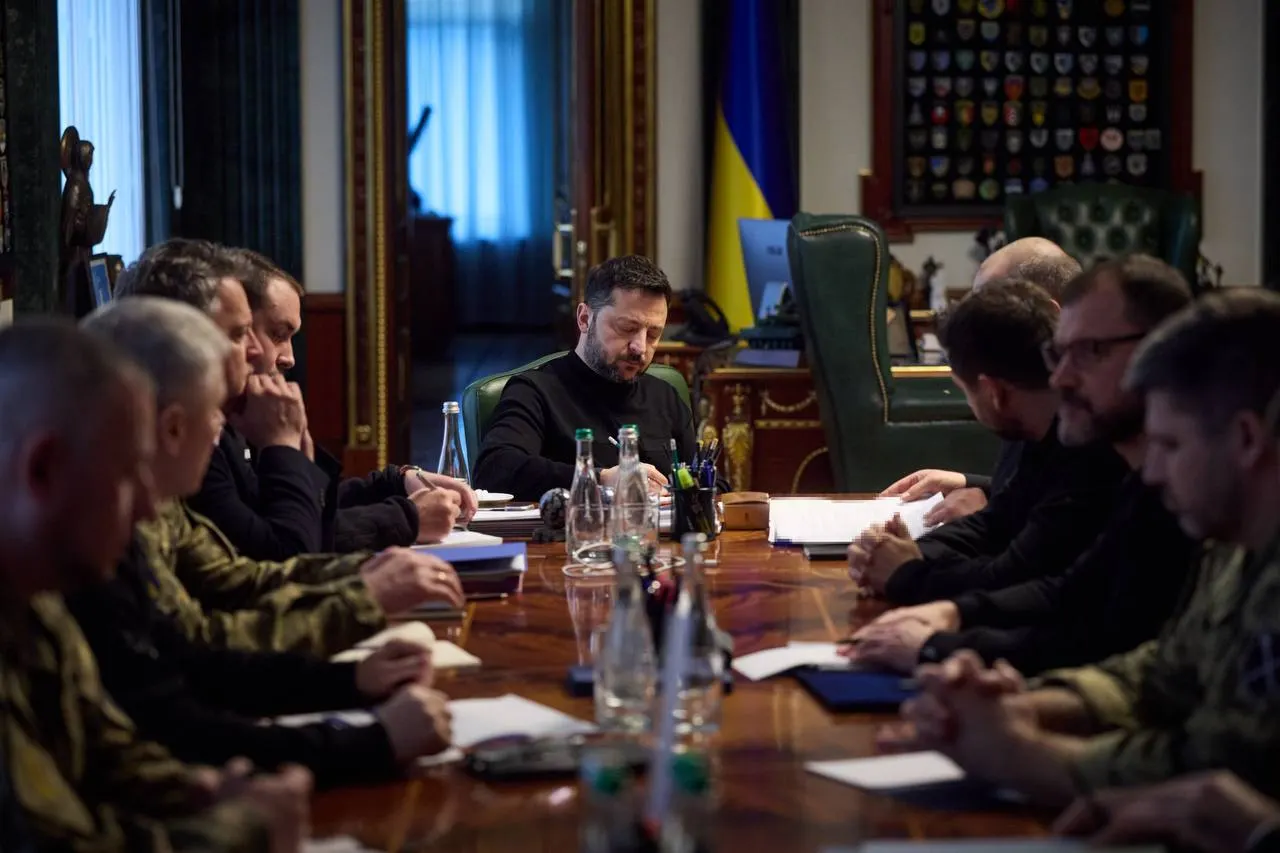
Ukrainian President Volodymyr Zelensky says Ukrainian officials, US envoys and European allies will meet in Berlin to coordinate positions on negotiations to end Russia’s war. The talks aim to shape the next phase of diplomacy and address Ukraine’s security and recovery, while giving European countries a stronger role.
The meeting could take place on 19 November, alongside a summit hosted by German Chancellor Friedrich Merz. It follows US-brokered talks in Abu Dhabi that produced no ceasefire breakthrough, though the sides discussed a prisoner exchange that could involve up to 1,300 people. Territory remains a major obstacle: Moscow continues to demand that Kyiv surrender parts of Donetsk and Luhansk that Russian forces have not captured.
In short
- Zelensky says talks will take place in Berlin this week.
- Ukraine wants Europe included more fully in negotiations.
- A prisoner exchange of up to 1,300 people is being prepared.
Steelman: both sides, in good faith
The strongest fair case each way — we don't pick a winner.
The case for
Supporters of the Berlin talks can argue that a durable settlement needs Ukraine, the United States and European allies to coordinate before negotiations advance. Giving Europe a stronger role could help secure credible guarantees for Ukraine and sustained support for recovery, while diplomacy may offer a path to end the fighting and resolve issues such as prisoner exchanges.
The case against
Sceptics can argue that talks risk creating pressure for Ukraine to accept territorial concessions while Russia continues to demand land it has not captured. Without a ceasefire breakthrough or clear evidence that Moscow is prepared to compromise, another round of diplomacy may yield little and could weaken Ukraine’s position if allies’ priorities diverge.
Explained simply
Russia’s full-scale invasion of Ukraine began in 2022 and has since become a prolonged war involving heavy fighting and repeated diplomatic efforts. Any settlement would have to address not only whether the fighting stops, but also Ukraine’s future security and the rebuilding of damaged communities.
Volodymyr Zelensky is Ukraine’s president, while Russia is led by Vladimir Putin; the United States and European countries have supported Ukraine and taken part in efforts to find a way to end the war. Germany, led by Chancellor Friedrich Merz, is hosting the Berlin summit, and the talks bring together Ukrainian officials, US envoys and European allies.
The future of territory claimed by Russia is a central dispute, alongside guarantees for Ukraine’s security. European governments want a stronger role in shaping diplomacy that could affect the continent’s security and the resources needed for Ukraine’s recovery.