Zelenskyy says Putin ‘lost the initiative’ as Ukraine’s tech industry reshapes the war
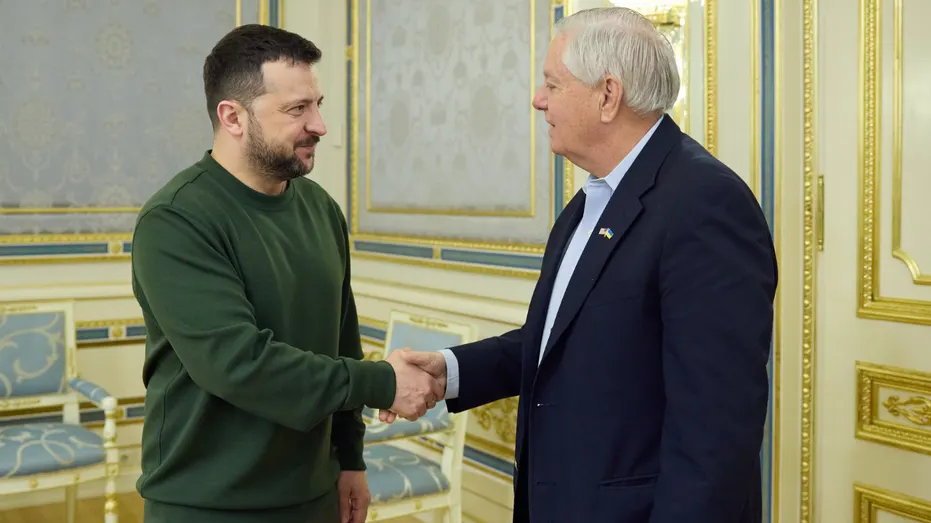
Ukrainian President Volodymyr Zelenskyy told Fox News that Russia has lost the battlefield initiative in its war against Ukraine, crediting Ukraine's growing use of domestic technology and drone production for shifting momentum away from Moscow. The comments, made during an interview on Fox News's "Hannity", underline how technological innovation has become a central factor in Ukraine's ability to resist Russian advances more than three years into the invasion.
During the same interview, Zelenskyy also paid tribute to the late Senator Lindsey Graham, R-S.C., reflecting on the strong support the South Carolina senator had shown for Ukraine throughout the conflict. The interview touched on how the war has evolved and what has changed in the balance of power between Kyiv and Moscow, though further specific details from the exchange were not provided in the available report.
In short
- Zelenskyy says Putin has lost the war's initiative.
- Ukraine's tech and drone industry credited with the shift.
- Zelenskyy also honoured late Senator Lindsey Graham's support.
Steelman: both sides, in good faith
The strongest fair case each way — we don't pick a winner.
The case for
Ukraine has demonstrably shifted the battlefield dynamics through technological innovation, particularly in domestic drone production and advanced weapon systems. By leveraging innovation over manpower advantages, Ukrainian forces have achieved significant tactical successes against Russian positions and infrastructure, suggesting that technological initiative can effectively compensate for numerical disadvantages and represent a meaningful change in the war's momentum.
The case against
Russia continues to advance territorially, however gradually, whilst sustaining a war of attrition that favours its superior resources and manpower reserves. Despite Ukraine's impressive technological achievements, controlling strategic initiative requires not only inflicting tactical defeats but also preventing territorial losses and securing long-term sustainability—areas where Russia's material advantages may ultimately prove decisive.
Explained simply
Russia launched a full-scale invasion of Ukraine in February 2022, seeking to take control of the country and depose its government. More than three years into the conflict, Ukraine has mounted a determined resistance against a military with far greater resources and manpower.
In recent years, Ukraine has invested heavily in developing and manufacturing its own drone technology rather than relying entirely on supplies from Western allies. Drone warfare has become a dominant feature of the conflict, with both sides using unmanned weapons to strike targets, gather intelligence, and disrupt military operations.
How a country manufactures weapons and manages its supply lines can fundamentally affect the course of a long military conflict. In Ukraine's case, the ability to produce drones domestically means it has less dependence on external suppliers and can sustain its war effort more independently as the conflict continues.