Zimbabwean author Simbarashe Kundizeza denies using AI to write prize-winning story
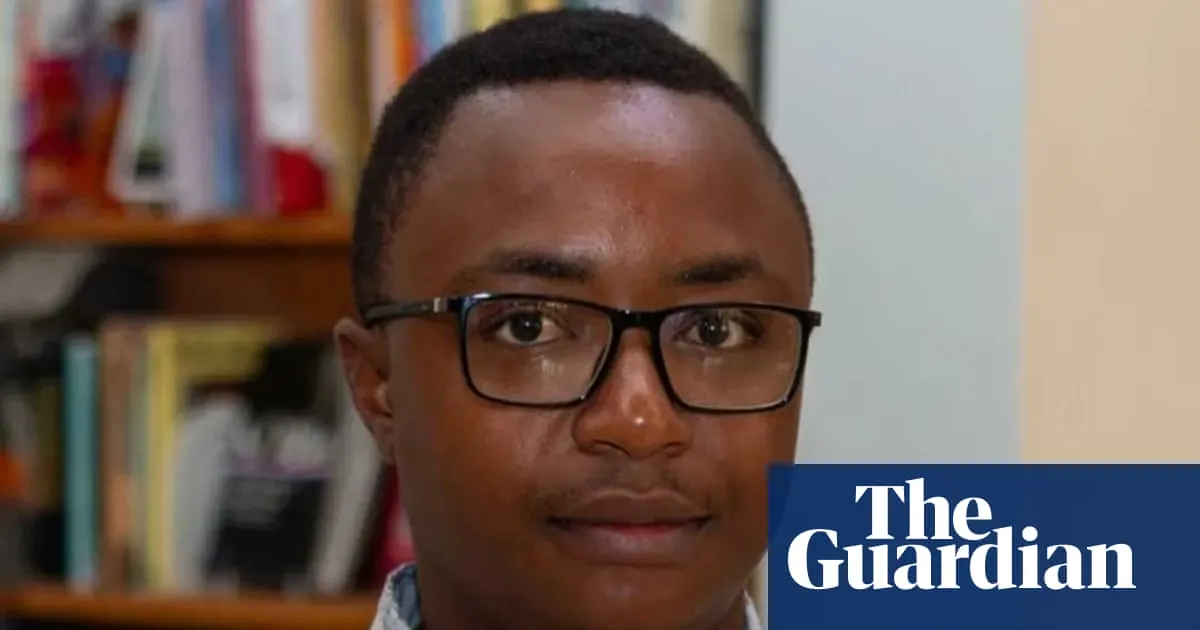
Zimbabwean author Simbarashe Kundizeza denies using generative AI to write his short story *The Blue Fighter*, which won the Caine Prize for African writers on 6 October. The dispute matters because the allegations have prompted the prize organisers to review the case and raised questions about how reliably AI detectors can judge literary work.
Five days after the win, journalist Vauhini Vara wrote in *The Atlantic* that Pangram’s detector had marked the story as almost entirely AI-generated; she also criticised its style and compared it with an earlier story by Kundizeza. He says the story is entirely his own work and argues that writers can change style or improve over time. Caine Prize chair Ellah Wakatama cautioned against treating detection software as a final arbiter, while Vara acknowledged that independent research on its accuracy is limited.
- Kundizeza says he wrote the prize-winning story himself.
- An AI detector flagged *The Blue Fighter* as almost entirely generated.
- The Caine Prize is reviewing the allegations and the detector’s role.
New here? Start with this
The Caine Prize is an annual award for short fiction by African writers. Simbarashe Kundizeza won it for “The Blue Fighter”, a story he says he wrote himself; journalist Vauhini Vara has questioned whether generative AI was used.
AI detectors look for patterns they associate with text produced by artificial intelligence, but their results can be disputed. The prize organisers are reviewing the case, and the debate has drawn attention to how such tools should be assessed when judging literary work.
Both sides, in good faith
The strongest fair case each way — we don't pick a winner.
The case for
The detector’s result and the reported stylistic similarities raise a legitimate question about whether the prize-winning story was written in line with the competition’s rules. Given the prize’s credibility and the value of fair recognition for writers, organisers should examine the evidence carefully and explain how they assess possible AI use.
The case against
A detector result is not proof of authorship, especially when independent evidence about its accuracy is limited. Kundizeza says the story is his own, and changes in a writer’s style can have many explanations; treating software or stylistic comparisons as conclusive risks wrongly discrediting his work.