Culture news and discussion on TalkFuse.
Zoe Saldaña Says It’s ‘Frustrating’ When Political Questions Only Get Asked to Actors of Color and Women: ‘That’s Incredibly Limiting’
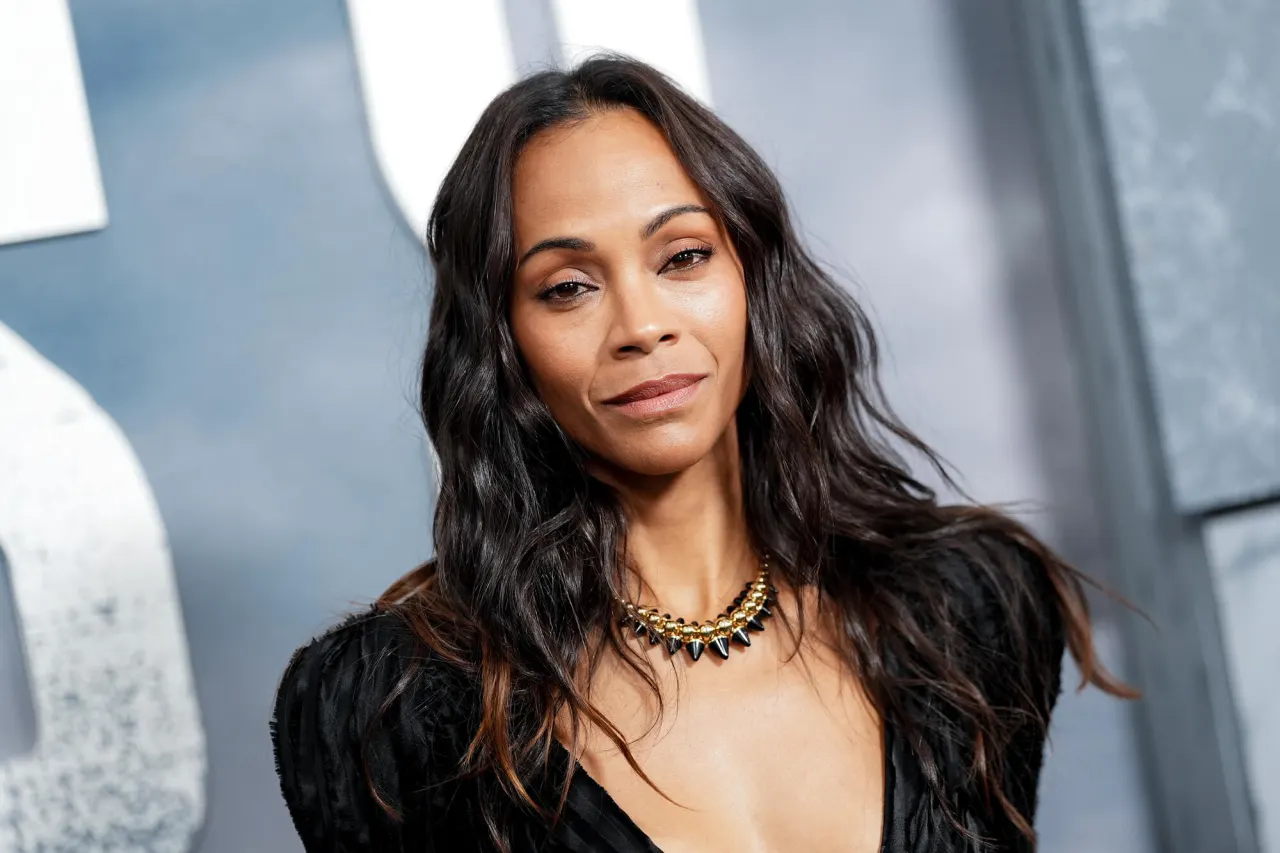
Zoe Saldaña has spoken out about what she sees as an imbalanced pattern in press interviews, saying political questions are disproportionately directed at women and people of colour rather than being asked of the wider, more diverse group on stage. Speaking at the Locarno Film Festival, the Oscar winner said she often does Q&As hoping to discuss her craft, but repeatedly finds herself fielding political questions instead, which she called "incredibly limiting" and unfair on marginalised performers.
Saldaña gave the example of being asked how to make films more inclusive simply because she was the only person of colour or woman present, arguing journalists should instead put such questions to the "gatekeepers" in the room. She did not cite specific instances, though the article notes she was famously asked about "Emilia Pérez" offending Mexican audiences moments after winning her best supporting actress Oscar in 2025, a moment she addressed at the time by expressing regret while defending the film's intentions. Saldaña currently appears in the third season of "Lioness" on Paramount+ and received a Special Honour at this year's Locarno festival.
In short
- Saldaña says women and people of colour get disproportionate political questions in interviews
- She calls the practice "incredibly limiting" and puts extra burden on marginalised actors
- Made comments at Locarno Film Festival; currently stars in "Lioness" season three
Steelman: both sides, in good faith
The strongest fair case each way — we don't pick a winner.
The case for
Saldaña argues that women and performers of colour are disproportionately asked political and social questions in press settings, restricting discussion of their craft and professional expertise. She contends this reflects an unfair pattern wherein marginalised voices become spokespeople for broader social issues whilst industry decision-makers escape similar scrutiny, and that journalists should instead direct such questions to institutional gatekeepers responsible for structural change.
The case against
A reasonable counter-position holds that asking diverse performers about representation reflects genuine interest in their authentic perspectives and experiences, which contribute meaningfully to important conversations. Many such performers occupy positions of creative influence as writers, producers, and directors; treating questions about inclusion as an undue burden might actually diminish their voices and expertise on matters directly affecting their communities.
Explained simply
Actors are often asked about their performances and the films or television shows they work on during press interviews and festival Q&As. These events can also raise questions about politics, representation and who gets to make decisions in the film industry.
Zoe Saldaña is an American actor who has appeared in major film and television productions. At the Locarno Film Festival, she said such questions can fall disproportionately to women and people of colour when they are the only ones in a group, rather than to the people with power to shape productions.
Her comments raise a broader question about how journalists distribute responsibility in interviews, and whose views are treated as representative. Saldaña has also faced questions about the cultural impact of a film she starred in, “Emilia Pérez”.
Art Celebrity Culture Entertainment Film