Topic in science

Environment

Environmental news covers the pressing issues affecting our natural world and humanity's relationship with it. From climate change and pollution to conservation efforts and ecosystem management, this coverage explores how human activities impact wildlife and natural resources, and what policies, innovations and practices societies are developing in response. As environmental pressures intensify, these stories directly influence decisions made by governments, businesses and individuals.

About this topic

Our environmental reporting examines regulatory frameworks, scientific research and conservation work that shape our understanding of ecological challenges. It documents both the problems we face—such as air and water pollution, biodiversity loss and resource depletion—and the solutions being pursued through policy, technology and traditional ecological knowledge. These stories matter because environmental choices made today have lasting consequences for public health, natural spaces and the resources available to future generations.

732 stories Follow All news
Last 7 days 40 stories
0

AI adoption drives demand to run VMs and containers together

  • AI is accelerating enterprise adoption of containers.
  • Existing applications and data still run on virtual machines.
  • Separate stacks can waste capacity and complicate AI governance.

The article argues that enterprises adopting AI need to run virtual machines and containers together, rather than maintain separate infrastructure stacks. It says this “VM-container divide” can complicate access to existing applications and data, waste computing capacity and make it harder to deploy and govern AI agents securely.…

The Register0
0

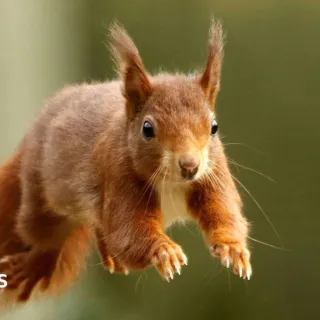
The British island where red squirrels are thriving

  • Jersey’s red squirrels thrive without grey squirrels.
  • The species is endangered across the UK.
  • Local habitat and community support help sustain them.

Jersey is an important refuge for red squirrels, which are endangered in the UK and feared to be at risk of extinction in England. The island’s population thrives largely because grey squirrels, which carry a virus deadly to red squirrels, are absent. Red squirrels were introduced to Jersey…

BBC Science0
0

Chris Janson has a message for hunting critics as country stars face social media backlash

  • Chris Janson says he avoids online criticism of hunting.
  • He says at least half his harvest this year helped others.
  • His conservation work also includes a charity hat partnership.

Country singer Chris Janson says he does not let social media criticism of hunting affect him, arguing that people in the public eye should expect negative comments. His response comes as several country stars have faced backlash over hunting photos, while he says he avoids much of the…

0

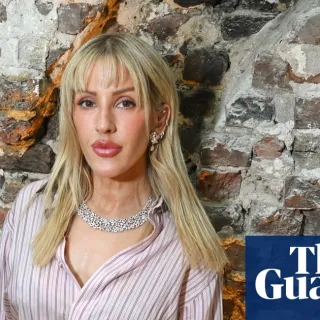
Ellie Goulding apologises for promoting diamonds from Argyle mine

  • Goulding apologised for promoting Argyle pink diamonds.
  • Traditional owners have concerns about the mine’s closure.
  • Rio Tinto says rehabilitation and monitoring are under way.

Ellie Goulding has apologised for promoting pink diamonds linked to the Argyle mine in Western Australia, saying she was unaware of concerns about its impact on Indigenous land. She said the episode fell short of her environmental values and that she would not wear Argyle diamonds again. The…

The Guardian0
0

Canadian tourist says drunken flamingo prank caused bird’s injury

  • Tourist says taking Peachy was a drunken prank.
  • He estimates drinking 30 to 40 beers beforehand.
  • The flamingo was hurt; the jury will consider the case.

Mitchell Fairbairn, a Canadian tourist, told a Las Vegas court he had no intention of harming a flamingo he took from a hotel wildlife habitat to his room. He described the incident as a drunken prank, but acknowledged the bird was hurt; the case matters because he faces…

Daily Mail0
0

EPA acknowledges Pfoa may still be produced, imported and used

  • The EPA changed its website to acknowledge Pfoa may still be produced.
  • Inhance makes up to 200 million containers annually.
  • The dispute highlights the limits of voluntary chemical phase-outs.

The US Environmental Protection Agency has revised its website to acknowledge that Pfoa may still be produced, imported and used, reversing wording that said the chemical had been phased out. The change matters because the EPA considers virtually no exposure to Pfoa or the related compound Pfos in…

The Guardian0
0

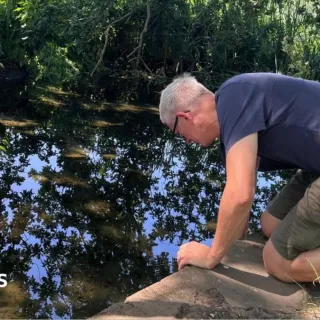
Corby metal pollution may harm people, says study

  • Volunteers found metals in water and soil at Corby sites.
  • Nickel appeared in 28 water samples; cadmium in six.
  • Authorities are reviewing the findings and their potential risks.

A citizen science study has found metals in freshwater and soil at sites around Corby that may pose risks to aquatic life and human health. The findings renew concern over contamination linked to the town’s former steelworks and historic waste, while authorities say they are reviewing the evidence…

BBC Science0
0

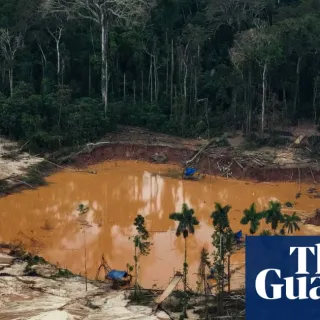
US groups lobbied for two years to weaken EU deforestation law

  • Mighty Earth reports more than 350 meetings on the EU deforestation law.
  • US firms and trade groups say they raised implementation concerns.
  • The law is due to take effect in December after two delays.

An investigation by environmental watchdog Mighty Earth says US companies, trade groups and government officials mounted a two-year lobbying effort to delay and weaken the EU’s deforestation law. The findings matter because the law is intended to stop the EU importing goods linked to deforested land, but its…

The Guardian0
0

Microplastics React With Water, a New Study Says. That’s a Problem for Biology

  • Water may make microplastics chemically active.
  • Reactive compounds could damage cells.
  • Mouse red blood cells ruptured in experiments.

Scientists at Columbia University and UC Berkeley found that water can make microplastic surfaces chemically active, producing reactive compounds that may damage living cells. The study matters because it identifies a possible route by which microplastics could affect biology, even without sunlight or other agents that degrade plastic.…