0

‘Milestone’: Scientists claim to build synthetic cell, raising concerns in step toward artificial life
University of Minnesota researchers say "SpudCell" is the most life-like synthetic cell yet, able to grow, divide and pass traits to offspring.
Science encompasses the diverse methods and discoveries through which we understand the natural world and develop new technologies. From fundamental research into living cells and ancient organisms to innovations in artificial intelligence and environmental management, scientific endeavours span disciplines as varied as palaeontology, atmospheric physics, and biomedical engineering. These advances often emerge from collaborative efforts between universities, tech companies, and research institutions seeking to push the boundaries of what's possible.
The impact of scientific progress touches nearly every aspect of contemporary life. Whether through discoveries that help us manage environmental challenges more effectively, breakthroughs that unlock new computational possibilities, or research that deepens our understanding of planetary history, science shapes how we solve problems and build the future. Readers follow this topic to stay informed about emerging technologies, environmental solutions, and the cutting-edge research that will influence society in the years ahead.
University of Minnesota researchers say "SpudCell" is the most life-like synthetic cell yet, able to grow, divide and pass traits to offspring.
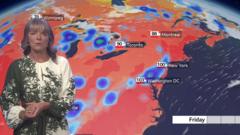
The northeastern United States is experiencing an intense heatwave characterized by extreme temperatures and high humidity levels over the long weekend, with New York City facing its hottest conditions since 2012 at appr

Official projections showed deaths would outpace births every year from 2026 and researchers said Britain entered a 'new demographic era' as this threshold was crossed yesterday.