Atlanta Hawks dump former No. 1 pick Zaccharie Risacher after disappointing two-year stint
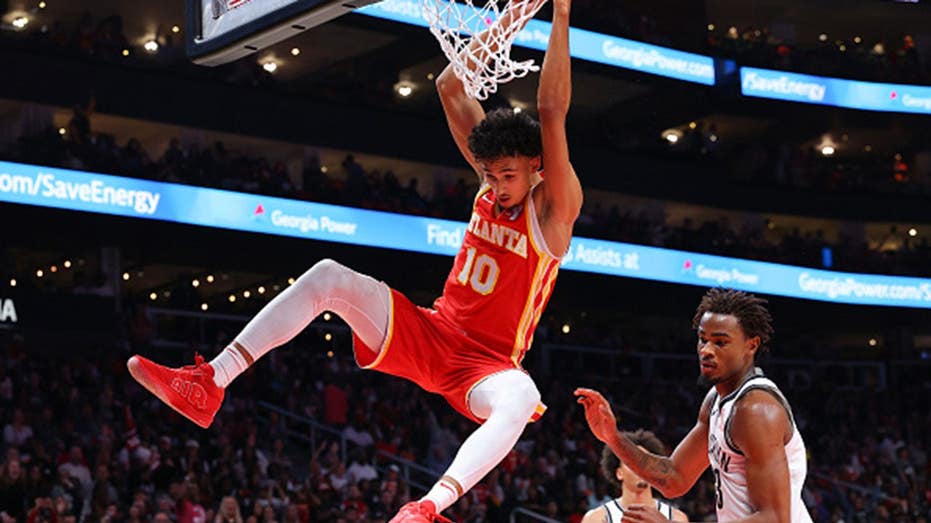
The Atlanta Hawks have traded Zaccharie Risacher, the No. 1 overall pick in the 2024 NBA Draft, to the Dallas Mavericks after just two seasons, marking an early end to what had been an underwhelming stint in Atlanta. The move, confirmed on Sunday, reflects growing disappointment with Risacher's development since he was selected as the top prospect in his draft class.
Risacher, now 21, had failed to live up to the expectations attached to a first-overall selection during his time with the Hawks. The trade is reportedly part of a wider deal that will not become official until the NBA completes an investigation into accusations concerning the teams' salary cap arrangements.
- Hawks trade 2024 No. 1 pick Zaccharie Risacher to Dallas Mavericks
- Risacher, 21, struggled to impress in two seasons at Atlanta
- Trade pending NBA probe into salary cap accusations
Both sides, in good faith
The strongest fair case each way — we don't pick a winner.
The case for
Advocates of the trade argue that NBA front offices must make clear-eyed evaluations rather than cling to draft pedigree, and that two seasons of underwhelming production, particularly if efficiency, defensive impact or physical development lagged behind projections, is a reasonable sample from which to conclude a player does not fit the roster's timeline. They would point out that consolidating an unproven asset into a package for proven talent, cap flexibility or future draft capital is a legitimate rebuilding strategy, and that avoiding sunk-cost thinking by moving on early, while a pick still carries trade value, is often smarter than waiting years for a breakout that may never come.
The case against
Critics of the move would argue that two years is far too short a window to judge a teenager taken with the very first pick, since many highly drafted players need three to five seasons, and often a change of system or coaching, to develop fully. They would contend that giving up on a former No. 1 pick this quickly risks repeating a well-worn cautionary tale in the league, where a franchise sells low on a talented young player just before he matures elsewhere, and that patient player development, not rapid roster churn, is usually the more prudent path for a team genuinely trying to build sustained success.