Culture news and discussion on TalkFuse.
Modern Warfare 4 gameplay debut reignites community debate about how fast Call of Duty movement should be
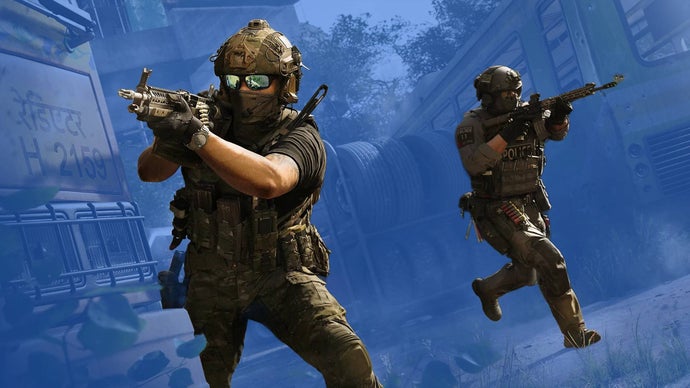
Early gameplay footage of Modern Warfare 4, shown via livestreams from Fanatics Fest NYC rather than a traditional Call of Duty: Next event, has reignited long-running debate among fans over the series' fast-paced movement mechanics. The footage showcased the new Kill Block mode, which builds ever-changing arenas from classic Modern Warfare map fragments, but attention quickly turned to clips showing exaggerated jumps and slides, prompting fierce discussion on Reddit about whether Call of Duty has strayed too far from its roots.
Developer Infinity Ward clarified that one widely shared clip showing unusually long chained slides was a visual bug from the Kill Block alpha build, tied to a "slide cancel" animation, and will be fixed before the beta. The broader movement debate traces back to the 2019 Modern Warfare reboot, which introduced tactical sprint and slide-cancelling mechanics that have since been amplified across subsequent titles, splitting the community between those who enjoy the fluid, fast-paced style and those calling it "cracked" and exhausting. Some fans have pointed to Black Ops 7's popular Classic mode, a slower-paced limited-time playlist later made permanent, as a possible compromise Infinity Ward could adopt for Modern Warfare 4.
In short
- MW4 gameplay leaked via Fanatics Fest livestreams, not an official Next event.
- Clips of exaggerated sliding/jumping reignited debate over COD's movement speed.
- Infinity Ward says one clip was a bug; fans suggest reviving Black Ops 7's Classic mode.
Steelman: both sides, in good faith
The strongest fair case each way — we don't pick a winner.
The case for
Supporters of fast-paced movement mechanics argue that tactical sprint, slide-cancelling, and chained movement create a higher skill ceiling that rewards mechanical mastery and competitive play. They contend that fluid, dynamic movement keeps the game fresh and engaging, offering experienced players an expressive toolkit that defines modern competitive Call of Duty and distinguishes it from slower, more stationary shooters.
The case against
Critics advocate for slower, more grounded movement, arguing that the franchise has drifted from its core identity as an accessible military shooter that rewards map awareness and tactical positioning. They contend that exaggerated movement mechanics exhaust casual players and create an intimidating barrier to entry, and point to the success of Black Ops 7's Classic mode as evidence that a substantial playerbase values deliberate, positioning-based gameplay over mechanical execution.
Explained simply
Call of Duty is a long-running series of military-themed first-person shooters where players compete against each other in various game modes. The mechanics that govern how characters move around the map—how quickly they can sprint, jump and slide—have a significant impact on how the game feels and plays. These movement systems have become increasingly fast and fluid over recent years.
Since 2019, Call of Duty games have featured faster, more acrobatic movement mechanics that allow players to chain together jumps and slides in rapid succession. This shift has divided the fanbase between those who enjoy the speed and fluidity of this style and those who feel it has gone too far, preferring a slower, more grounded pace of play. The debate has intensified with each new instalment in the series.
Some players have suggested that developers should offer both options to suit different preferences. A recent Call of Duty title included a Classic mode with slower movement mechanics as a limited playlist, which proved popular enough with players to become permanent. This approach could offer a path to satisfying both camps of the community.
Art Call of Duty Culture Entertainment Gaming