Technology news and discussion on TalkFuse.
In the wake of Stadium’s death, Overwatch’s Quick Play Hacked weekend makes me hope 6v6 returns permanently
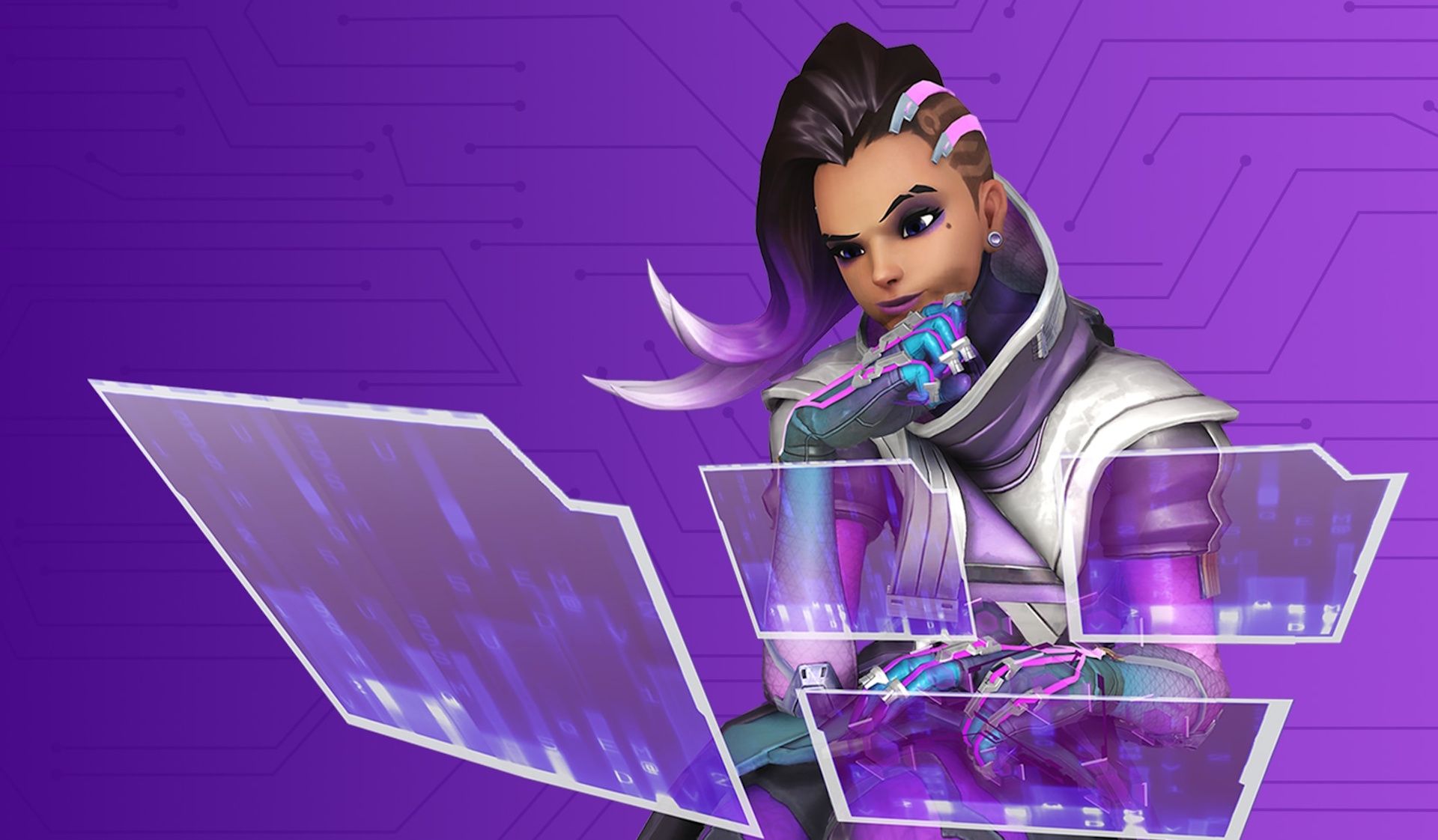
An Overwatch writer argues that a limited-time "Quick Play Hacked: 1-3-2" test weekend, which temporarily restored 6v6 team play with a flexible third slot for either a second tank or extra damage hero, produced some of the best matches they've experienced, prompting hope that Blizzard makes the format permanent. The piece comes as Blizzard's Stadium mode is being retired, and argues the six-player format allowed heroes to fulfil specialised roles more effectively than the current 5v5 system, which Blizzard originally introduced to speed up and sharpen matches.
The writer contrasts the new format favourably with chaotic 6v6 "open queue" play, since two of the six slots remain locked to support heroes while the third is a flexible tank-or-damage pick. Examples cited include tanks like Zarya and Sigma being freed to play more supportively or aggressively without being instantly overwhelmed, and choke points becoming less rigid as teams could swap the flexible slot to break stalemates. Game director Aaron Keller is referenced as having said sub-role passives currently underdeliver, which the writer suggests this format could help address.
In short
- Blizzard trialled a 6v6 "1-3-2" Quick Play Hacked mode over the weekend.
- Writer found matches more dynamic and role-friendly than standard 5v5.
- Comes as Overwatch's Stadium mode is being discontinued.
Steelman: both sides, in good faith
The strongest fair case each way — we don't pick a winner.
The case for
The 6v6 format with locked support slots and a flexible tank-or-damage third choice offers meaningful tactical flexibility whilst preserving role clarity. This allows specialised heroes like Zarya and Sigma to fulfil their intended gameplay patterns without being instantly overwhelmed, prevents rigid choke point stalemates by enabling mid-match role swaps, and gives substance to sub-role passives that currently underdeliver. Players reported experiencing some of the best matches available, suggesting this format better serves both competitive depth and hero fantasy than the current rigid 5v5 structure.
The case against
Blizzard deliberately shifted to 5v5 to achieve faster, more decisive matches and shorter queue times—design goals that adding a sixth player fundamentally undermines. The flexible third slot introduces complex balancing scenarios that could prove difficult to manage consistently, and many players value the streamlined clarity of fixed roles and the sharper pacing that 5v5 delivers. Reverting would represent a significant ongoing commitment to balance two parallel systems simultaneously, diverting resources from other development priorities.
Explained simply
Overwatch is a team-based multiplayer shooter where players select heroes with unique abilities and cooperate to complete objectives. The game was originally built around 6v6 teams, but Blizzard switched to a 5v5 format a few years ago to make matches faster and more competitive.
A recent test weekend introduced "Quick Play Hacked: 1-3-2", a temporary mode that reinstated 6v6 gameplay with a structured approach. Two support slots remained fixed, one slot could be filled by either a tank or damage-dealing hero, and three slots had predetermined roles, creating a middle ground between rigid team compositions and the anything-goes "open queue" 6v6 format.
The test has become part of an ongoing conversation about the best team format for the game. As Blizzard makes changes like retiring Stadium, questions about which composition works best remain relevant to players and developers alike.
Cybersecurity Research Science Technology