Technology news and discussion on TalkFuse.
The pros and cons of using your phone as a mobile hotspot
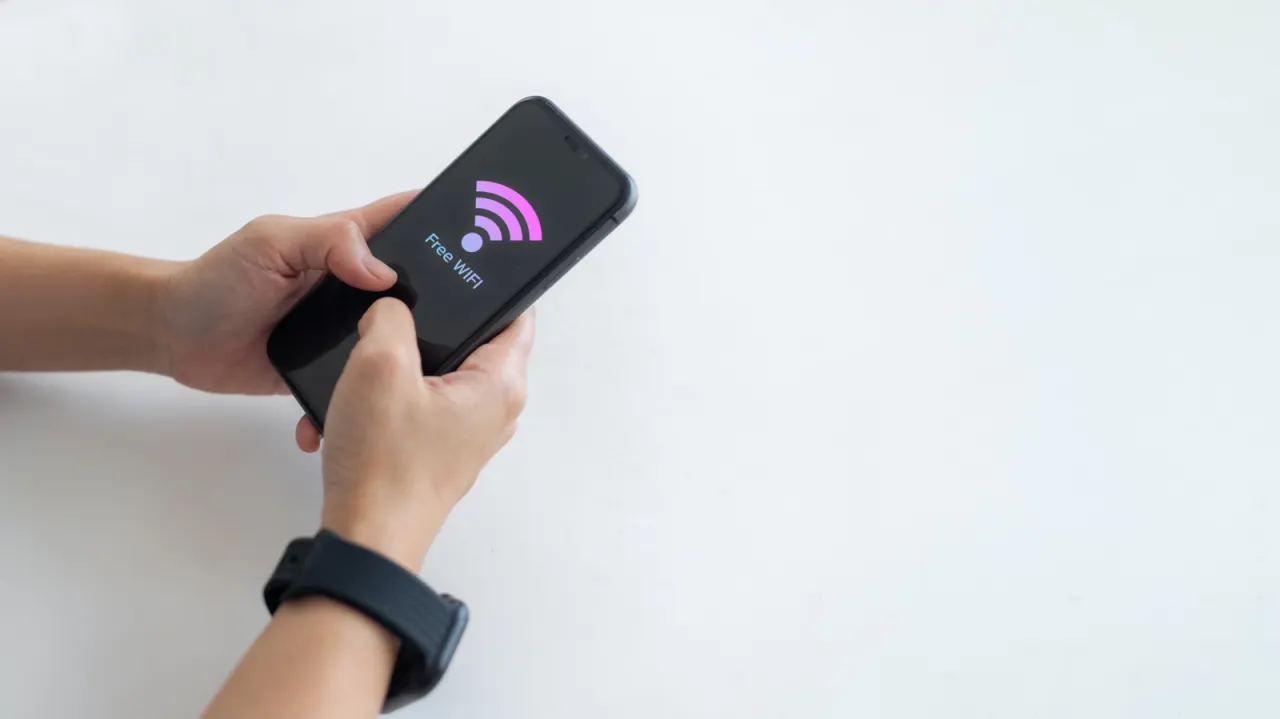
Using a phone as a mobile hotspot lets people connect laptops, tablets and other devices to the internet through cellular data, offering a convenient alternative to public Wi-Fi. It can be useful for travel or occasional remote work, but its practicality depends on battery life, mobile data limits and how many devices need to connect.
The feature is called Personal Hotspot on iPhones and is generally found under Hotspot & Tethering on Android phones. It avoids the cost and hassle of carrying a separate hotspot device and gives users control over access, provided they use a strong password and WPA2 or WPA3 encryption. Hotspot use drains battery, may incur extra charges or slower speeds if data limits are reached, and performance can fall as more devices share the connection.
In short
- A phone hotspot is a handy way to connect devices on the go.
- It can drain your battery and use up mobile data quickly.
- Use a strong password to keep your connection secure.
Steelman: both sides, in good faith
The strongest fair case each way — we don't pick a winner.
The case for
Using a phone as a hotspot is a convenient, low-cost way to get other devices online, especially while travelling or working away from home. It avoids carrying extra equipment, can be more secure than public Wi-Fi when properly protected, and suits people who need a connection only occasionally.
The case against
A phone hotspot may be unreliable or costly for regular or heavy use: it can drain the phone’s battery, slow down as more devices connect, and use data that is capped or subject to extra charges. A dedicated connection may be more practical for people who need sustained speeds, connect several devices, or depend on internet access throughout the day.
Explained simply
A mobile hotspot lets a phone share its mobile internet connection with nearby devices, such as a laptop or tablet. The phone uses the same mobile network it relies on for calls and internet access, while other devices connect to it over Wi-Fi.
This can be useful when travelling or working away from home, especially where public Wi-Fi is unavailable or unsuitable. It avoids carrying a separate hotspot device, but the connection uses the phone’s battery and mobile data allowance.
How well it works depends on the mobile signal, data plan and number of connected devices. A strong password helps control who can join, while using a hotspot may lead to extra charges or slower speeds if the plan’s data limit is reached.