Business news and discussion on TalkFuse.
Fox News Power Rankings: Voters say they’re in economic pain, but will Democrats gain?
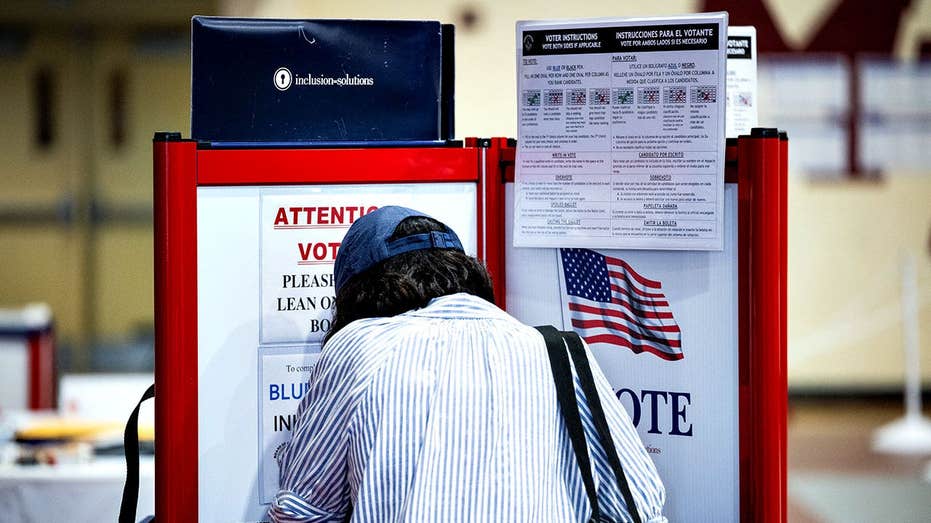
A Fox News "Power Rankings" analysis examines falling approval for President Trump's handling of the economy, with the cost of living now the dominant concern among American voters. The piece notes the parallel with Trump's 2024 campaign, when he promised to "make America affordable again" and went on to sweep the swing states with improved results nationwide, suggesting economic sentiment could again prove decisive as the 2026 midterm elections approach.
The article draws on commentary from Fox News contributor Karl Rove and former Clinton pollster Mark Penn, who discuss how rising petrol prices and inflation are shaping voter attitudes ahead of the midterms. Penn reportedly observes that Democratic Party rhetoric has shifted further to the left, a factor being weighed alongside economic discontent as analysts assess whether voter frustration will translate into gains for Democrats.
In short
- Trump's economic approval is declining as living costs dominate voter concerns.
- Analysts compare this to Trump's 2024 affordability-focused campaign success.
- Question remains whether economic pain will benefit Democrats in 2026 midterms.
Steelman: both sides, in good faith
The strongest fair case each way — we don't pick a winner.
The case for
Voters typically vote against the party holding the presidency when experiencing economic hardship, and with Republicans now in power, economic pain centred on cost of living and inflation will likely benefit Democrats in 2026. Trump demonstrated in 2024 that credible economic messaging and promised solutions can overcome voter concerns; if conditions persist or worsen, voters may become more receptive to change in leadership. Historical precedent strongly suggests incumbent parties lose ground in midterms when voters perceive their economic situation as declining.
The case against
Economic messaging transcends simple blame attribution for current conditions; Trump proved in 2024 that a credible forward-looking narrative can overcome cost-of-living concerns. Democrats face additional headwinds as their policy positioning has shifted leftward, potentially conflicting with voters' primary concern of affordability rather than progressive causes. The decisive question is not whether voters are hurting but whether they trust each party's proposed remedies, and Republicans can argue that Democratic policies contributed to inflation whilst their approach addresses underlying causes—a narrative that persuaded voters less than two years ago.
Explained simply
The 2026 US mid-term elections are approaching amid widespread voter concern about the economy. Inflation and rising costs for essentials like petrol and food have become dominant issues for American households, with many voters reporting financial strain. These economic concerns have historically influenced election results and could prove significant this time.
President Trump won the 2024 elections after campaigning on economic promises, pledging to reduce costs and make goods more affordable. Now, as these mid-term elections draw closer, the state of the economy remains a critical factor that will likely influence how voters cast their ballots. The question of whether economic conditions have improved or worsened under his presidency will feature prominently in voters' minds.
Mid-term elections typically serve as a gauge of public satisfaction with the sitting president's performance. How voters assess the government's handling of inflation and living costs will be crucial to whether either major party gains or loses ground in Congress.
Business Economy Elections Politics World