Culture news and discussion on TalkFuse.
Cuba built covert network inside America through spies, activists and universities, State Dept alleges
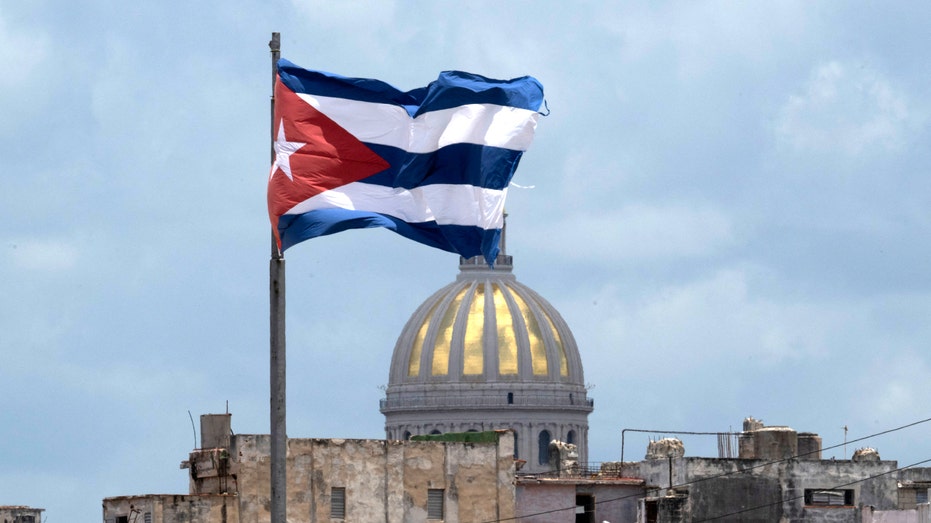
The US State Department has published a report accusing the Cuban government of running a decades-long covert campaign to infiltrate American institutions through espionage, ideological influence and support for far-left activist networks. The report alleges Havana has cultivated agents and sympathisers within US universities, activist movements and even senior levels of government, using them to shape political discourse and foment unrest, marking a rare public airing of long-running US intelligence concerns about Cuban influence operations.
Spokesperson Tommy Piggott said the department is committed to protecting Americans from this threat, describing how the Cuban regime has allegedly backed far-left extremist groups in the United States that have organised protests and, at times, violent activity. The report reportedly documents infiltration efforts reaching into senior echelons of the US government, though the article provides limited specifics on named individuals, dates or the precise scope of the alleged network.
In short
- State Department alleges Cuba ran a covert US infiltration campaign for decades
- Report claims Cuban links to spies, activists and universities
- Alleges support for far-left groups and government infiltration
Steelman: both sides, in good faith
The strongest fair case each way — we don't pick a winner.
The case for
Cuba's documented history of espionage operations targeting the United States, combined with its status as a strategic adversary, makes monitoring for ongoing covert influence activities a legitimate national security concern. Public disclosure of such threats, even without comprehensive operational details that intelligence officials must protect, helps American institutions recognise and defend themselves against foreign interference, consistent with how democracies address hostile state activities.
The case against
The report's absence of concrete specifics—named agents, operational dates, verifiable scope—makes independent assessment impossible and mirrors historical patterns of overstating Cuban influence to justify Cold War policies. The allegations blur distinctions between espionage and legitimate political activism by sympathisers, and broader context suggests scrutiny is warranted: the US maintains its own extensive covert operations globally, raising questions about consistency and whether such claims serve geopolitical positioning rather than genuine security assessment.
Explained simply
The United States and Cuba have been adversaries since the Cold War, with relations remaining hostile despite some brief periods of diplomatic engagement. This antagonism has historically involved both countries accusing the other of espionage and attempts to destabilise their governments.
Cuba stands accused of operating a long-running campaign to place sympathetic agents and recruit supporters within American universities, activist movements and government institutions. Such infiltration efforts would aim to gather intelligence, influence political decision-making and shape public discourse in ways favourable to Havana's interests.
Allegations of foreign governmental influence inside American institutions raise fundamental security concerns and questions about democratic integrity. Understanding how other nations might attempt to penetrate sensitive American institutions and influence politics from within is important for assessing national vulnerability.