Trump just expanded his tariff playbook with a powerful trade weapon no president has ever used
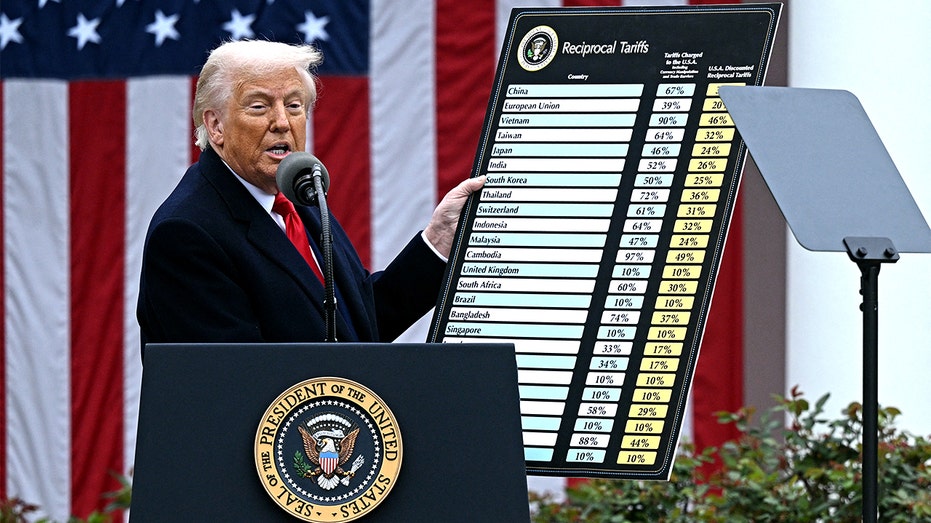
President Donald Trump has imposed 50% tariffs on a range of Canadian goods by invoking Section 338 of the Tariff Act of 1930, a provision that has never previously been used by any US president. The move marks an expansion of Trump's approach to trade policy, giving him a broad and largely untested legal tool that could set a precedent for how future administrations wage trade disputes.
Section 338, dating back nearly a century, grants the president wide-ranging authority to impose duties on imports, and its use against Canada signals a more aggressive phase in the ongoing tariff dispute between the two neighbouring economies. Analysts have warned that shifting and unpredictable tariff policies are creating "economic chaos" and discouraging business investment, even though the deep trade ties between the US and Canada make a complete rupture unlikely.
In short
- Trump imposes 50% tariffs on Canada using a never-before-used legal power.
- Section 338 of the 1930 Tariff Act grants the president broad tariff authority.
- Experts warn unpredictable tariff policy is deterring business investment.
Steelman: both sides, in good faith
The strongest fair case each way — we don't pick a winner.
The case for
Supporters argue that strategic tariffs are a legitimate presidential tool authorised by existing law to rebalance trade relationships and protect domestic industries from what they view as unfair practices. They contend that decades of trade deficits justify firm action, and that the deep integration with Canada actually makes targeted tariffs a more calibrated approach than broader economic isolation. Advocates maintain that trade agreements have inadequately protected American workers and manufacturing, making this recalibration necessary despite short-term disruption.
The case against
Critics argue that broad tariffs impose economic costs exceeding potential benefits, raising prices for consumers and businesses whilst deterring investment through policy unpredictability. They contend that with Canada—a close ally sharing an integrated supply chain—tariffs damage both economies without addressing underlying trade issues, and that invoking rarely-used legal provisions raises concerns about executive overreach. Economists warn that retaliation from trading partners will harm export-dependent American sectors, undermining the policy's stated objectives.
Explained simply
Tariffs are taxes that governments place on imported goods, typically to protect domestic industries or gain leverage in trade disputes. The United States and Canada have deeply interconnected economies with substantial trade between them. Trade tensions between the two countries have intensified in recent months over various goods and policies.
Section 338 of the Tariff Act of 1930 is a provision that grants the US president broad authority to impose duties on imports. No previous president has invoked this particular law, making its use a significant expansion of the legal tools available for trade policy. The statute has remained largely unused since its creation nearly a century ago.
The use of this previously untested legal authority has raised concerns among economists and business leaders about unpredictability in trade policy. When companies cannot reliably plan their costs due to shifting tariffs, they tend to delay investment and hiring decisions, creating economic uncertainty. However, the extensive interconnections between US and Canadian economies make a complete breakdown in trade relations unlikely.