UK’s Burnham names Trump critic Ed Miliband foreign secretary; ex-Thatcher aide brands pick ‘disastrous’
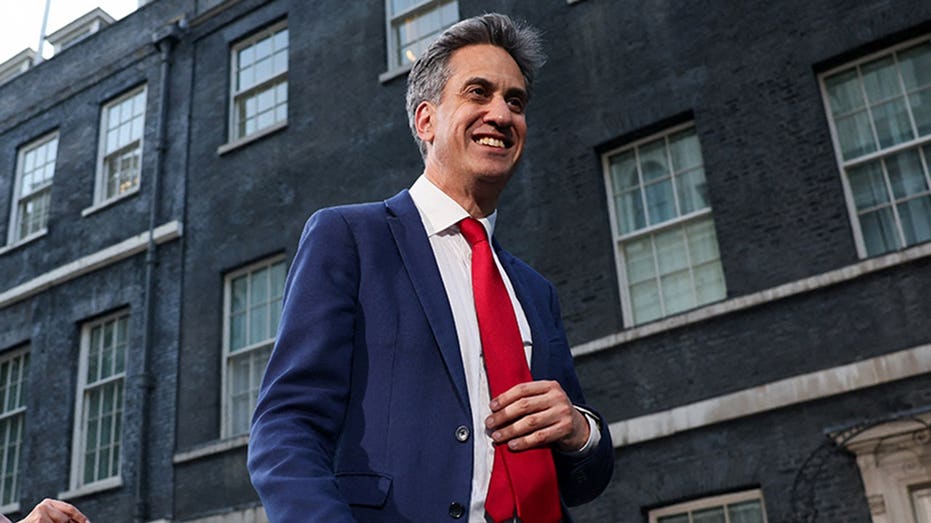
New UK Prime Minister Andy Burnham has appointed Ed Miliband, a vocal critic of Donald Trump, as foreign secretary, prompting sharp criticism from allies of the US president. The move has raised concerns in Washington and among British conservatives about the future of the UK-US "special relationship", given Miliband's history of clashing with Trump's positions, particularly on climate policy.
Nile Gardiner, a former adviser to Margaret Thatcher, branded the appointment "disastrous", warning that Burnham's broader left-wing agenda risks steering Britain back towards the economic decline of the 1970s and undoing Thatcher's legacy. Burnham took office after Sir Keir Starmer stepped down as prime minister, and has signalled a break from Thatcher-era policy along with a call for a "new political model", fuelling expectations of a more strained relationship with the Trump administration.
In short
- Andy Burnham names Ed Miliband as UK foreign secretary
- Trump allies and ex-Thatcher aide criticise the appointment
- Move seen as risking strain on the UK-US special relationship
Steelman: both sides, in good faith
The strongest fair case each way — we don't pick a winner.
The case for
A government should appoint the most qualified officials to serve national interests without subordinating appointments to the preferences of other nations. The foreign secretary's role is to advance British values and interests, and having principled disagreements with a foreign leader on matters like climate policy is a legitimate part of diplomacy. Maintaining British sovereignty and independence in foreign affairs actually strengthens rather than weakens important relationships.
The case against
The United States remains Britain's most important ally, and effective foreign policy requires maintaining productive working relationships with major powers. Appointing a prominent Trump critic to the top diplomatic role risks unnecessarily straining this crucial partnership when British interests—from NATO to trade to security—depend on close US engagement. Governments have a responsibility to consider practical consequences for their citizens, and symbolically antagonising a key ally's leadership is poor statecraft.
Explained simply
The foreign secretary is the UK minister responsible for relations with other countries and represents the government abroad. The role is central to how Britain works with allies, including the United States.
The UK and US often describe their close partnership as the “special relationship”, built on long-standing political, security and economic ties. Their governments can still disagree, including over climate policy, which has been a point of difference between Ed Miliband and Donald Trump.
Andy Burnham became prime minister after Keir Starmer left office and has signalled a shift away from policies associated with Margaret Thatcher, the Conservative prime minister from 1979 to 1990. That change has prompted debate about Britain’s economic direction and how its approach may affect ties with Washington.
Entertainment Government Music Politics World