Culture news and discussion on TalkFuse.
Olivia Rodrigo Discusses Abortion Bans With Center For Reproductive Rights
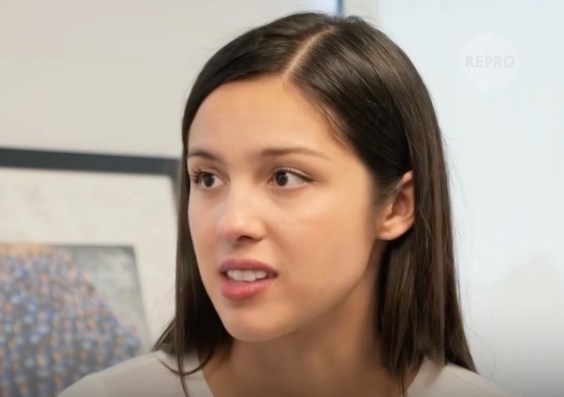
Olivia Rodrigo has appeared in a series of videos with the Center For Reproductive Rights, discussing the state of abortion access in America following the Supreme Court's overturning of Roe v Wade. The pop star, who has campaigned on reproductive rights since early in her career, used the platform of her latest album's release to draw attention to abortion restrictions, speaking alongside legal and policy experts from the advocacy organisation.
In the videos, Rodrigo spoke with Center CEO Nancy Northup and policy experts Autumn Katz, Meetra Mehdizadeh and Nimra Chowdhry about topics including the medical risks faced by pregnant women in states with abortion bans, restrictions on the FDA-approved abortion pill mifepristone, and Georgia's criminalisation of midwives. The Center For Reproductive Rights is one of several women's health organisations partnering with Rodrigo's upcoming Daisy Chain Fields festival, which is how the videos came to be posted across both organisations' social media accounts.
In short
- Olivia Rodrigo filmed videos with the Center For Reproductive Rights on US abortion bans
- Topics covered included mifepristone restrictions and Georgia's midwife criminalisation laws
- The group is a partner of Rodrigo's upcoming Daisy Chain Fields festival
Steelman: both sides, in good faith
The strongest fair case each way — we don't pick a winner.
The case for
This represents valuable public awareness-raising on an important issue. Rodrigo is using her platform responsibly to educate people about documented medical harms from abortion restrictions—genuine risks that pregnant women face, limitations on safe medications, and impacts on healthcare providers. The Centre for Reproductive Rights undertakes legitimate legal work, and bringing attention to how abortion restrictions affect women's actual health and access to care serves democratic discourse. When public understanding of these consequences is poor, such advocacy helps people comprehend the real-world impacts of these policies.
The case against
This advocacy presents one perspective on a debate with profound moral dimensions without substantively engaging the opposing view. Those who support abortion restrictions often do so because they believe human life begins at conception and deserves protection—a moral conviction about fetal rights fundamentally distinct from questions of medical policy. The Centre's framing emphasises women's health and autonomy but does not address the moral reasoning of those who prioritise protecting fetal life. Some also argue that celebrity activism on politically divisive issues, however well-intentioned, may polarise rather than bridge divides and may privilege entertainment figures over substantive expert discourse on complex moral questions.
Explained simply
Roe v Wade was a 1973 US Supreme Court ruling that protected a constitutional right to abortion. In 2022, the court overturned it, leaving individual states to set their own abortion laws; some states have since banned or sharply restricted the procedure.
The Center for Reproductive Rights is a US advocacy organisation that uses legal action and policy work to support access to reproductive healthcare. Its chief executive, Nancy Northup, and its policy experts work on issues including abortion laws and medication abortion, which uses pills such as mifepristone.
The resulting differences between state laws can affect what care pregnant people can obtain and what legal risks healthcare providers face. The debate also involves federal rules for medicines, including decisions by the Food and Drug Administration, the US regulator.