Entertainment news and discussion on TalkFuse.
Final Fantasy 7 Revelation director says “open-world fatigue” is real, and since “the world is even bigger than it was in Rebirth,” Square Enix specially focused on guiding players
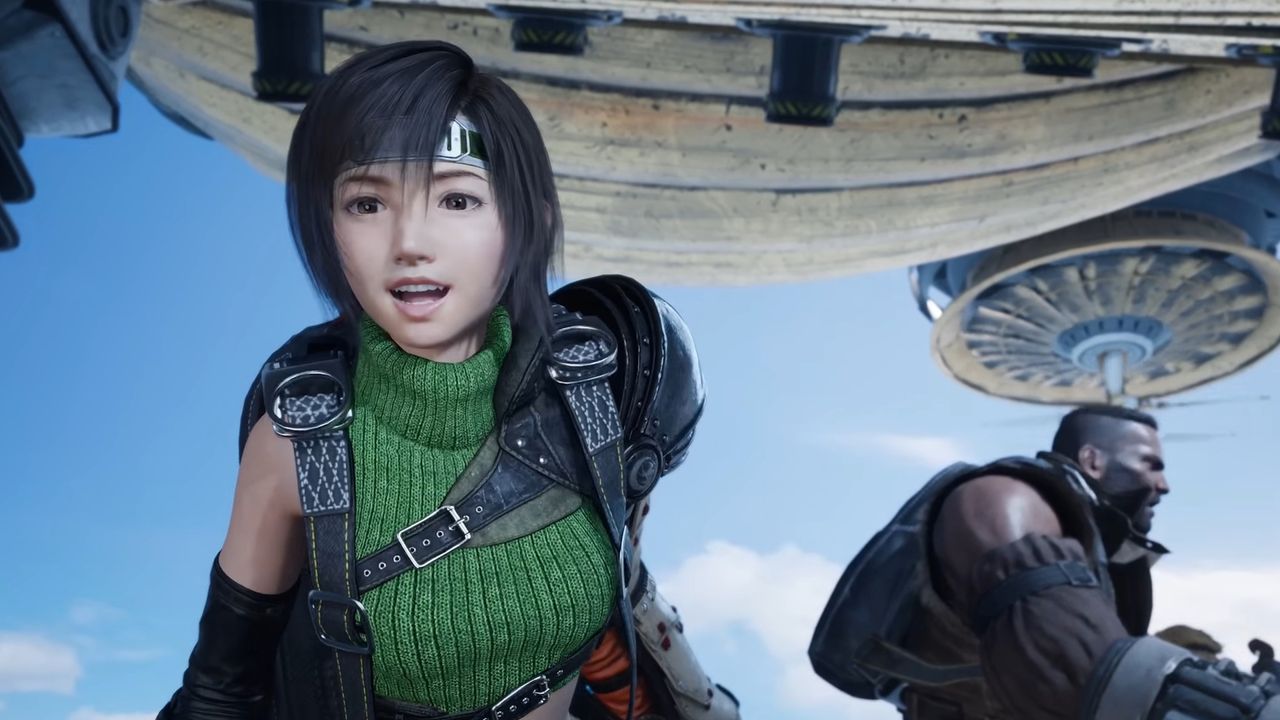
Final Fantasy 7 Revelation director Naoki Hamaguchi has acknowledged that players can experience “open-world fatigue”, saying Square Enix has made guidance a particular priority for the forthcoming game. The comment matters because Revelation’s world will be larger than that of Final Fantasy 7 Rebirth, increasing the risk that players may feel overwhelmed by its scale and optional activities.
Hamaguchi said the development team focused on helping players navigate the larger world rather than simply expanding it. Revelation is expected to conclude Square Enix’s Final Fantasy 7 remake trilogy, following Final Fantasy 7 Remake and 2024’s Final Fantasy 7 Rebirth; no specific release date or further gameplay details were given in the supplied text.
In short
- Revelation’s larger world is designed with stronger player guidance.
- Its director recognises open-world fatigue as a real concern.
- The game is expected to finish the remake trilogy.
Steelman: both sides, in good faith
The strongest fair case each way — we don't pick a winner.
The case for
Acknowledging open-world fatigue and prioritising guidance represents mature game design that respects player time and wellbeing. Modern open worlds have become overwhelming for many players, creating decision paralysis rather than genuine freedom through sheer volume of markers and objectives. By intentionally designing navigation and pacing into a larger world, Square Enix solves a legitimate problem that other studios routinely ignore, validating the experience of players who find sprawling games exhausting rather than engaging.
The case against
The concept of "open-world fatigue" may misdiagnose the real problem. Open worlds appeal fundamentally because they offer freedom and the thrill of authentic discovery without predetermined guidance constraining exploration. The issue is not scale itself but poorly designed filler content; players want meaningful activities, not fewer choices dressed up as helpful direction. Guidance systems, however well-intentioned, risk removing the sense of genuine agency that makes exploration rewarding, trading the genre's core appeal for perceived accessibility.
Explained simply
Final Fantasy 7 is a hugely influential video game first released in 1997. Over the past six years, Square Enix has been remaking the game for modern consoles, releasing it as a trilogy with the final instalment, Final Fantasy 7 Revelation, arriving soon.
Open-world video games feature large environments that players can explore freely, typically filled with optional activities and side quests. "Open-world fatigue" describes the overwhelm some players experience when confronted with abundant optional content and vast spaces to explore.
Final Fantasy 7 Revelation's world will be larger than that of the previous instalment, making the question of managing its scale more pressing. This is relevant because player experience depends not just on world size but on how developers guide and structure that experience.