Kevin Feige counters rushed Doctor Doom criticism by saying Thanos also had minimal MCU build up before Avengers: Infinity War
Developed over time first seen 3 months ago
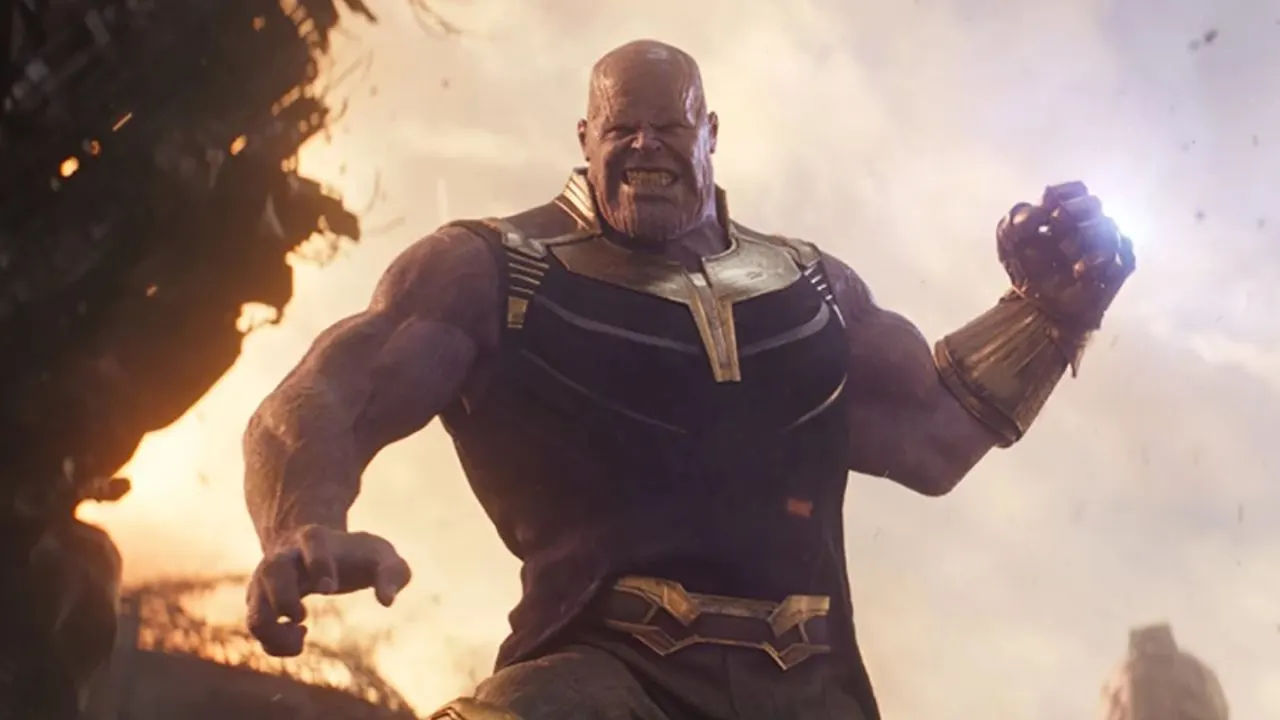
Kevin Feige has responded to complaints about Doctor Doom's rapid introduction in Avengers: Doomsday by drawing a parallel to Thanos's limited presence before Infinity War. During an interview at San Diego Comic-Con, the Marvel Studios president pointed out that Thanos's early MCU appearances were remarkably sparse: a cameo sitting in a chair following Guardians of the Galaxy, a brief scene putting on a gauntlet with his declaration to act independently, and a short video screen appearance where he confronts Ronan. Feige notes that Thanos even became the subject of internet mockery for his minimal visibility before his major film debut.
Feige maintains that both villains follow a similar strategic approach, with their full introduction and character development occurring primarily within their first substantial film appearance. He suggests that Infinity War functioned as the actual introduction of Thanos to audiences rather than relying on accumulated prior appearances. However, observers have noted that despite Feige's comparison, Thanos benefited significantly from careful storytelling involving the Infinity Stones and personal character connections through figures like Gamora and Drax, elements that some feel may be less developed in Doom's introduction.
- Sources
- 2
- Outlets
- 1
- Left · Centre · Right
- 0 · 0 · 0
In short
- Kevin Feige defends Doctor Doom's quick introduction by comparing it to Thanos's minimal pre-Infinity War build-up
- Feige argues both villains receive proper development in their debut films rather than through extended prior appearances
- Critics note Thanos actually benefited from careful storytelling across multiple films, unlike Doom's introduction
How this story developed
- 3 months ago Kevin Feige has responded to complaints about Doctor Doom's rapid introduction in Avengers: Doomsday by drawing a parallel to Thanos's limited presence before Infinity War.
Steelman: both sides, in good faith
The strongest fair case each way — we don't pick a winner.
The case for
Feige's position is that Thanos demonstrates audiences will accept a major villain's limited prior visibility if the character delivers compelling storytelling upon their substantial arrival. Infinity War functioned as Thanos's genuine introduction, and audiences embraced him despite minimal scattered appearances beforehand. If Doctor Doom receives similarly strong characterisation and development in his primary film appearance, Marvel's approach should succeed without requiring years of preliminary build-up.
The case against
Critics reasonably distinguish between Thanos's sparse appearances and Doom's by noting that Thanos benefited from extensive supporting infrastructure: years of Infinity Stone world-building across multiple films, and meaningful personal relationships established through developed characters like Gamora and Drax who grounded his threat narratively. Feige's comparison overlooks this crucial contextual scaffolding. Doom's rushed introduction may lack equivalent narrative support, making the cases substantively different regardless of both villains having limited prior screen time.
Explained simply
The Marvel Cinematic Universe is a series of interconnected films and television shows where character arcs often develop across multiple projects before reaching major moments. A recent point of discussion has been how quickly certain major villains are introduced within this structure, with some fans expressing concern that Doctor Doom's character development feels rushed compared to the lengthy build-up they expected.
Similar debates emerged years earlier regarding Thanos, a major MCU villain who made only brief appearances across various earlier films before becoming the primary antagonist in Avengers: Infinity War. His early screen time was sparse: a few scattered moments in different projects rather than an extended introduction to his character.
The discussion reflects broader questions about how superhero film franchises should introduce their antagonists, and whether characters need substantial prior development to feel compelling and three-dimensional to audiences. The approach Marvel Studios takes to establishing its villains shapes how viewers connect with and understand the motivations driving the main storylines.