All senators invited to Zelensky meeting as Congress weighs Russia sanctions bill
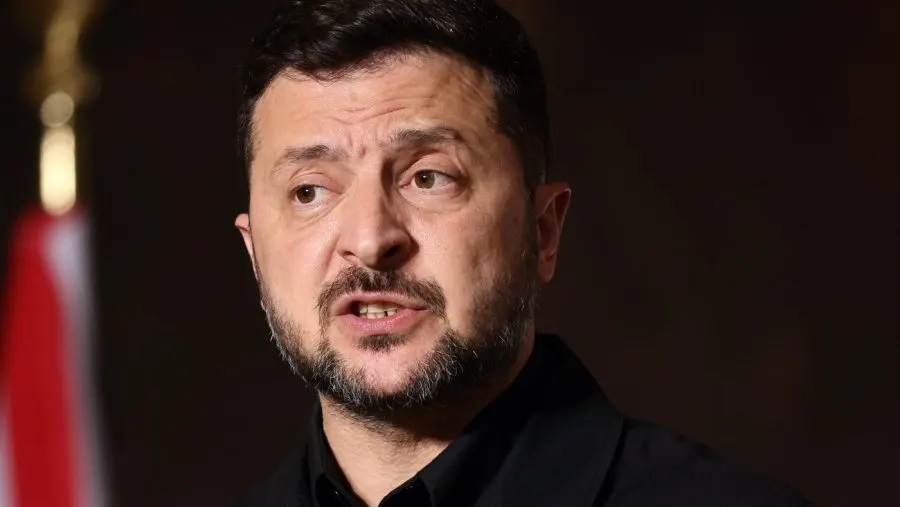
All 100 US senators have been invited to meet Ukrainian President Volodymyr Zelenskyy during his Washington visit, as the Senate considers moving forward with a bipartisan Russia sanctions bill. The meeting and potential vote could signal renewed congressional pressure on Moscow and support for Ukraine amid efforts to end the war.
Zelenskyy is expected to be in Washington for the funeral of the late Senator Lindsey Graham, who championed the sanctions legislation. The bill has support from more than 60 senators and would expand penalties against Russia and entities supporting its war effort, including measures affecting buyers of Russian energy.
- Senators are invited to meet Zelenskyy in Washington.
- The Senate may soon vote on Russia sanctions.
- The bill has broad bipartisan support.
New here? Start with this
Russia invaded Ukraine in 2022, and the war continues with significant casualties. The United States has been a major military and diplomatic supporter of Ukraine. Sanctions—economic penalties imposed on countries, companies or individuals—are a key tool Western nations use to pressure Russia without direct military confrontation.
Sanctions restrict trade, freeze assets or limit access to essential goods and technology. The US Congress regularly debates new or strengthened sanctions against Russia to increase the costs of its war effort. A bipartisan bill indicates support from both major political parties, which is meaningful in today's divided Congress and suggests broad agreement on an issue.
Ukrainian President Volodymyr Zelensky has emerged as a prominent world leader seeking international support for his country. How Congress responds to Russia sanctions proposals matters greatly to Ukraine and its allies, as it demonstrates American willingness to maintain pressure on Moscow during the conflict.
Both sides, in good faith
The strongest fair case each way — we don't pick a winner.
The case for
Supporters of the sanctions bill argue that expanding penalties on Russia is essential to impose meaningful consequences for its invasion, signal unwavering Western resolve without military escalation, and pressure Moscow toward negotiation from an economically weakened position. The significant bipartisan backing—over 60 senators—reflects mainstream judgment that serious economic pressure is necessary to deter aggression and preserve the international order.
The case against
Those sceptical contend that sanctions have historically proven limited in changing state behaviour and risk prolonging conflict by eliminating incentives for negotiated settlement. They are concerned that expanded energy sanctions will significantly increase global costs, harm consumers and allies, and argue the United States should prioritise domestic needs rather than sustain indefinite commitments without clear strategic objectives or defined end conditions.