Embattled Myer suffers biggest sales setback in almost a decade – as boss blames cost-of-living squeeze for slump
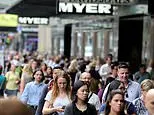
Australian department store chain Myer has reported its steepest sales decline in nearly a decade, with chief executive Olivia Wirth pointing to the squeeze of cost-of-living pressures on shoppers as the main cause. The downturn marks a significant setback for the retailer, which has been working to stabilise its business following years of restructuring, store closures and heightened competition from online and discount rivals.
Wirth said persistently high living costs, including elevated rents, energy bills and grocery prices, have left Australian consumers with less disposable income to spend on discretionary items such as clothing and homewares. The scale of the sales slump is being described as the worst Myer has experienced in around ten years, raising fresh questions about the retailer's turnaround strategy and its ability to compete in a tightening consumer environment.
In short
- Myer posts its worst sales slump in almost ten years.
- CEO blames cost-of-living pressures for weaker consumer spending.
- Downturn raises doubts over Myer's ongoing turnaround efforts.
Steelman: both sides, in good faith
The strongest fair case each way — we don't pick a winner.
The case for
Those sympathetic to Myer's explanation argue that the retailer is genuinely at the mercy of forces beyond its control: sustained increases in rent, energy and grocery costs have squeezed household budgets across Australia, leaving less money for discretionary purchases like clothing and homewares. They point out that department stores selling non-essential goods are typically the first casualties of a cost-of-living squeeze, and that blaming macroeconomic conditions rather than management is a fair and evidence-based reading of a broad, sector-wide slowdown in consumer spending.
The case against
Sceptics of this framing argue that attributing the slump primarily to cost-of-living pressures lets Myer's leadership off the hook for deeper, company-specific failures, including years of store closures, an unclear brand identity, and a persistent inability to compete effectively with nimbler online and discount retailers. They would contend that if the pressures were purely macroeconomic, rivals would be suffering comparably, and that the scale of Myer's decline, the worst in almost a decade, points to a turnaround strategy that has not delivered, with external conditions offering a convenient explanation rather than the full picture.
Explained simply
Myer is a major Australian department store chain that has faced significant challenges in recent years. The retailer has undergone restructuring and closed stores as it battles competition from online retailers and discount stores.
The company has now reported its steepest sales decline in nearly a decade, with chief executive Olivia Wirth blaming the ongoing cost-of-living squeeze. Rising rents, energy bills and grocery prices have left Australian consumers with less money to spend on non-essential items such as clothing and homewares.
The magnitude of this downturn is significant because Myer has been attempting a turnaround for years. Poor sales figures raise questions about whether the retailer's strategy is working and whether it can survive in an increasingly challenging retail environment where consumers are spending less and shopping online instead.