Chinese company reportedly building its own DUV chipmaking machines, and that’s a really big deal
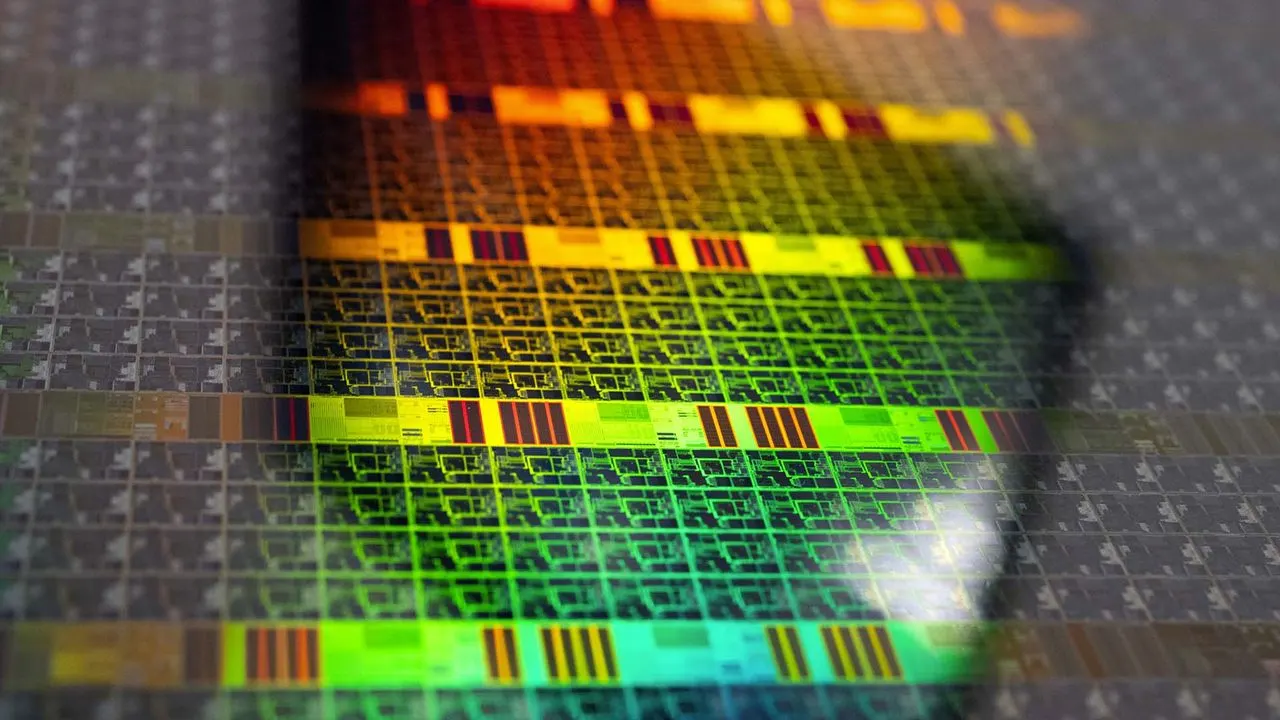
A Chinese state-backed company has begun mass-producing deep ultraviolet lithography machines for domestic use, marking a step toward self-sufficiency in semiconductor manufacturing equipment. DUV machines, though older technology than extreme ultraviolet alternatives, remain widely used in modern chip production. The firm intends to deliver units to major Chinese chipmakers including CXMT, Hua Hong Semiconductor, and SMIC this year, directly challenging the market dominance held by Dutch manufacturer ASML.
These initial Chinese machines currently lag behind existing competitors in performance and reliability, limiting their capacity to fully replace foreign equipment. The milestone arrives as the US Congress has proposed measures to restrict sales and servicing of DUV machines to China, reflecting broader geopolitical competition over semiconductor supply chains and technological capabilities between the nations.
In short
- Chinese state-backed company begins manufacturing deep ultraviolet (DUV) chipmaking machines domestically, planning deliveries to major Chinese semiconductors firms this year
- New machines underperform ASML's established standards in performance and reliability, but directly compete in a previously Western-dominated market
- Development occurs amid proposed US Congressional restrictions on exporting and servicing DUV equipment to China
Steelman: both sides, in good faith
The strongest fair case each way — we don't pick a winner.
The case for
Supporters of China's industrial development argue that every nation has legitimate interests in technological self-sufficiency and should not remain permanently dependent on foreign suppliers for critical capabilities. They contend that newcomers to a market typically close performance gaps over time, and that restricting access to mature technology merely entrenches dependency rather than addressing substantive security issues. In their view, this represents normal competitive progress that benefits the global market.
The case against
Those who view this development with concern argue that export controls on semiconductor equipment serve important strategic purposes by limiting capabilities that enable advanced military and intelligence systems. They maintain that DUV technology, whilst established, remains capable enough for military applications, and that effective controls require sustained international coordination among suppliers. From this standpoint, surrendering the leverage that technological dependencies currently provide risks compromising the tools available to constrain potential security threats from strategic rivals.
Explained simply
Deep ultraviolet machines, or DUV lithography equipment, are specialised industrial machines used to manufacture computer chips. They use ultraviolet light to etch intricate patterns onto silicon, a fundamental step in creating the semiconductors that power smartphones, computers, data centres and countless other devices. Though newer technology exists, DUV machines remain essential to global chip production.
For decades, the Dutch company ASML has been the dominant supplier of these machines worldwide, with few competitors able to match its technology and quality. This dominance gives ASML significant control over who can access the equipment needed for semiconductor manufacturing, a position with implications for global economic power.
China has long sought to develop its own semiconductor manufacturing capabilities, both for economic independence and because chip production is considered strategically important in modern economies. Consequently, the development of a homegrown DUV machine producer matters because it fits into a broader competition between China and Western nations over control of semiconductor technology.
Americas Asia Business Companies