Shigeru Miyamoto knows some fans have “multiple Nintendo consoles at home,” and hopes that’ll become “the norm” in the future: “That would be the best scenario”
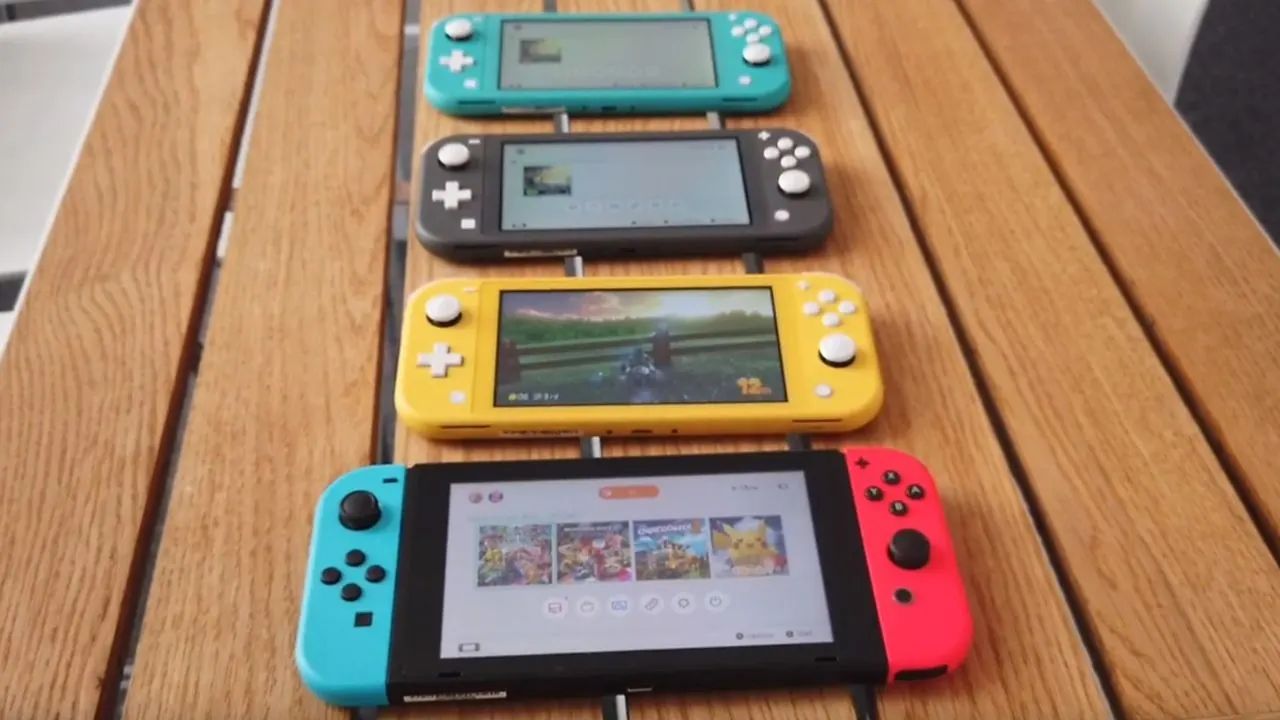
Nintendo's veteran designer Shigeru Miyamoto has said he is aware that some fans own several Nintendo consoles simultaneously, and expressed hope that this becomes standard practice rather than the exception. He framed owning multiple devices, such as a home console alongside a handheld or the Switch and Switch 2, as the ideal outcome for both players and the company, since it reflects deep engagement with Nintendo's ecosystem rather than fans replacing one system with another.
Miyamoto's comments touch on how Nintendo positions its hardware lineup, with devices like the Switch 2 designed to complement rather than simply replace earlier consoles. Rather than viewing multiple ownership as an unnecessary luxury, he described it as "the best scenario," suggesting Nintendo sees value in fans maintaining and using several of its platforms at once, reinforcing loyalty and long-term engagement with the brand.
In short
- Miyamoto hopes owning multiple Nintendo consoles becomes the norm
- He called multi-console ownership "the best scenario" for fans
- Comments reflect Nintendo's approach to hardware coexisting, not replacing
Steelman: both sides, in good faith
The strongest fair case each way — we don't pick a winner.
The case for
Different Nintendo devices genuinely serve distinct purposes; a handheld Switch and a home console offer fundamentally different experiences that appeal to players with varied needs and lifestyles. Miyamoto's framing reflects that engaged fans naturally gravitate toward multiple purchases to access Nintendo's full ecosystem, which the company can then sustain with continued innovation across form factors. Rather than coercion, this represents consumer choice rewarded by a company that offers genuine value across its portfolio. The ecosystem model also incentivises long-term investment in Nintendo platforms over periodic replacements, potentially benefiting both loyal players and the company's ability to innovate.
The case against
Explicitly positioning multiple console ownership as the ideal outcome raises legitimate concerns that Nintendo is encouraging unnecessary consumption driven by corporate profit rather than consumer benefit. Not all players can afford or genuinely require multiple expensive devices; a single powerful system offering comprehensive functionality would be more economical, accessible, and environmentally responsible. This framing risks creating a tiered gaming culture where true engagement is measured by purchasing power, potentially excluding lower-income consumers and those with genuine constraints. It also suggests Nintendo prioritises ecosystem lock-in over designing each console with compelling standalone value that justifies its existence on its own merits.
Explained simply
Shigeru Miyamoto is one of Nintendo's most respected designers, responsible for creating game franchises such as Super Mario and The Legend of Zelda. His remarks on the company's strategy carry significant weight within the gaming industry.
Nintendo manufactures both home gaming consoles and handheld devices, regularly releasing new hardware. Historically, when Nintendo launched a new system, most fans would purchase it and eventually sell or set aside their older console, with each generation effectively replacing the previous one.
The prospect of fans maintaining multiple Nintendo devices simultaneously rather than replacing them matters because it suggests a shift in industry approach. Rather than systems designed to replace one another, newer devices are increasingly meant to complement older ones, potentially strengthening customer loyalty and long-term engagement.
Entertainment Gaming Software Technology