Sport news and discussion on TalkFuse.
Trump, Thune clash over canceling August recess to debate SAVE America Act
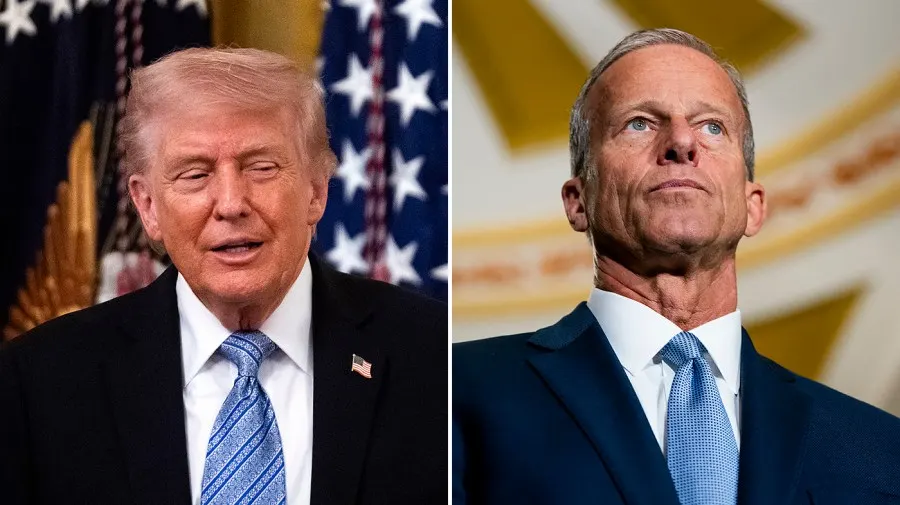
President Trump urged Senate Majority Leader John Thune to cancel the August recess until the Senate passes the SAVE America Act, escalating their dispute over the stalled voting legislation. Thune resisted the demand, saying supporters must show a realistic route to success before senators remain in Washington, highlighting a widening tactical divide within the Republican Party.
The bill would require documentary proof of US citizenship to register to vote in federal elections and photo identification at polling places. It has previously failed to secure the 60 votes normally needed to overcome a Senate filibuster; Trump has also called for the filibuster to be abolished, while Thune has rejected changing the rule. Senator Mike Lee backed delaying the recess and said he would object to the Senate leaving before the bill passes.
In short
- Trump wants the Senate to delay recess for the voting bill.
- Thune says supporters lack a viable path to passage.
- The bill faces the Senate’s 60-vote threshold.
Steelman: both sides, in good faith
The strongest fair case each way — we don't pick a winner.
The case for
Trump and his allies argue that the SAVE America Act represents a legislative priority worth dedicating focused Senate time to achieve. If Republican leadership genuinely values voter eligibility safeguards, cancelling the August recess demonstrates authentic commitment to passing meaningful legislation rather than accepting strategic defeat. The bill addresses legitimate concerns about voter registration and polling place access, making the scheduling sacrifice justified by the stakes involved.
The case against
Thune's position reflects practical legislative realism: keeping senators in Washington requires a credible path to the 60 votes needed to overcome the filibuster, which currently does not exist. Without either persuading Democratic senators or changing the Senate rules that Thune opposes, extended debate will not produce passage. Forcing an extended session wastes scarce legislative resources and disrupts senators' constituent work and campaign activities without advancing the actual prospect of legislative success.
Explained simply
The SAVE America Act is a voting legislation proposal that would require people registering to vote in federal elections to provide documentary proof of citizenship, and would require photo identification at polling places. Such voting requirements have been controversial in American politics, with supporters saying they prevent fraud and opponents arguing they restrict voter access.
The bill has not secured the 60 votes needed to pass the Senate under existing rules, which allow a minority of senators to block legislation through a procedure called the filibuster. President Trump wants the filibuster rule abolished so bills need only a simple majority to pass. Senate Majority Leader John Thune, who heads the Republican-controlled Senate, has opposed eliminating the filibuster.
The dispute reflects disagreement within the Republican Party about both voting policy and Senate procedure. The filibuster has shaped Senate operations for generations, and whether to keep it remains contested. How the Senate operates affects what legislation can pass and who holds the balance of power.
Cricket Elections Government Politics Sport