Entertainment news and discussion on TalkFuse.
New Marvel data confirms that Avengers: Doomsday is already doomed
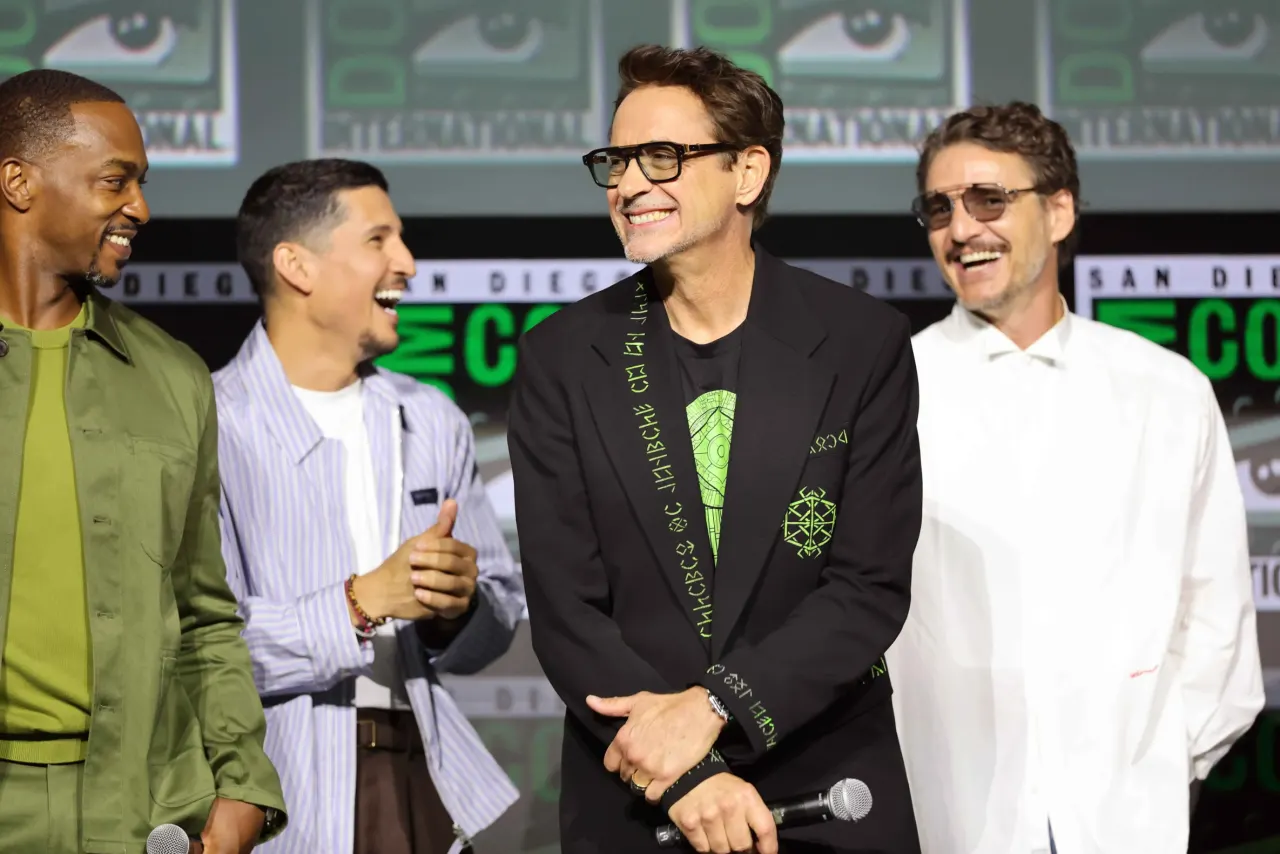
Marvel Studios returned to San Diego Comic-Con's Hall H to reveal its upcoming film slate, focusing heavily on Avengers: Doomsday alongside new Ghost Rider and Black Panther announcements, but the online reaction has been notably muted compared with the studio's triumphant 2022 return. Fans have reacted negatively to news such as Shawn Levy directing another Marvel film and Ryan Coogler following Sinners with a return to the MCU, while Kevin Feige's reassurance about Thanos's underdevelopment in Doomsday was widely mocked, suggesting waning enthusiasm for the franchise's direction.
The tepid response is reflected in streaming data: as of 27 July, Disney Plus charts remain dominated by Avatar, Moana and Spider-Man titles, with only Avengers: Infinity War and Endgame scraping onto the lower rungs despite the Comic-Con buzz. Disney's own top 10 similarly shows just Infinity War among non-Spider-Man Marvel entries. While this is partly explained by the imminent release of Spider-Man: Brand New Day, the author notes surprise that other multiverse-themed films, such as Doctor Strange in the Multiverse of Madness, haven't seen a corresponding uptick despite their relevance to Doomsday's plot.
In short
- Marvel's Comic-Con Doomsday reveal met with lukewarm, often critical fan reaction
- Disney Plus charts still led by Avatar, Moana, Spider-Man, not Marvel films
- Feige's Thanos comments and new directors/projects drew online backlash
Steelman: both sides, in good faith
The strongest fair case each way — we don't pick a winner.
The case for
The story presents measurable evidence of waning audience enthusiasm: streaming data objectively shows Marvel content struggling relative to competitors, fan reactions at Comic-Con were notably more subdued than in 2022, and specific creative choices are drawing criticism online. Most tellingly, even films thematically connected to Doomsday's plot failed to see renewed viewership following the announcement, suggesting the excitement needed to carry a major franchise entry simply isn't there.
The case against
Streaming charts are heavily shaped by release timing and recency bias rather than franchise health—the imminent Spider-Man release naturally dominates, and expecting old content to surge based on an announcement misunderstands viewing patterns. Online discourse amplifies vocal minorities; silent audiences may still be engaged. A single late-July snapshot cannot establish a genuine trend, particularly when the link between Comic-Con announcements and immediate streaming behaviour is assumed rather than proven. Prior MCU projects dismissed as doomed online have performed well, suggesting that reaction clips are unreliable predictors of actual audience behaviour.
Explained simply
The Marvel Cinematic Universe is a series of interconnected films produced by Marvel Studios since 2008 that has dominated global cinema, with Avengers films becoming some of the highest-grossing films ever made. The franchise's unprecedented success has made Marvel announcements closely watched events within the entertainment industry and popular culture.
Comic-Con's Hall H is an annual presentation where Marvel Studios unveils its upcoming slate of films and television projects to an engaged audience of devoted fans and media observers. Historically, the reception to Marvel announcements at this event has served as a reliable indicator of public enthusiasm for the franchise.
Avengers films represent the flagship event films within the Marvel Cinematic Universe, bringing together the studio's various character-driven franchises for large-scale crossover narratives. Each new Avengers film has typically been among the most anticipated and commercially successful releases of its year.
Avengers: Doomsday Entertainment Film Gaming