Boomers Can’t Stop Gifting Their Grandkids AI-Generated Slop Books
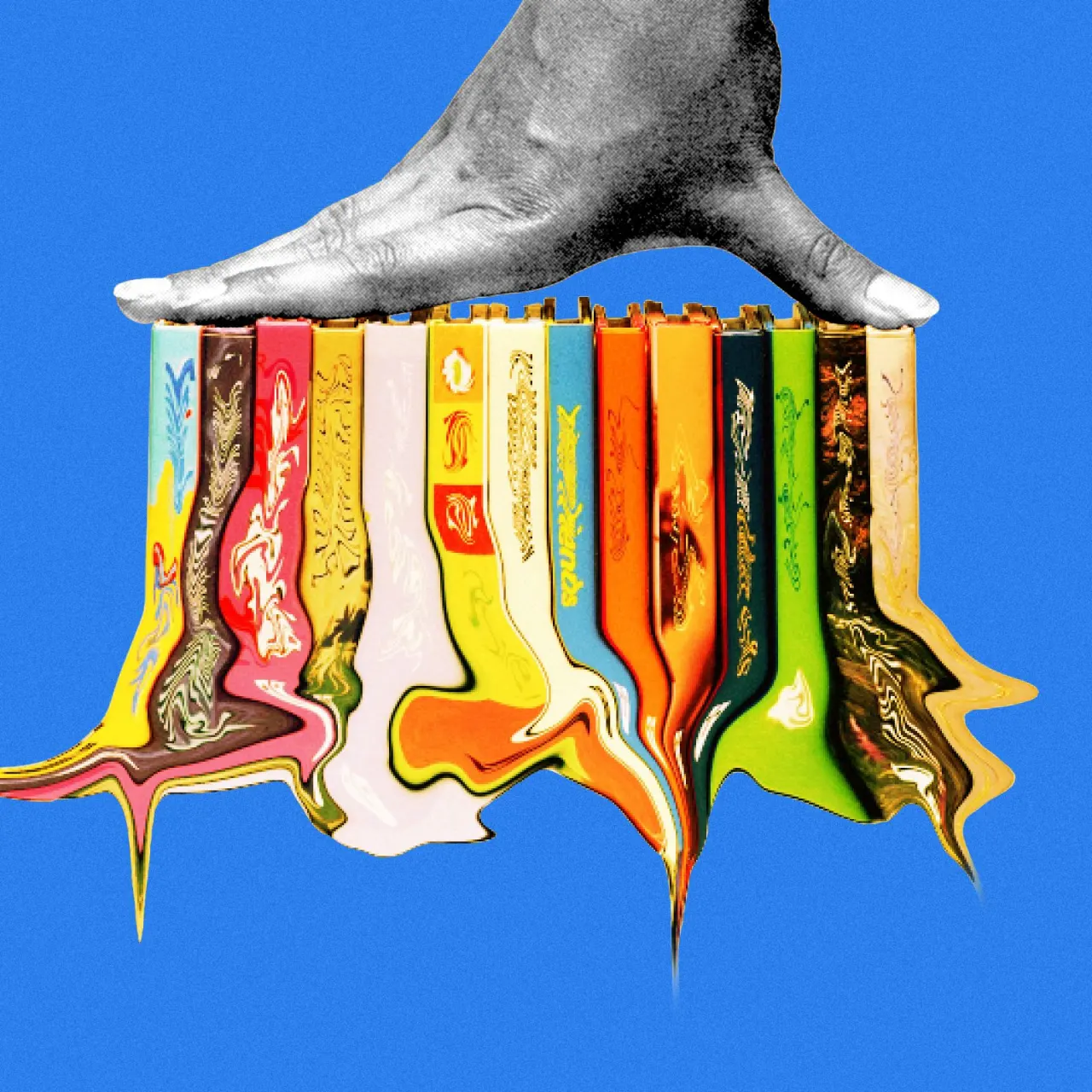
An increasing number of grandparents are gifting AI-generated "personalised" children's books that insert real children as characters, often against their parents' wishes and without consent to use their images or personal details. Platforms such as Imagitime, StoryWonderBook and Childbook.ai market these customised storybooks heavily, but parents interviewed describe them as poorly written and unengaging compared with traditional favourites, raising concerns about both consent and the quality of what children are being read.
Parents told WIRED that despite explicitly objecting to AI-generated content and asking relatives not to use their children's photos or names, family members went ahead anyway, creating books with matching names and personality traits. One father found his children quickly bored with the wordy AI tales, preferring established titles like Little Blue Truck, while another called feeding his children's likenesses into "slop machines" morally reprehensible. An academic, Daozhi Xu of Macquarie University, noted that personalisation alone doesn't create engagement, as AI books often lack the humour and memorable characters of human-authored ones — a concern set against wider data showing about 40% of US fourth-graders read below basic standard, and that fewer parents are reading aloud to their children than ever.
In short
- Grandparents are gifting kids AI-generated books featuring them as characters
- Some parents say this happens against their explicit wishes and consent
- Experts warn the books are poorly written amid a wider literacy decline
Steelman: both sides, in good faith
The strongest fair case each way — we don't pick a winner.
The case for
Personalised AI books can make a gift feel distinctive and may help children enjoy stories that feature familiar names, interests or likenesses. Grandparents may see them as a convenient, creative way to connect with younger relatives, and families can reasonably differ over whether this kind of personalisation is meaningful or entertaining.
The case against
Using a child’s image or personal details without parental agreement disregards the parents’ responsibility to make choices about their child’s privacy and media. Parents can also reasonably object that personalisation does not guarantee an engaging or well-crafted story, especially if it displaces shared reading of books their children enjoy.
Explained simply
Technology companies have begun offering AI-generated children's books that personalise stories by inserting real children as characters, using their names and details. Grandparents are increasingly buying these customised books as gifts, often using photos and personal information of their grandchildren to create them.
Many parents object to this practice because they did not consent to their children's images or personal details being used. Despite some parents explicitly asking family members not to create these AI-generated books, some grandparents proceed anyway, creating tension over consent and data privacy.
These AI-generated books have drawn criticism for being poorly written and failing to engage children the way established children's literature does. Experts note that simply personalising a story doesn't make it compelling, raising concerns at a time when childhood literacy rates are falling and fewer parents are reading aloud to their children.