Gianni Infantino’s big World Cup sale and Fifa’s race to the bottom line
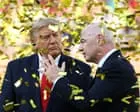
Fifa president Gianni Infantino faces widespread criticism after the organisation announced it is seeking private investment worth more than £7.5bn in the World Cup and its other competitions. The proposals, aimed at what Fifa describes as expanding "football development funding", have provoked accusations from Uefa that the organisation is enriching itself and its allies, marking a stark contrast with Infantino's 2016 pledge to clean up Fifa's finances and ensure the game's money is used for football rather than personal gain.
Uefa, Concacaf and the FA are among the bodies to have strongly condemned the plans, with Uefa's 55 member associations set to hold an emergency meeting at which a boycott of the World Cup could reportedly be discussed. Former Fifa president Sepp Blatter also weighed in, warning that turning Fifa into a profit-driven corporate structure would strip football of its soul, while Infantino's original promise to tackle a $550m (£414m) financial shortfall without treating Fifa's money as his own is now being sharply contrasted with the scale of the proposed sell-off.
- Fifa seeks over £7.5bn private investment in World Cup and competitions
- Uefa, Concacaf and FA strongly criticise the proposals
- Uefa members may hold emergency meeting, possible boycott discussed
New here? Start with this
Fifa is the international governing body for football, overseeing the World Cup and other major tournaments. In recent years it has faced both significant financial challenges and major corruption scandals.
Gianni Infantino became Fifa president in 2016 after widespread corruption investigations under his predecessor Sepp Blatter. He promised to clean up Fifa's finances and ensure the organisation invested in football development rather than operating as a vehicle for personal gain.
Now Fifa is seeking more than £7.5bn in private investment for its World Cup and other competitions. This proposal has generated controversy because it appears to contradict Infantino's earlier pledge to reform Fifa, raising questions about whether football's governing body risks becoming a profit-driven enterprise controlled by external investors rather than serving football itself.
Both sides, in good faith
The strongest fair case each way — we don't pick a winner.
The case for
Fifa could argue that private investment would provide substantial new funding to expand football development, while helping it meet the costs and ambitions of its competitions. If the terms are transparent and the proceeds are fairly distributed, commercial partnerships could benefit the game more broadly than relying on existing income alone.
The case against
Critics could argue that selling a major stake in the World Cup and other competitions risks putting commercial returns ahead of football’s interests, while concentrating influence and benefits among Fifa and its business partners. Given Infantino’s earlier promises about financial stewardship, the scale of the proposal also raises reasonable questions about accountability, who gains, and whether development funding will reach football as claimed.