Elon Musk’s xAI is trying to sue its way out of a Grok reckoning
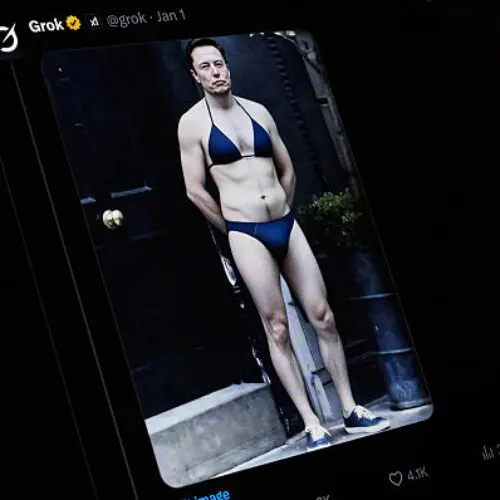
xAI, Elon Musk's artificial intelligence company, has filed a lawsuit against the US state of Minnesota to block a law banning "nudification" technology, arguing it is unconstitutional and would leave the firm exposed to potentially billions of dollars in fines. The move comes as xAI's chatbot Grok faces mounting scrutiny after users were arrested for allegedly using it to generate child sexual abuse material (CSAM), prompting lawsuits from children and families demanding safeguards be strengthened, while xAI itself has begun suing users it accuses of circumventing its protections.
Minnesota's law, due to take effect on 1 August, would fine companies up to $500,000 (roughly £395,000) for every harmful image generated in the state, with no requirement that the image be distributed and no safe harbour for firms like xAI. The company argues this could theoretically expose it to fines running into the tens of billions of dollars, given that some users are accused of generating thousands of abusive images of a single victim. Separately, xAI was sued last week after alerting police to an Arkansas photographer accused of using Grok to sexualise images of hundreds of child clients, including a 10-year-old claimant, with more lawsuits reportedly being prepared. xAI says it would rather rely on its existing terms of use than change Grok's image-editing features, but claims the threat of huge penalties leaves it "no practical choice" but to restrict the tool once the law takes effect.
In short
- xAI sues Minnesota to block a nudification technology ban.
- Law threatens fines up to $500,000 per harmful image.
- Grok faces separate lawsuits over alleged CSAM generation.
Steelman: both sides, in good faith
The strongest fair case each way — we don't pick a winner.
The case for
Minnesota can argue that imposing meaningful penalties on companies whose tools generate abusive sexual images is necessary to protect children and deter foreseeable harm, especially when distribution is not the only source of damage. A per-image fine and no safe harbour may encourage firms to build stronger safeguards rather than rely on terms of use after abuse occurs.
The case against
xAI can argue that liability for every image generated, even if it is never shared, creates potentially ruinous and uncertain exposure that may force broad restrictions on image-editing tools. It can also contend that the law risks burdening lawful expression and that targeted enforcement against users, alongside clear safeguards, is a more proportionate way to address abuse.
Explained simply
Grok is an artificial intelligence chatbot created by xAI, a company owned by Elon Musk. The tool has become the focus of serious concerns after users were arrested for allegedly using it to generate sexually abusive images of children, prompting lawsuits from families and calls for stronger safety measures.
Minnesota has enacted a law targeting "nudification" technology—artificial intelligence tools that use photographs to create sexually explicit images. The law, which took effect in August, imposes fines of up to $500,000 for every harmful image generated within the state, reflecting growing concern over such abuse.
The conflict highlights a broader tension between technology companies' freedom to develop new tools and the need to protect children from abuse. xAI argues the law's potential penalties are impossibly high and unconstitutional, while child safety advocates say companies must do more to prevent their tools from being used for harm.