World news and discussion on TalkFuse.
Which of Dyson’s 2026 Vacuum Models Is the Best?
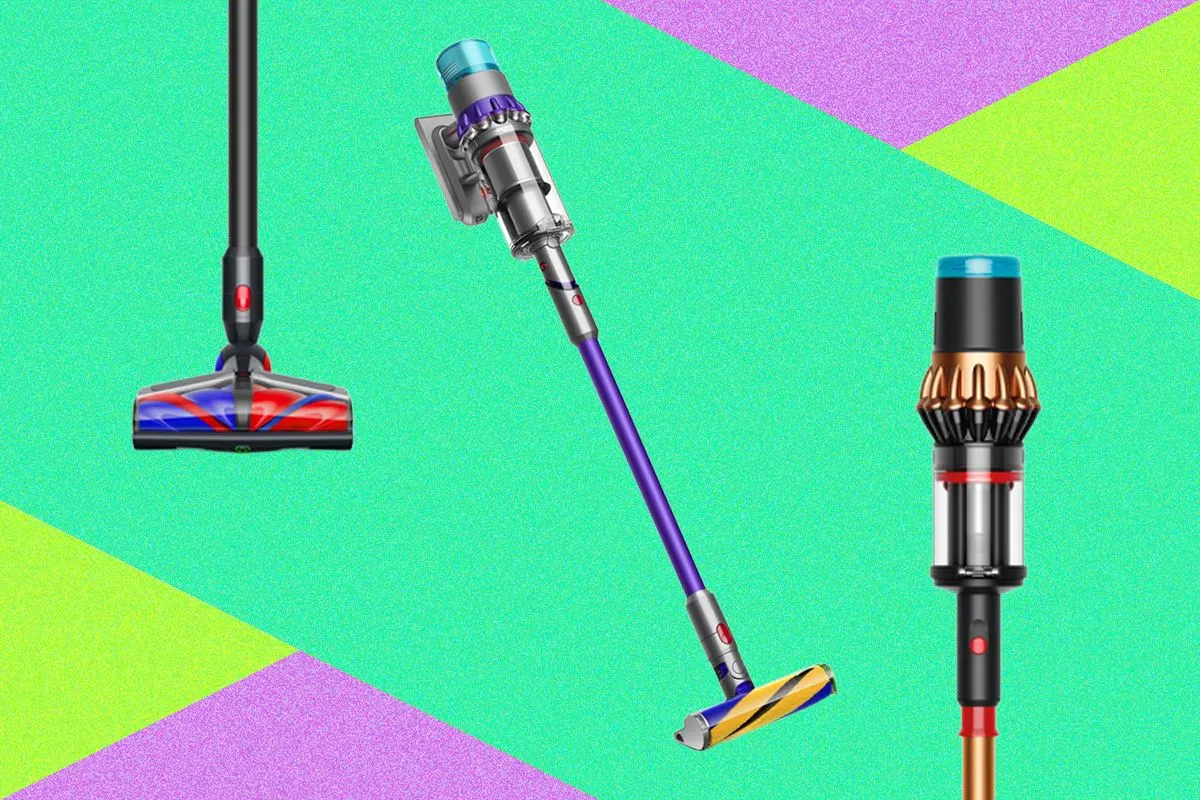
Wired tested five of Dyson's current cordless vacuum models against each other to help buyers navigate an increasingly crowded and confusingly named lineup. The comparison matters because Dyson now sells three new models alongside two older ones at widely varying price points, making it hard for shoppers to know whether newer or pricier necessarily means better, or whether it's worth upgrading from an existing model.
Across a series of head-to-head tests, the Gen5Detect ($800) came out on top overall, narrowly ahead of the pricier V16 Piston Animal ($980), with the more affordable V10 Konical ($500) ranking third despite its lower cost. The article breaks down each model's suction power, included accessories and filtration, noting that higher numbers and prices generally, but not always, correspond to greater suction (from 150 air watts on the V8 Cyclone and V10 Konical up to 315 on the V16) and extras such as HEPA filtration, additional cleaning heads, or compatibility with add-ons like the Submarine wet-cleaning head and an upcoming auto-emptying dock.
In short
- Wired ranked five current Dyson cordless vacuums against each other.
- Gen5Detect ($800) won overall, ahead of the pricier V16 Piston Animal.
- V10 Konical ($500) offered the best value, ranking third overall.
Steelman: both sides, in good faith
The strongest fair case each way — we don't pick a winner.
The case for
A buyer could reasonably favour the Gen5Detect: in Wired’s tests it performed best overall, narrowly beating the more expensive V16, while offering stronger results than several cheaper models. For people who value cleaning performance, filtration and useful accessories over the lowest upfront cost, the comparison helps identify which features may justify paying more or upgrading.
The case against
A buyer could reasonably question whether a modest test advantage warrants the premium price or an upgrade from a working vacuum. The V10 Konical placed third at a substantially lower cost, and performance, included tools and compatibility may matter differently across homes, so the best choice depends on a buyer’s needs and budget rather than the overall ranking alone.
Explained simply
Dyson's cordless vacuum range has grown increasingly complex, with five different models currently available at varying price points. Many shoppers find it difficult to determine whether paying more guarantees better performance, or whether a cheaper model might prove equally suitable for their needs.
Wired has tested five of Dyson's current cordless models to help buyers understand what each offers and how they compare. The company's range includes both newer and established models with different features and capabilities, making it confusing to know which represents good value.
This matters because cordless vacuums are expensive purchases for most households, and selecting the wrong model means either wasting money on unnecessary features or missing out on performance you actually need. A clear comparison of how the models perform and what they include helps shoppers make better informed purchasing decisions.