Dow sinks 1,100 points after Fed holds off on hike
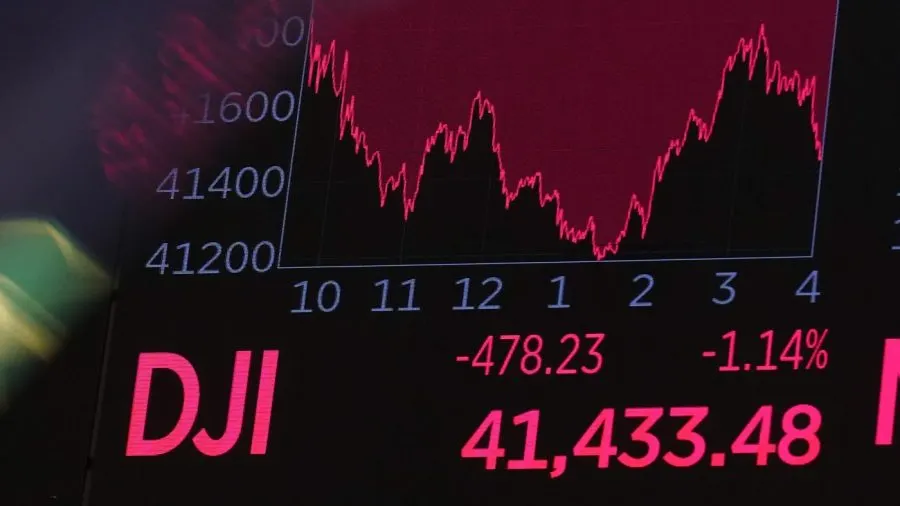
US stocks fell sharply after the Federal Reserve cut interest rates but signalled that it may make fewer reductions in 2025 than investors had expected. The reaction reflected concern that borrowing costs could remain higher for longer, limiting support for businesses, consumers and share prices.
The Fed lowered its main rate by a quarter of a percentage point, its third cut since September, taking the target range to 4.25%–4.50%. It projected only two further quarter-point cuts in 2025, compared with four previously forecast; the Dow Jones Industrial Average dropped 1,123 points, or 2.6%, while the S&P 500 fell 2.9% and the Nasdaq declined 3.6%.
In short
- Fed signals fewer 2025 rate cuts than markets expected
- Dow loses more than 1,100 points
- Higher-for-longer rates unsettled investors
Steelman: both sides, in good faith
The strongest fair case each way — we don't pick a winner.
The case for
The Fed can reasonably argue that slowing the pace of future cuts guards against inflation returning and protects the credibility of its price-stability goal. Although it reduced rates again, signalling caution may help keep expectations anchored while the effects of earlier cuts become clearer.
The case against
Investors and borrowers can reasonably argue that tighter-than-expected guidance risks holding borrowing costs high for longer, weighing on business investment, household spending and employment. With rates still elevated, fewer cuts could also leave markets and the wider economy more exposed if growth weakens.
Explained simply
The Federal Reserve is America's central bank, responsible for managing the nation's money supply and interest rates. When it changes its main interest rate—the cost at which banks lend to one another—this effect ripples through the entire economy, influencing mortgage rates, savings accounts and the rates businesses pay to borrow money.
Interest rates affect how much it costs to borrow money. When rates are higher, businesses and consumers pay more to take out loans, which can discourage spending and slow economic growth. Conversely, lower rates make borrowing cheaper and can stimulate spending and investment, supporting jobs and company profits.
Stock markets respond closely to changes in interest rates and economic expectations because investors assess how profitable companies will be in different economic conditions. When investors expect rates to stay higher for longer than they previously thought, they often reassess the future earnings of companies and shift their investments accordingly, which can trigger sharp movements in share prices.
Business Economy Government Markets Politics