Trump backs pardon for Fauci despite years of public feuding
Developed over time first seen 3 months ago
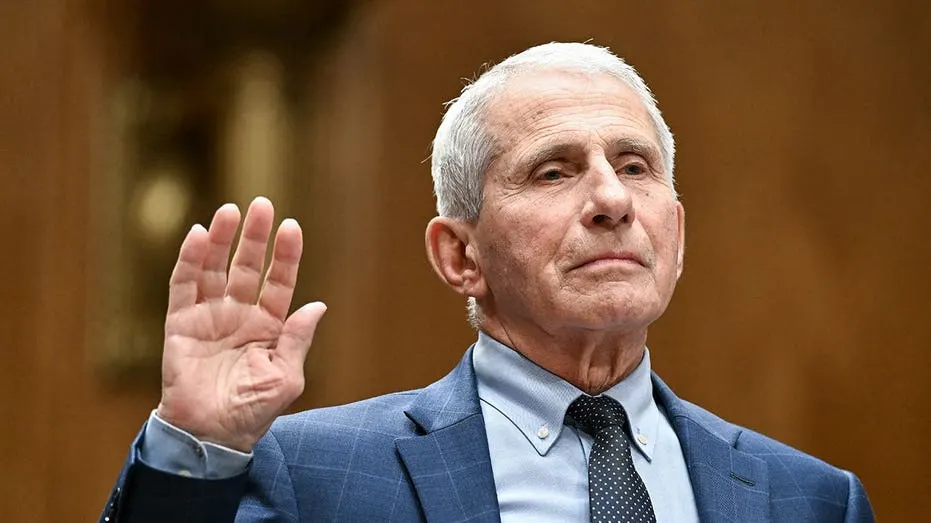
President Donald Trump has said he supports Joe Biden's decision to pardon Dr Anthony Fauci, despite years of bitter public disagreement between the two men over the United States' handling of the COVID-19 pandemic. The endorsement is notable because Fauci, the former chief White House medical adviser, had become one of the most prominent targets of conservative criticism over pandemic-era policy, and the pardon shields him from potential federal prosecution even as political scrutiny of his record continues.
During questioning over his role in shaping COVID-19 guidance, Fauci invoked his Fifth Amendment right against self-incrimination, a move that drew sharp criticism from conservative campaigners, including Tina Descovich of Moms for Liberty, who said he should instead apologise for the policies pursued under his advice. Biden's pardon of Fauci followed years of dispute over the scientist's influence on lockdowns, mask mandates and other pandemic measures, making Trump's public backing of the move a striking departure from his previous stance towards Fauci.
- Sources
- 2
- Outlets
- 2
- Left · Centre · Right
- 0 · 0 · 2
In short
- Trump backs Biden's pardon of Dr Anthony Fauci despite past feuding
- Fauci pleaded the Fifth during questioning on COVID-19 policy
- Conservative groups still want Fauci to apologise, not be pardoned
How this story developed
- 3 months ago Fresh reporting reaffirmed the same account, noting the pardon could limit Fauci's exposure to federal prosecution even as Trump's endorsement of Biden's move continued to draw attention alongside the unresolved conservative calls for Fauci to apologise.
- 3 months ago Coverage shifted to lay out the sequence more fully, detailing how Fauci's Fifth Amendment refusal to answer questions first drew Moms for Liberty's Tina Descovich to demand an apology before Biden granted the pardon that Trump then said he "respects".
- 3 months ago Trump publicly backed Biden's pardon of Fauci, a striking about-face after years of feuding with him over pandemic policy, while conservatives pointed to Fauci's earlier Fifth Amendment plea as reason for him to apologise instead.
Steelman: both sides, in good faith
The strongest fair case each way — we don't pick a winner.
The case for
Supporters of the pardon argue that Dr Fauci served in an extraordinarily difficult role during an unprecedented public health emergency, making decisions under time pressure with incomplete information, and that he has since become the target of politically motivated investigations rather than genuine legal jeopardy. They see the pardon, and Trump's willingness to endorse it despite personal animosity, as a pragmatic way to end a cycle of retribution, protect a long-serving public servant from prosecutorial harassment, and allow the country to move past pandemic-era recriminations rather than relitigating them indefinitely through the courts.
The case against
Critics argue that Fauci held significant influence over policies, such as lockdowns, mask mandates and school closures, that profoundly affected millions of lives, and that invoking the Fifth Amendment rather than answering questions fuels legitimate public demand for accountability and transparency. From this view, a pardon short-circuits any proper investigative or judicial process before it runs its course, denying families and citizens the honest reckoning and, where warranted, formal acknowledgement of mistakes that they believe pandemic-era decision-makers still owe the public.
Explained simply
Fauci served as the top US government adviser on infectious disease for decades, most visibly during the COVID-19 pandemic, when he became the public face of America's response under both Trump and Biden. That role made him a lightning rod: many conservatives came to see him as symbolic of pandemic-era restrictions and shifting official guidance, while others viewed him as a steady scientific voice during a chaotic period.
Presidential pardons in the US can protect someone from federal prosecution, even for offences they have not been charged with, and Biden issued one covering Fauci before leaving office. Trump and Fauci had clashed repeatedly in public over COVID policy, so Trump's willingness to accept the pardon is notable given that history, even as scrutiny of Fauci's conduct continues through congressional questioning and campaign groups such as Moms for Liberty.
This matters because it touches on how the pandemic response is judged in hindsight, how far a pardon can shield a former official from further legal consequences, and how political divisions from that period still shape US debate today.
Coverage · 2 sources
Bias meters
From 2 rated sources.