MIKE DAVIS: Accountability must come for Fauci and his co-conspirators
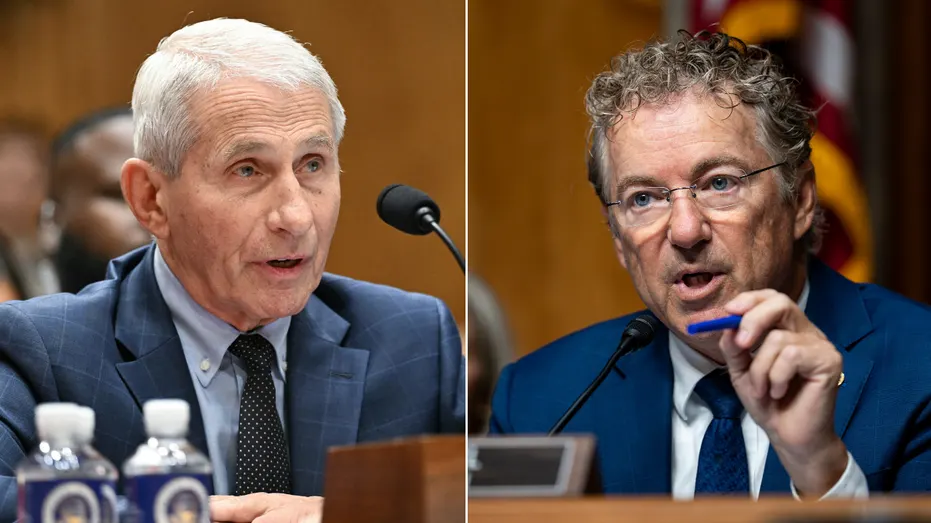
The article argues that Anthony Fauci should face congressional contempt proceedings and possible criminal investigations after reportedly invoking the Fifth Amendment during congressional questioning about his role in the COVID-19 pandemic. Its significance lies in the continuing political and legal dispute over pandemic decision-making, accountability and the limits of presidential pardons.
Written as an opinion piece, it characterises Fauci’s pandemic management as dishonest or seriously flawed and calls for federal and state-level action against him. The excerpt says Republican members of Congress are seeking answers about his conduct, while also noting that Fauci invoked his right against self-incrimination; the article itself does not establish the alleged wrongdoing.
In short
- Opinion piece calls for investigations into Anthony Fauci.
- Fauci reportedly invoked the Fifth Amendment before Congress.
- Allegations remain contested and unproven in the excerpt.
Steelman: both sides, in good faith
The strongest fair case each way — we don't pick a winner.
The case for
Supporters of further scrutiny argue that public officials should answer for consequential pandemic decisions, and that congressional contempt proceedings or investigation may be justified if evidence shows Fauci withheld information or misled lawmakers. They see accountability as essential to public trust and argue that invoking the Fifth Amendment does not resolve questions about his conduct.
The case against
Critics of pursuing contempt or criminal investigations argue that invoking the Fifth Amendment is a constitutional right, not evidence of wrongdoing, and that the article does not establish the allegations it makes. They contend that any inquiry should be guided by credible evidence and due process, rather than political pressure or an assumption of guilt.
Explained simply
Anthony Fauci is a US doctor and former government adviser who led the National Institute of Allergy and Infectious Diseases for many years. During the COVID-19 pandemic, he became a prominent voice on public health measures and advice.
Congressional committees can question officials about their conduct and the government’s pandemic response. The Fifth Amendment gives people in the United States the right not to answer questions if their answers could incriminate them; invoking it does not by itself establish wrongdoing.
The debate over Fauci reflects wider disputes about how pandemic decisions were made and who should be held responsible for them. It also raises questions about the powers of Congress and the reach of presidential pardons.