‘At least I’ll sleep well tonight’ – Fifa executive joins Burnham in questioning Infantino
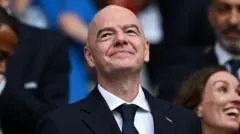
Fifa president Gianni Infantino is facing intensified opposition over plans to sell stakes in football competitions to private investors. Fifa chief operating officer Kevin Lamour said staff had been deceived and urged political leaders to act, adding that he would accept losing his job for speaking out; the dispute raises concerns about the future governance and independence of the World Cup.
The Asian Football Confederation joined Uefa and Concacaf in opposing the proposal, while senior adviser Carlos Cordeiro resigned, calling it a bad deal that could mortgage football’s future. A simple majority of 106 from Fifa’s 211 members would be needed, but the three opposing confederations represent 136 votes if their member associations follow their positions; Conmebol has requested further details.
- Infantino faces growing resistance over private investment plans.
- Fifa’s chief operating officer says staff were deceived.
- Opposition could deny the proposal the votes needed.
New here? Start with this
Fifa is the international body that runs the men’s and women’s World Cups and oversees football worldwide. Its members are national football associations, grouped into regional confederations such as Uefa in Europe, the Asian Football Confederation and Concacaf in North and Central America and the Caribbean.
The dispute concerns a proposal to sell private investors stakes in some football competitions. Opponents argue this could give investors influence over decisions and reduce football’s independence; supporters’ views and the proposal’s details will shape the debate.
Fifa decisions are made by votes from its member associations, so the positions of the regional confederations matter. The outcome could affect who controls future competitions and how football’s revenues and decisions are shared.
Both sides, in good faith
The strongest fair case each way — we don't pick a winner.
The case for
Fifa requires modern capital investment and professional management expertise to develop football infrastructure globally, particularly in emerging markets where resources remain constrained. Private sector involvement could improve operational efficiency, expand competitions to new audiences, and generate substantial revenue benefiting the entire sport. Leadership teams in major organisations routinely make strategic capital decisions without requiring unanimous stakeholder approval, and Fifa should retain autonomy to modernise its business model for long-term growth.
The case against
Football's governance structures exist to serve the sport's stakeholders—players, fans, and member associations—rather than to generate private returns. Selling permanent equity stakes transfers control to investors whose fiduciary duties prioritise shareholder profit over football's independence and integrity. This irreversible step risks subordinating future decisions to commercial pressure, and the lack of transparent democratic consultation with confederations suggests the process itself violates the inclusive governance principles that international sport requires.