Entertainment news and discussion on TalkFuse.
The 1971 song Ian Anderson wanted to leave in the past: “Has palled a bit”
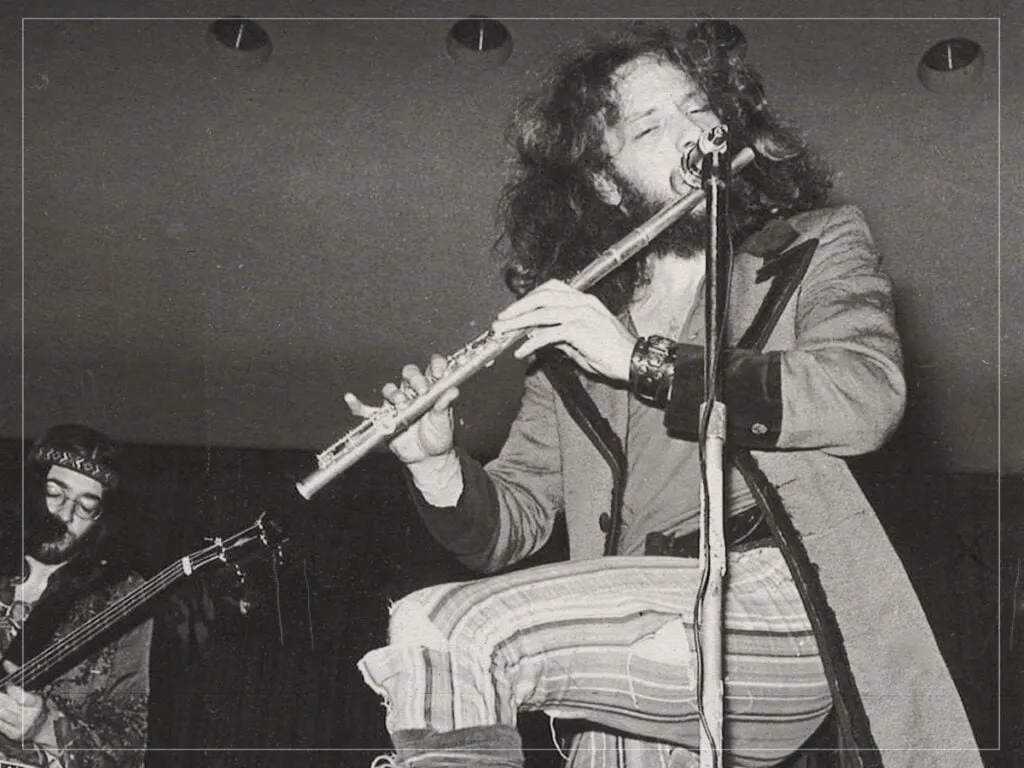
Jethro Tull frontman Ian Anderson has revealed that "Aqualung", the band's celebrated 1971 track, has "palled a bit" for him in recent months, even though it remains an essential part of the group's live shows. Speaking to Far Out magazine, Anderson explained that despite his personal fatigue with the song, fans still expect to hear it, and he believes no Jethro Tull concert would feel complete without it. The comments come as Anderson reflected on his decades-long career, noting that art and entertainment allow performers to continue working without a forced retirement.
Anderson also addressed why "Aqualung", which explores themes of homelessness and poverty, continues to resonate more than 50 years after its release, pointing to the ongoing visibility of homeless people and the added dangers of drug problems and exploitation today. He contrasted "Aqualung" with other setlist staples, saying "Locomotive Breath" remains fine to play but "Living in the Past" is due a period of "light retirement". Anderson noted that out of more than 200 songs Jethro Tull have recorded, only around a quarter are considered viable for live performance.
In short
- Ian Anderson says Jethro Tull's "Aqualung" has "palled a bit" lately.
- He still deems it essential to the band's live shows.
- Anderson calls the song's homelessness theme as relevant now as in 1971.
Explained simply
Jethro Tull are a British rock band formed in the late 1960s, led for much of their career by singer and flautist Ian Anderson. Their 1971 album Aqualung became one of their best-known records, with its title track telling the story of a homeless man and touching on poverty.
The song remains a regular part of the band’s concerts, alongside other familiar tracks such as “Locomotive Breath”. Jethro Tull have recorded more than 200 songs, but Anderson says only a portion work well on stage, so choices about what to play reflect both the band’s catalogue and what audiences expect.
The song’s subject remains visible in public life: homelessness and poverty have not disappeared, while drug problems and exploitation can add further risks. That continuing relevance helps explain why a track written more than 50 years ago still has a place in the band’s live repertoire.