Fuel excise reduction expires, pushing petrol prices up across Australia
Developed over time first seen 2 months ago
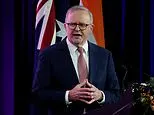
Australia's temporary cut to the fuel excise tax has ended, pushing petrol prices higher for motorists nationwide at a time when households are already grappling with cost-of-living pressures. The excise reduction had originally been introduced as relief amid Middle East geopolitical tensions, and its expiry removes that cushion just as inflation remains a pressing concern for family budgets, drawing attention to the impact on already-squeezed consumers.
In response, Treasurer Jim Chalmers directed Australia's competition regulator to step up monitoring of service stations and fuel suppliers, aiming to ensure that any price increases reflect the restoration of the excise rather than unjustified profiteering. The government said it would scrutinise pricing closely and act on any rises beyond what the excise change alone would explain, positioning regulatory oversight as a safeguard for consumers during the transition back to higher pump prices.
- Australia's temporary fuel excise cut has expired, raising petrol prices
- Move adds pressure to households already facing cost-of-living strain
- Chalmers orders regulator to monitor fuel firms for unjustified price hikes
New here? Start with this
Australia charges a fuel excise, a tax added to every litre of petrol and diesel sold, which is normally built into the price motorists pay at the pump. Earlier this year the government temporarily cut this tax to soften the impact of rising costs linked to tensions in the Middle East, which had pushed up global oil prices. That temporary cut has now come to an end, meaning the tax is being added back in full.
The change matters because it affects the price of petrol directly, at a time when many Australian households are already under pressure from the rising cost of living, including groceries, housing and energy bills. Petrol is a cost that touches nearly everyone, from daily commuters to businesses that rely on transport, so any increase tends to be felt widely and quickly.
Treasurer Jim Chalmers is the key government figure involved, as the minister responsible for economic policy and now for overseeing how fuel retailers respond to the tax change. Australia's competition regulator, which monitors fair pricing across markets, is the other central player, tasked with checking that fuel companies pass the excise change on to customers accurately rather than using it as cover to raise prices further.
Both sides, in good faith
The strongest fair case each way — we don't pick a winner.
The case for
Those who welcome the excise reverting to its normal rate, alongside closer regulatory scrutiny, argue that the cut was always meant to be temporary relief tied to a specific crisis, and letting it lapse restores much-needed revenue for roads and public services without permanently distorting the budget. They see the government's decision to task the competition regulator with monitoring pump prices as a prudent, proportionate safeguard, ensuring that motorists pay only what the restored excise justifies and that any opportunistic profiteering by suppliers is identified and challenged. This approach, they contend, respects market pricing while protecting consumers from being exploited during the transition.
The case against
Critics, by contrast, argue that ending the excise relief now is poorly timed given how squeezed household budgets remain, and that the government should have extended or phased out the cut more gradually to cushion the impact on families already struggling with the cost of living. They may also view the increased regulatory monitoring as a reactive, symbolic gesture rather than substantive help, questioning whether a watchdog can meaningfully deter price rises after the fact instead of preventing the squeeze in the first place. For this side, the priority should have been sustained affordability for motorists over restoring excise revenue on the original schedule.
Coverage
- Daily Mail — Albanese government removes tax break: Fuel prices to rise today
- The Guardian — Australia news live: Chalmers asks regulator to watch service stations ‘like a hawk’ as fuel excise cut ends