Furious UEFA warned Gianni Infantino NOT to destroy botched World Cup plan documents with lawsuit threatened before FIFA president abandoned his plot
Developed over time first seen 2 months ago
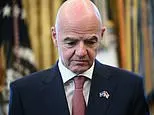
UEFA formally warned FIFA president Gianni Infantino not to destroy any documents relating to a botched, now-abandoned World Cup plan, threatening legal action had evidence been tampered with. The episode marks a serious escalation between European football's governing body and FIFA, reflecting UEFA's fury both at the substance of the scheme and at how Infantino handled the fallout before ultimately shelving the plot.
The dispute centred on a controversial proposal reportedly involving the effective sale of aspects of the World Cup, which UEFA strongly opposed and which Infantino dropped once the pushback intensified. Real Madrid have since publicly backed UEFA's stance, a notable reversal given the club spearheaded the breakaway European Super League project five years earlier, a scheme UEFA fought fiercely at the time; separately, both England and Wales have withdrawn their support for Infantino's re-election as FIFA president in the wake of the row.
- UEFA threatened legal action over Infantino's shelved World Cup sale plan
- Real Madrid, a former Super League rebel, backed UEFA's stance
- England and Wales have withdrawn support for Infantino's re-election
New here? Start with this
UEFA and FIFA are football's two most powerful governing bodies, overseeing the European game and the global game respectively. Gianni Infantino is FIFA's president and had been developing a plan connected to the World Cup that involved effectively selling off elements of the tournament, an idea UEFA strongly opposed.
Facing resistance, Infantino dropped the plan, but the dispute escalated when UEFA formally warned him against destroying any related documents, threatening legal action if evidence was tampered with. This points to a deeper rift between the two organisations over how football's biggest events are run and who controls them.
Real Madrid's decision to back UEFA publicly adds another layer, since the club led the failed breakaway European Super League project five years ago, a venture UEFA opposed at the time, making this alignment notable given their previous clash.
Both sides, in good faith
The strongest fair case each way — we don't pick a winner.
The case for
Supporters of FIFA's prerogative to explore new commercial models argue that as football's global governing body, FIFA has a legitimate mandate to seek fresh revenue streams for the World Cup, funds that ultimately flow back into grassroots and national federation development worldwide. They contend that a president testing ambitious, even unsuccessful, ideas is a normal part of leadership, and that swiftly abandoning the plan once serious objections emerged shows the system of internal checks working as intended, rather than evidence of wrongdoing.
The case against
Critics, led by UEFA, argue the proposal risked compromising the World Cup's integrity by effectively commodifying parts of the tournament for private financial gain, without adequate consultation of the confederations, clubs and national associations who have a stake in the game's governance. They maintain that transparency and accountability require full preservation of the record of how such a consequential plan was developed and then dropped, which is why they insist on safeguarding the underlying documents rather than allowing the episode to be quietly buried.
More coverage
Americas Entertainment Europe Football Government Music Politics Sport World
Read the full article at the source →
Originally published by Daily Mail as “Furious UEFA warned Gianni Infantino NOT to destroy botched World Cup plan documents with lawsuit threatened before FIFA president abandoned his plot”.