From European hopes to relegation form – will Moyes reignite Everton?
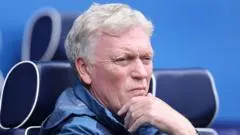
Everton manager David Moyes faces the challenge of reviving a side that surged into European contention last season before collapsing into relegation-form football, finishing 13th for the second successive campaign. A promising run that peaked with a 3-0 win over Chelsea in March, leaving them just three points off the Champions League places, disintegrated after an April draw at Brentford, with Everton failing to win any of their remaining fixtures and matching only relegated Burnley and Wolves for that dismal run.
Despite record summer spending of £97m ahead of 2025-26, Everton matched the same 13th-place finish they achieved when Moyes returned in January 2025, when the club had been just a point above the drop zone. Former midfielder Leon Osman argued this still represents progress and stability after years of financial turmoil, though Everton's home form at their new Hill Dickinson Stadium was the weakest points-per-game record of any side starting life in a new Premier League ground, and their win rate collapsed after Jack Grealish was sidelined by injury in January. Moyes, now 63 and entering the final year of his contract, must find a way to close the gap on lower-spending rivals such as Bournemouth and Brighton, who outperformed Everton despite selling more players than they bought.
- Everton finished 13th again despite a club-record £97m summer transfer outlay.
- Late-season collapse saw them go winless, level with relegated Burnley and Wolves.
- Moyes enters his contract's final year facing pressure to reignite European hopes.
New here? Start with this
Everton are a football club from Liverpool who play in the Premier League, England’s top division. David Moyes returned as manager in January 2025 after the club had spent several seasons dealing with financial problems and the risk of relegation.
Moyes previously managed Everton for more than a decade, helping them regularly compete near the top half of the league. The club now plays at Hill Dickinson Stadium, having left Goodison Park, its long-time home.
Everton’s challenge is to turn improved stability into stronger results. Clubs such as Bournemouth and Brighton have finished above them despite spending less, making Everton’s squad, finances and home form central to hopes of moving up the table.
Both sides, in good faith
The strongest fair case each way — we don't pick a winner.
The case for
Everton's position reflects genuine progress given the club's turmoil in recent years. After battling relegation when Moyes arrived, securing a manager of his experience, investing £97m, and building a modern stadium represents the foundational stability from which European ambitions must eventually emerge. The mid-season form proved the squad can compete with elite sides, and maintaining a settled project rather than pursuing panic changes offers the best path to sustained improvement.
The case against
Record spending yielding consecutive 13th-place finishes, whilst rivals like Brighton and Bournemouth outperform Everton despite selling more players than they purchased, indicates strategic failure in recruitment or management. The dramatic collapse from near-Champions League contention to relegation-form football, combined with historically weak home performances in their new stadium, raises serious questions about whether Moyes can close the gap to better-managed opponents, particularly with his contract expiring and his age advancing.