10 years later, the director of Korea’s first great zombie movie reveals why it became a global sensation
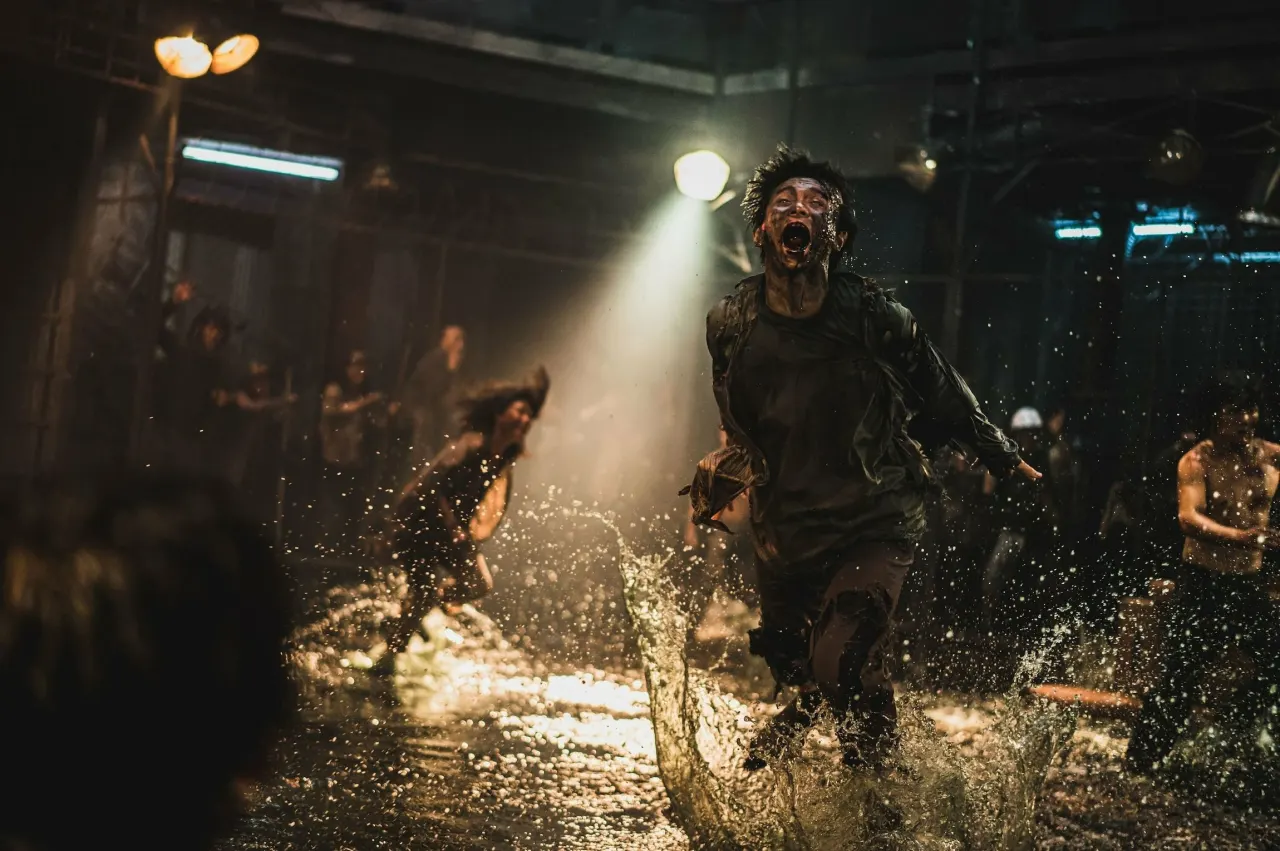
Train to Busan, the 2016 South Korean film that helped popularise the zombie genre worldwide, is returning to cinemas on 14 August to mark its tenth anniversary. Director Yeon Sang-ho spoke to Polygon about the film's creation, explaining that with no established zombie fan base in Korea, he deliberately blended horror with action and family drama so the story would resonate emotionally, aiming to make audiences cry rather than simply scream. That genre-blending approach, he says, is also what set the film apart internationally at a time when Hollywood's zombie output, exemplified by Pride and Prejudice and Zombies, was comparatively weak.
Yeon also discussed why the 2020 sequel, Peninsula, failed to match the original's success despite performing reasonably at the box office. He attributed this to the zombies' design, originally created around the light-sensitive, claustrophobic setting of a train passing through tunnels, which lost its tension once transplanted into Peninsula's open, post-apocalyptic wasteland setting. The interview touches on his approach to directing his first live-action blockbuster after earlier animated features, and hints at questions over whether he will complete a planned trilogy.
In short
- Train to Busan returns to cinemas 14 August for its tenth anniversary.
- Director Yeon Sang-ho explains why blending genres made it a global hit.
- Sequel Peninsula struggled because its zombies didn't suit an open setting.
Explained simply
Train to Busan is a South Korean horror film released in 2016, set largely aboard a train during a zombie outbreak. It was directed by Yeon Sang-ho, who had previously made animated films.
The film combines zombie horror with action and family drama. This helped it connect with viewers in South Korea, where Yeon says there was no established zombie fan base, and with audiences elsewhere.
A sequel, Peninsula, followed in 2020, moving the story to a more open, ruined landscape. The films’ different settings matter because the original’s zombies were designed for the confined, dark spaces of a train.
Asia Entertainment Film Horror