Stopgap funding bill seeks delay of Trump’s science funding plan
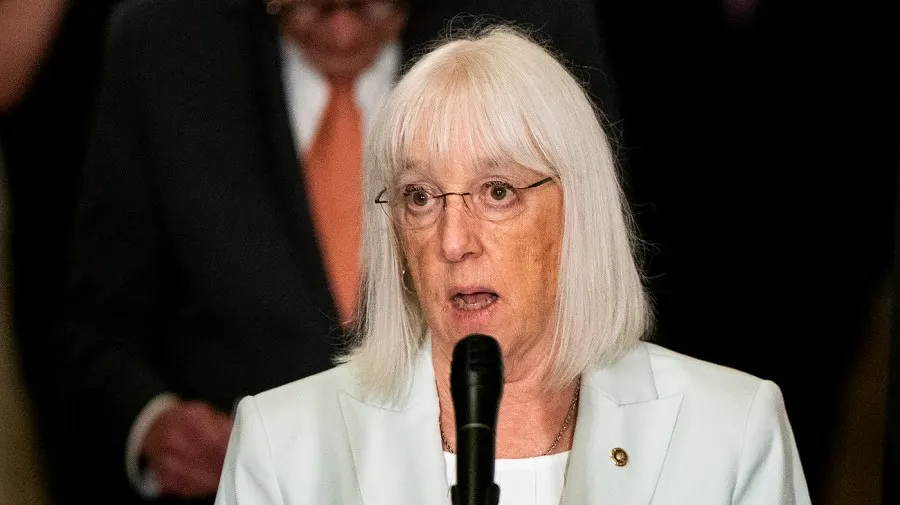
The Trump administration has proposed a plan to place political appointees in charge of significant science funding resources. This proposal has drawn criticism and is characterised as controversial in its approach to managing scientific institutions and appointments.
Senate Republicans are supporting a measure within the stopgap funding bill that would delay the plan's implementation, signalling reservations within the party about the proposed changes to how science funding governance would operate.
In short
- Trump administration proposes placing political appointees in control of hundreds of billions in science funding
- Stopgap funding bill includes provision to delay implementation of this plan
- Senate Republicans backing the delay, suggesting internal party concern about the restructuring
Steelman: both sides, in good faith
The strongest fair case each way — we don't pick a winner.
The case for
Supporters of the delay argue that scientific funding decisions have long relied on career staff and peer-review processes precisely because they are insulated from short-term political pressures, and that abruptly handing control to political appointees risks disrupting research pipelines, undermining public trust in agencies, and injecting partisan considerations into decisions about which projects merit taxpayer support. They see the pause as a prudent, minimal step that allows Congress time to scrutinise a major structural change before hundreds of billions of dollars in funding arrangements are altered, rather than an outright rejection of reform.
The case against
Those opposed to the delay, including advocates of the administration's original plan, argue that political appointees are accountable to elected leadership and the public in a way that career bureaucrats are not, and that oversight of such vast sums is a legitimate exercise of executive authority to ensure spending reflects national priorities and reduces waste or ideological bias in grantmaking. From this perspective, delaying the change simply preserves an entrenched status quo that insulates decision-makers from accountability, and Congress should let the administration implement a plan it was elected to pursue rather than blocking it through procedural manoeuvring in a stopgap bill.
Explained simply
Federal science funding supports research carried out by universities, public agencies and other institutions. Decisions about how that money is distributed can influence which projects go ahead and who sets research priorities.
The Trump administration’s proposal would give political appointees a larger role in overseeing substantial science funding. Political appointees are chosen by an elected administration, while many existing science bodies rely on career staff and established review processes.
The debate concerns how to balance elected leaders’ influence over public spending with the role of scientific expertise in funding decisions. A temporary funding bill keeps government operations running while lawmakers work on longer-term spending plans.