Prison reforms: Everything Prime Minister Andy Burnham is planning including 14,000 new places
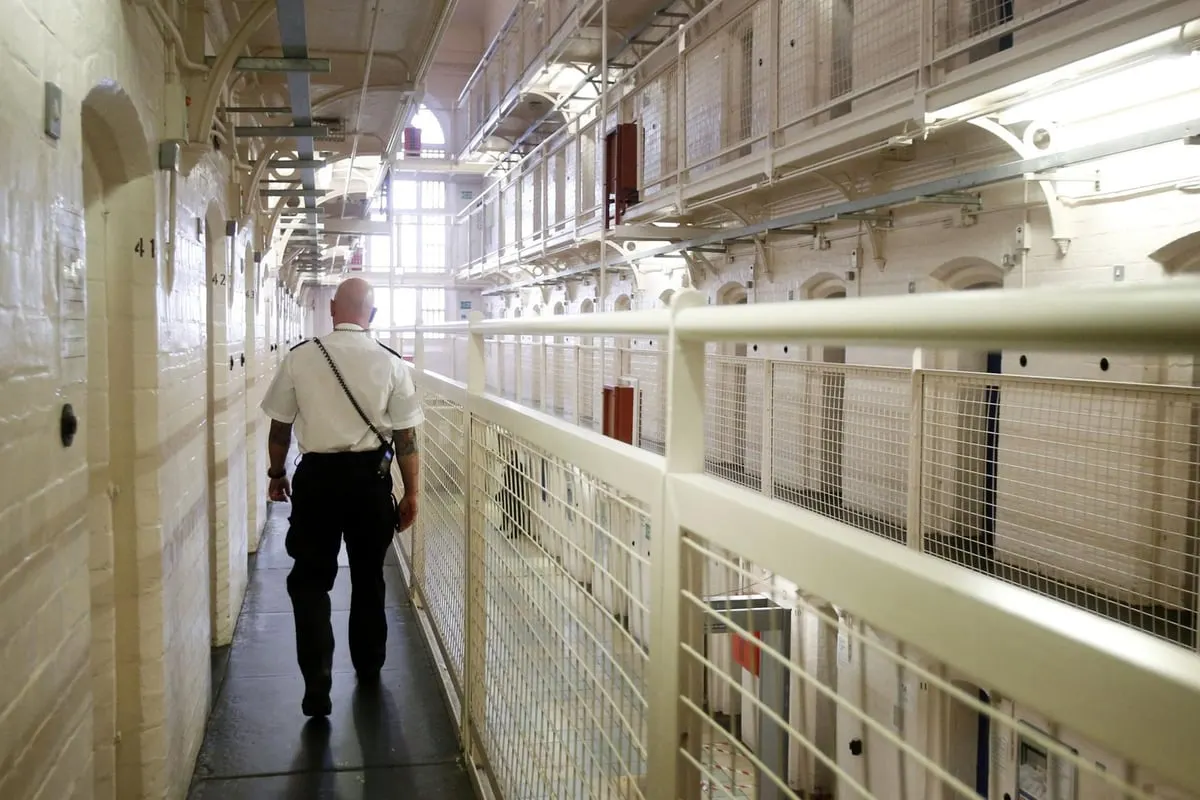
Prime Minister Andy Burnham has announced reforms to address prison overcrowding whilst responding to public concerns about early prisoner releases. A scheme that would have released approximately 6,000 offenders after serving one-third of their sentences has been delayed until October and significantly restricted—rapists, serious child sex offenders, and those convicted of grooming are now excluded. The Government maintains that without such measures, the prison system would reach capacity and compromise public safety, though Burnham indicated he would have preferred even stricter limits.
To manage long-term demand, the Government plans to build 14,000 new prison places by 2031, framed as the fastest prison construction programme since the Victorian era. Offenders released under the reformed scheme will face enhanced monitoring, including GPS tags for some, extended supervision periods, and designated restriction zones. A separate £10 million victim support initiative has been launched, featuring a national helpline and proactive outreach to affected individuals, emphasising trauma-informed assistance.
In short
- PM Burnham pauses early prisoner release scheme until October, excluding rapists and child sex offenders
- Plans 14,000 new prison places by 2031 and introduces GPS monitoring and extended community supervision
- £10 million victim support package and national helpline announced
Steelman: both sides, in good faith
The strongest fair case each way — we don't pick a winner.
The case for
The Government faces a genuine prison system crisis where overcrowding would lead to chaotic, unmanaged early releases regardless. The reformed scheme carefully targets dangerous offenders—excluding rapists, serious child sex offenders, and groomers—whilst adding strict monitoring including GPS tags and extended supervision. This pragmatic approach buys time for 14,000 new prison places, the largest expansion since Victorian times, whilst the enhanced victim support with a national helpline demonstrates genuine commitment to those affected.
The case against
Early release schemes, however restricted, fundamentally undermine public confidence in sentences and criminal justice. Rather than expanding prison capacity by 14,000 places, the Government should prioritise prevention, rehabilitation, and root-cause solutions that reduce reoffending and crime. Victims deserve confidence that sentences mean what they say; a helpline cannot compensate for released offenders. Continued investment in incapacitation rather than genuine rehabilitation represents failure to address why so many people are imprisoned.
Explained simply
Prisons hold people convicted of crimes while they serve sentences, but the number of prisoners has been close to the system’s capacity. When there are too few places, the Government must decide how to manage the pressure while maintaining public safety and carrying out sentences.
The Prime Minister and the Government set prison policy, while courts decide individual sentences. Plans to add prison places are intended to increase capacity over time; changes to release rules and supervision affect how some people serve the remainder of their sentences in the community.
These decisions matter to victims, prisoners and the wider public. They involve balancing prison capacity and public safety with the impact of release and the support available to people affected by crime.