World news and discussion on TalkFuse.
Gigabyte is launching B550 AM4 motherboards and recommending four-year-old CPUs because the memory crisis is really that bad
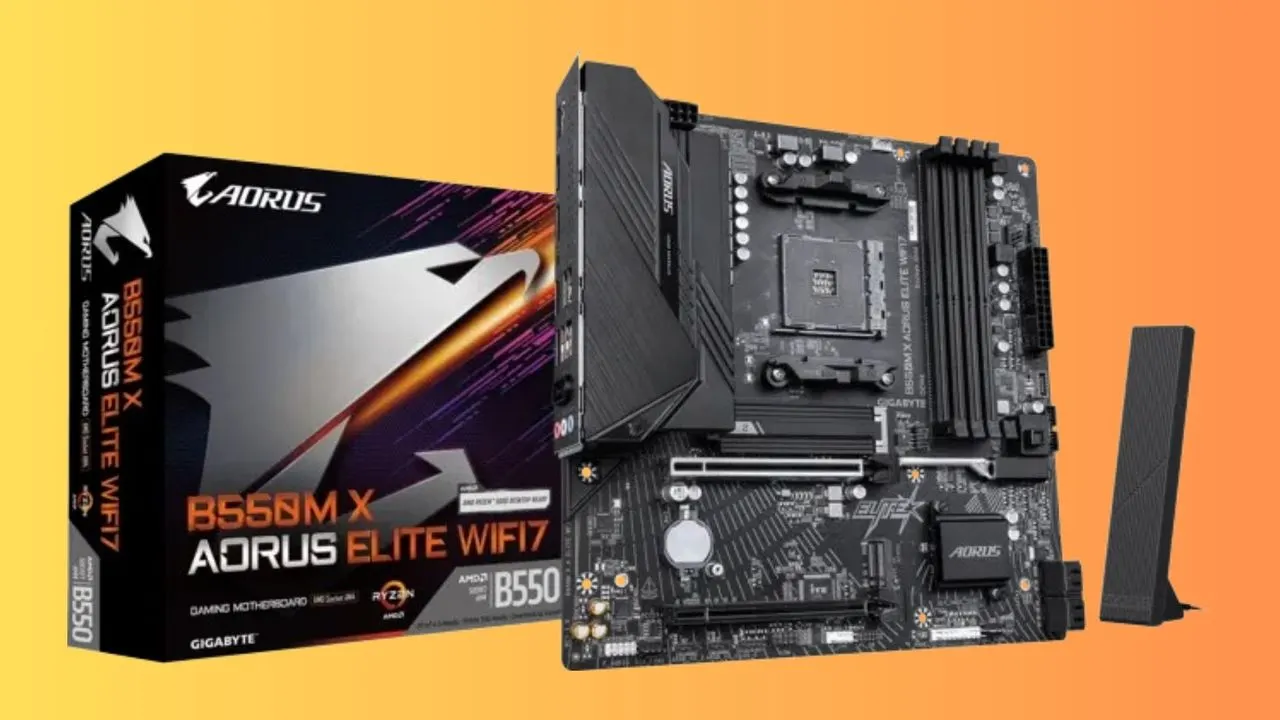
Gigabyte has introduced a new line of AM4 motherboards designed around the Ryzen 7 5800X3D, a processor released in 2022. The company's decision to develop fresh boards for aging hardware demonstrates how ongoing component shortages and cost pressures have shifted the market, making older platforms competitive for consumers seeking affordable performance without paying current-generation prices.
The 5800X3D remains functionally capable with its 8 cores, 16 threads, and substantial cache, though newer counterparts like the Ryzen 9800X3D deliver approximately 30% greater performance through higher clock speeds and advanced architecture. Current market conditions have nonetheless made the older generation viable, and the new B550 X boards address this demand by pairing legacy CPU compatibility with contemporary features including Wi-Fi 7 and enhanced power delivery systems.
In short
- Gigabyte launched new B550 AM4 motherboards specifically engineered for the four-year-old Ryzen 5800X3D processor
- The decision reflects semiconductor supply challenges making legacy hardware platforms economically attractive to budget-conscious builders
- Modern connectivity features (Wi-Fi 7) are included despite the boards targeting processors from 2022
Steelman: both sides, in good faith
The strongest fair case each way — we don't pick a winner.
The case for
Real supply constraints and cost pressures mean consumers genuinely benefit from affordable, proven performance. The 5800X3D remains capable for most workloads, and new motherboards provide modern features like Wi-Fi 7 and enhanced power delivery. Pragmatically serving market demand for reliable, accessible solutions is responsible when consumers face expensive or unavailable premium alternatives.
The case against
Whilst pragmatic short-term, promoting legacy platforms risks perpetuating problems rather than solving them. Manufacturer investment in aging architectures reduces demand pressure that would incentivise new production and competition, whilst fragmenting long-term ecosystem support. Rather than addressing insufficient modern component supply and pricing, this approach treats symptoms, leaving underlying market dysfunction unresolved.
Explained simply
AM4 is AMD’s older motherboard platform, while Ryzen 5000 processors such as the eight-core Ryzen 7 5800X3D were released several years ago. A motherboard connects a computer’s processor, memory and other components; B550 boards support AM4 processors, so they can provide a route to a capable system without using the newest platform.
Newer Ryzen processors can be faster, but building around them may mean paying more for a processor, motherboard and memory. Component shortages and higher costs can make older parts more attractive, while newer features such as Wi-Fi 7 may extend a board’s usefulness.