Seaside town doubles traffic fines after being overrun with ‘illegal and dangerous’ parking from tourists
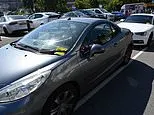
Bournemouth, Christchurch and Poole (BCP) Council has doubled parking fines across more than 500 residential roads near the seafront, in response to what it has described as "wild west" and dangerous parking by tourists during the summer season. The move affects 543 residential roads close to the seven-mile stretch of south coast seafront, following complaints about motorists abandoning vehicles illegally, including on double yellow lines, causing disruption and safety concerns in the area.
Under the new penalties, drivers caught parking illegally will face fines of £160, up from £80 previously, while the cost of having a vehicle towed away has risen from £105 to £280. The council said the tougher penalties were introduced to tackle the chaos caused by visiting motorists overwhelming the town's parking infrastructure during peak tourist periods.
In short
- Bournemouth doubles illegal parking fines to £160 on 543 roads
- Towing fees rise from £105 to £280 for illegally parked vehicles
- Council cites "wild west" tourist parking chaos near seafront
Steelman: both sides, in good faith
The strongest fair case each way — we don't pick a winner.
The case for
The council faces a genuine safety and disruption crisis during peak season, with residents confronted with illegal parking on double yellow lines and dangerous obstruction of roads. Doubling penalties from £80 to £160 is a proportionate response to an escalating problem: it maintains deterrence when the previous fine proved insufficient, whilst the increased tow-away cost reflects the genuine resource burden of vehicle removal. The council has a duty to protect residents' safety and amenity, and enforcement through meaningful penalties is an established, effective tool for changing behaviour when voluntary compliance fails.
The case against
Whilst illegal parking requires action, doubling fines addresses the symptom rather than the disease: the underlying shortage of parking infrastructure and provision. Tourists may lack familiarity with local rules and signage, making them vulnerable to steep penalties, whilst many visitors are lower-income and disproportionately affected by the doubling. The council's focus on revenue through penalties risks appearing punitive rather than solution-oriented; investment in additional parking spaces, improved public transport, or clearer signage would tackle the root cause whilst preserving the economic benefits tourism brings to the town, rather than risking visitor numbers through penalisation alone.
Explained simply
Bournemouth, Christchurch and Poole is a coastal council area in Dorset, with a long seafront that attracts many visitors, especially in summer. Residential streets near the beach can also be used by people looking for somewhere to park when seafront car parks are busy.
Parking restrictions such as double yellow lines are intended to keep roads clear and help traffic move safely. If cars are left where parking is prohibited, they can obstruct residents, other road users and emergency services.
The council is responsible for enforcing parking rules on local roads. Its decisions affect both residents who live near busy visitor areas and motorists travelling to the coast.