Man arrested near Trump golf club found with weapons cache
Developed over time first seen 3 months ago
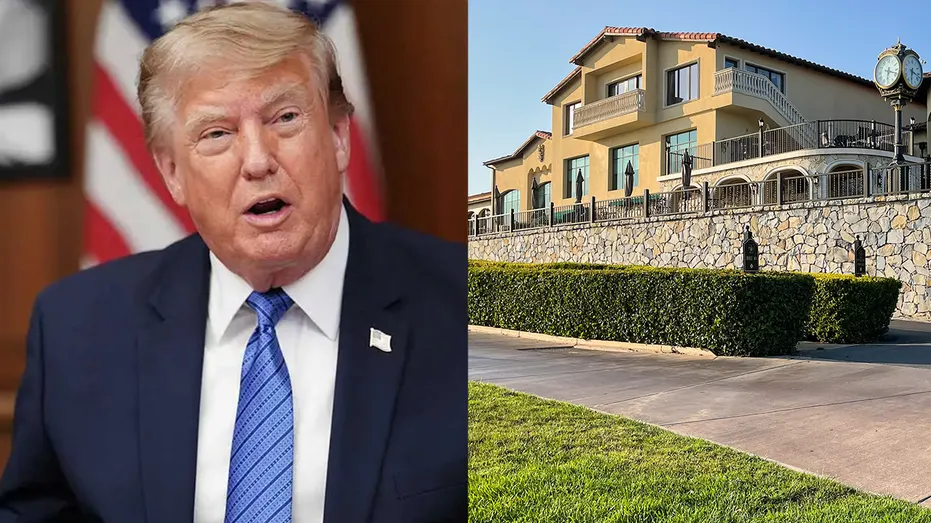
A California man was arrested at Trump National Golf Club in Rancho Palos Verdes on a Sunday after allegedly surveilling security preparations ahead of a planned visit by President Donald Trump. Authorities said the suspect was subsequently found in possession of a cache of weapons, including a loaded firearm in his vehicle, prompting concerns about a potential security threat targeting the president.
The suspect was named as Jeanine John Taele, 38, of Downey, California. He was arrested after plainclothes federal agents observed him walking the golf course grounds, photographing and filming the area in a manner authorities said appeared to monitor security-planning activities. A subsequent search uncovered multiple weapons linked to him, and he was taken into custody as investigators assessed the threat he posed ahead of Trump's scheduled visit.
- Sources
- 2
- Outlets
- 2
- Left · Centre · Right
- 0 · 1 · 1
In short
- Man arrested at Trump golf club before president's planned visit
- Suspect allegedly filmed security preparations, found with weapons cache
- Jeanine John Taele, 38, of Downey, California, taken into custody
How this story developed
- 3 months ago The account was refined to clarify that agents had observed Taele walking the grounds and photographing the area over the days preceding Trump's visit, rather than filming it in a single incident, while confirming that the weapons search and threat assessment described previously remained unchanged.
- 3 months ago A California man, later identified as 38-year-old Jeanine John Taele of Downey, was arrested at Trump National Golf Club in Rancho Palos Verdes on a Sunday after federal agents caught him photographing and filming security arrangements ahead of a scheduled visit by President Trump, with a subsequent search of his vehicle turning up a loaded firearm and other weapons.
Where outlets differ
Centre outlets 1
Only here: armed, course, ahead, president, visit
Right-leaning outlets 1
Only here: club, found, weapons, cache
Every side used: arrested, near, trump, golf
Headline columns compared word for word; nothing in them is AI-written.
Explained simply
Weapons policy in the United States allows most adults to legally own firearms, but there are strict limits around federal properties and events involving the president, who is protected by the Secret Service whenever they travel. Security teams typically sweep and secure the surrounding area in advance of any presidential visit, watching for unusual behaviour such as unauthorised photography or repeated visits to a site.
Trump National Golf Club in Rancho Palos Verdes, California, is one of several golf properties owned by Donald Trump that he has visited regularly since becoming president again. Because these are privately owned sites he frequents, they require the same kind of security planning as any other presidential stop, coordinated between the Secret Service and other law enforcement agencies.
Cases like this typically move through the local court system, where prosecutors decide what charges, if any, to bring, and a judge considers questions such as bail. The outcome can take some time to become clear, and details of a suspect's intentions are usually established later in the legal process rather than at the time of arrest.
Coverage · 2 sources
Bias meters
From 2 rated sources.
Read the full article at the source →
Originally published by Fox News as “Man arrested at Trump golf course ahead of president’s visit allegedly had weapons cache”.