Big Walk isn’t an open world hangout sim, it’s a secret Predator game, or it would be if House House would quit fixing the voice volume
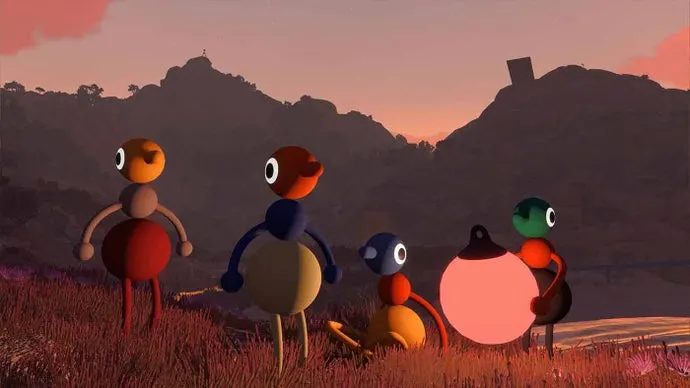
Rock Paper Shotgun's Ed Thomas offers a tongue-in-cheek take on Big Walk, the newly released 12-player open-world game from Untitled Goose Game developer House House. Rather than treating it as the cosy "hangout sim" it has been widely billed as, the piece argues it doubles as an accidental stealth-horror experience, since its restricted communication tools let players lurk unseen and startle their friends.
The game strips out standard multiplayer features such as squad voice channels, pings and map icons, forcing players to rely on distance-distorted proximity chat or in-world devices like walkie-talkies, flare guns and handheld signs to communicate. The author is dismayed that House House is already patching a bug that makes nearby players' voices too quiet, since this undermines the stalking potential of the "sock drawer microphone" tactic. The piece is written as a playful opinion/preview rather than straight news, closing with the writer inviting readers to share their own experiences with the game.
In short
- Big Walk is an open-world multiplayer game by House House, out now.
- Limited comms and proximity chat let players secretly stalk each other.
- Writer is annoyed devs are patching a bug making distant voices too quiet.
Steelman: both sides, in good faith
The strongest fair case each way — we don't pick a winner.
The case for
The game's intentional design removes standard multiplayer features like squad voice and map markers, making the limited communication system a deliberate philosophical choice rather than an oversight. The quiet voice bug is a natural consequence of this design ethos, and the emergent gameplay it creates—the possibility of lurking and surprising friends—adds unpredictable, memorable moments that enhance the experience beyond conventional social gaming. Preserving these quirks respects the design vision and rewards players who discover creative ways to interact.
The case against
A cosy hangout simulator must prioritise clear, reliable communication so players can genuinely connect and enjoy each other's company without frustration or technical barriers. Voice clarity is essential for facilitating real friendship and meaningful social interaction, and allowing bugs to persist merely inconveniences players whilst undermining the stated purpose of the game. Fixing obvious technical issues demonstrates respect for players' time and their desire for a pleasant, functional experience rather than struggling with unreliable audio.
Explained simply
Big Walk is a multiplayer game from House House, the Australian studio behind Untitled Goose Game. It puts up to 12 players together in a large outdoor world, where they can explore and spend time with one another.
Players cannot use the usual multiplayer tools such as map markers or team voice channels. Instead, they communicate through voices that become harder to hear with distance, or use items in the game, including walkie-talkies and signs. How well players can hear one another can shape whether the game feels like a relaxed group outing or a chance to sneak up on friends.
The story is a humorous opinion piece about that unexpected tension, rather than a straight news report. It matters to players because changes to voice volume can alter how communication—and surprise encounters—work in the game.
Entertainment Gaming Software Technology