JD Vance warns ‘limousine socialists’ will destroy Michigan auto jobs, depress American wages
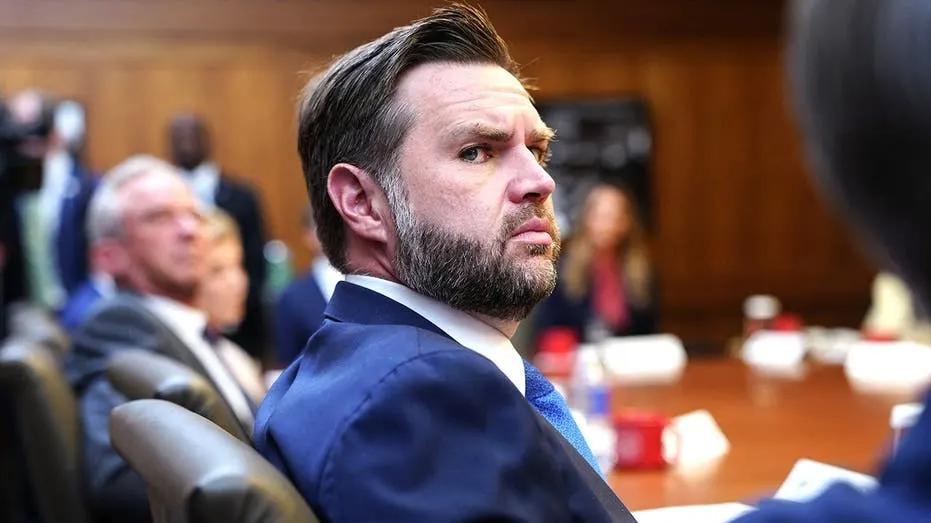
US Vice President JD Vance has criticised Michigan Senate candidate Abdul El-Sayed, branding him a "limousine socialist" after his primary win, and warned that Democratic socialist policies would damage the state's automotive industry and lower wages for American workers. The remarks came during an interview with Fox News host Laura Ingraham, in which Vance argued that El-Sayed's economic platform posed a direct threat to blue-collar jobs in Michigan, a state central to the US car manufacturing sector.
Vance's comments form part of a broader Republican effort to cast progressive Democratic candidates as out of touch with working-class voters ahead of the midterm elections. El-Sayed, who has positioned himself on the party's left flank, has faced separate scrutiny over party unity and his associations, with the article noting wider debate about how the press might frame such controversies in coverage of Michigan's Senate race.
In short
- Vance labelled Michigan candidate Abdul El-Sayed a "limousine socialist".
- He warned Democratic socialism would hurt Michigan auto jobs and wages.
- Comments made in a Fox News interview with Laura Ingraham.
Steelman: both sides, in good faith
The strongest fair case each way — we don't pick a winner.
The case for
The Republican argument rests on a coherent economic theory: that heavy taxation and regulatory burdens on businesses ultimately harm working-class employment and wages. Vance contends that Michigan's auto industry depends on capital investment and competitive production costs; if progressive policies increase corporate taxes and compliance costs, companies will invest elsewhere or reduce payrolls, directly harming the blue-collar workers El-Sayed claims to champion. The "limousine socialist" critique, fairly stated, is that wealthy progressives can afford policies' downsides whilst working people bear the employment consequences.
The case against
The progressive counterargument holds that strong labour protections and public investment actually benefit working people more than business-friendly deregulation. Historical American auto manufacturing's strength came partly through unionisation and worker standards; progressive policies aim to restore such protections whilst expanding healthcare, education, and infrastructure that strengthen workers' bargaining power and quality of life. Rather than being out of touch, this represents genuine advocacy for working-class interests against corporate cost-cutting, with the "limousine socialist" label serving as a rhetorical dodge against substantive policy discussion.
Explained simply
Michigan is a major centre of US car manufacturing, and the industry supports jobs both in factories and across their supply chains. Changes in the cost of making cars, trade and workers’ pay can affect the state’s economy as well as the wider US labour market.
JD Vance is the US vice-president and a Republican; Abdul El-Sayed is a Democratic candidate seeking a Michigan Senate seat. El-Sayed is on the party’s progressive wing, which generally supports a larger role for government in the economy, while Republicans often argue that such policies can burden businesses.
The dispute reflects a wider contest over which party best represents working-class voters ahead of the midterm elections. Michigan’s Senate race matters because the state’s manufacturing base and political competitiveness make it an important battleground.
Business Economy Government Politics World