David O. Russell and Nicolas Cage’s ‘Madden’ Sets Prime Video Streaming Release for November
Developed over time first seen 2 months ago
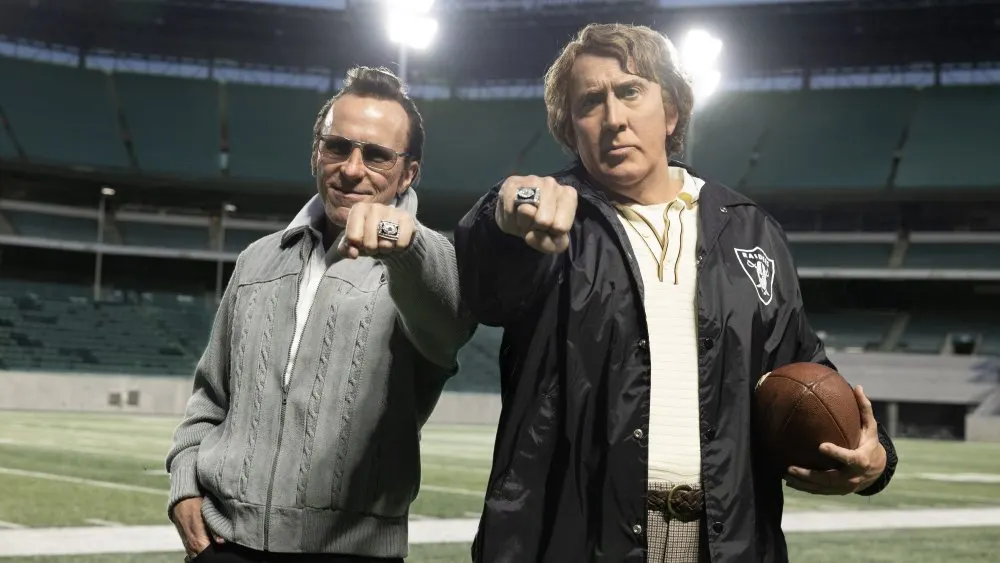
David O. Russell’s sports drama “Madden”, starring Nicolas Cage as American football coach and broadcaster John Madden, will premiere on Prime Video on 18 November. Amazon MGM plans an awards-qualifying cinema release earlier that month, but no nationwide theatrical rollout, making the streaming-first strategy notable for a film by an Oscar-nominated director.
The film follows Madden’s coaching career with the Oakland Raiders, including their first Super Bowl win, alongside his relationships with team owner Al Davis and wife Virginia. Christian Bale, Kathryn Hahn, John Mulaney, Sienna Miller and Shane Gillis also star; Amazon MGM has not explained the limited cinema plans, though Russell’s controversial reputation and the commercial failure of his 2022 film “Amsterdam” provide context.
- “Madden” arrives on Prime Video on 18 November.
- It will receive only a limited awards-qualifying cinema release.
- Nicolas Cage plays coach and broadcaster John Madden.
New here? Start with this
John Madden was one of the best-known figures in American football. He coached the Oakland Raiders to a Super Bowl victory in the 1970s, then became a prominent television commentator and lent his name to the long-running Madden NFL video game series.
The film focuses on Madden’s time with the Raiders and his relationships with the team’s owner, Al Davis, and his wife, Virginia. Nicolas Cage plays Madden, while Christian Bale and Kathryn Hahn are among the supporting cast.
David O. Russell is an American director known for films including Silver Linings Playbook and American Hustle, both of which received major awards attention. His new film’s release plan combines a limited cinema run intended to meet awards rules with a wider debut on Amazon’s Prime Video service.
Both sides, in good faith
The strongest fair case each way — we don't pick a winner.
The case for
Film is an art form that demands the theatrical experience, and movies by respected directors like David O. Russell deserve cinema releases where audiences can appreciate the work as intended. Limited theatrical runs affirm artistic merit and help preserve cinema as a cultural institution; streaming-first strategies contribute to cinema's erosion into mere content. The commercial convenience to studios should not override the principle that major films warrant the big-screen experience, particularly from acclaimed directors.
The case against
The film industry must adapt to where audiences actually are: theatrical distribution is financially risky for non-tentpole films, and streaming platforms represent how most people now watch movies. Given Russell's controversial reputation and the commercial failure of Amsterdam, a streaming-first strategy is pragmatic resource management rather than artistic betrayal. What matters is that quality films reach audiences and filmmakers can sustain their careers; the medium through which they are watched is secondary to the work finding its audience.