Culture news and discussion on TalkFuse.
Paramount-WBD Deal Endorsed By Lionsgate CEO Jon Feltheimer: “Uncertainty Is The Worst Thing For Our Business”
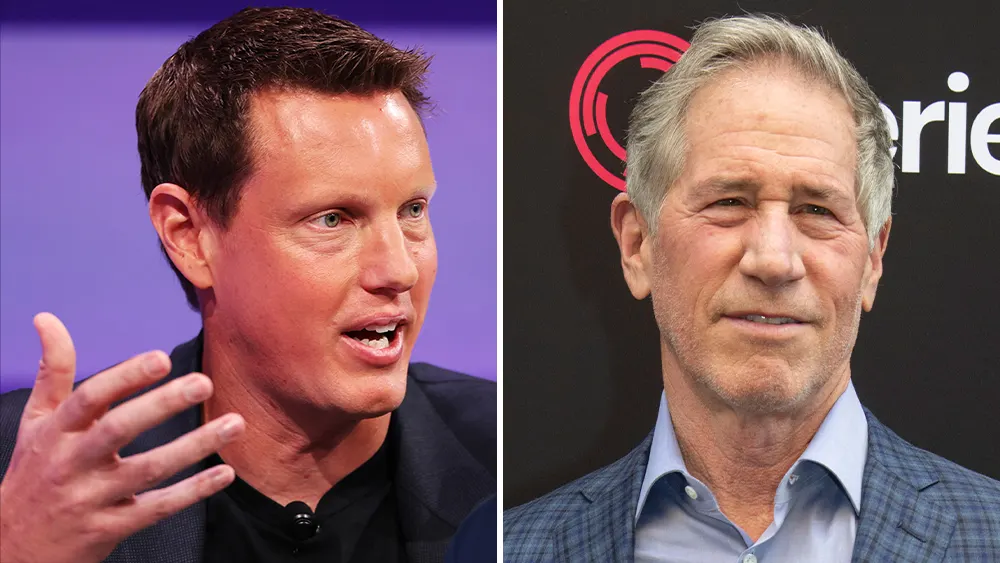
Lionsgate CEO Jon Feltheimer has publicly backed Paramount's proposed $110 billion merger with Warner Bros. Discovery, telling analysts on Lionsgate's quarterly earnings call that prolonged uncertainty over the deal is damaging for the industry. His comments add a significant voice of support at a time when the tie-up faces legal challenges that have delayed its completion, mattering because major studio leaders rarely weigh in so directly on a rival company's dealmaking.
The merger cleared regulatory review but was hit in July by an antitrust lawsuit from the Writers Guild of America and 12 state attorneys general, with a full trial now set for next March. Feltheimer, who joins other supporters including TKO's Ari Emanuel and the CEOs of AMC and Regal, praised Paramount chief David Ellison personally and said a better-financed Paramount+ would benefit Lionsgate as a content supplier and potential co-financing partner. This contrasts with opposition from more than 5,000 signatories, including several A-list figures, who have raised concerns about layoffs and studio consolidation.
In short
- Lionsgate's CEO publicly endorses the Paramount-WBD merger
- Deal delayed by WGA and states' antitrust lawsuit; trial set for March
- Over 5,000 have signed a petition opposing the merger
Steelman: both sides, in good faith
The strongest fair case each way — we don't pick a winner.
The case for
Those supporting the merger argue that industry consolidation is necessary for studios to compete effectively in the streaming era, where massive capital investment is required. They contend that uncertainty from prolonged legal battles damages the entire industry's ability to invest and plan, and that a stronger Paramount+ actually increases competition by creating a more viable third force alongside Netflix and Disney+. They view the regulatory clearance as validating the merger's competitive merit and argue that scale enables more ambitious content investment and better stability for suppliers.
The case against
Those opposing the merger argue that further consolidation reduces creative competition and diminishes the number of independent entities making decisions about content production and employment. They contend that the merger would trigger significant job losses and that antitrust enforcement exists precisely to prevent large incumbent firms from becoming even more dominant, potentially stifling innovation and limiting opportunities for new entrants and artists. They view the WGA and state attorneys general's legal challenges as raising legitimate concerns about market concentration and worker welfare.
Explained simply
Paramount and Warner Bros. Discovery are large entertainment groups that make and distribute films and television, and run streaming services. Paramount is led by David Ellison; Lionsgate, whose chief executive is Jon Feltheimer, is a separate studio that supplies films and programmes to other companies.
A merger would combine Paramount and Warner Bros. Discovery, bringing more of their studios, channels and streaming operations under one owner. The deal has drawn legal opposition from the Writers Guild of America and several US states, as well as concerns from people in the entertainment industry about job losses and fewer independent studios.
The outcome matters to film-makers, workers, audiences and companies that sell content to streaming services. A larger combined business could change how programmes are financed and distributed, while uncertainty about the deal can affect planning across the industry.
Art Business Companies Culture Research Science