Culture news and discussion on TalkFuse.
Donald Trump Can’t Build White House Ballroom Without Congressional Approval, Appeals Court Rules
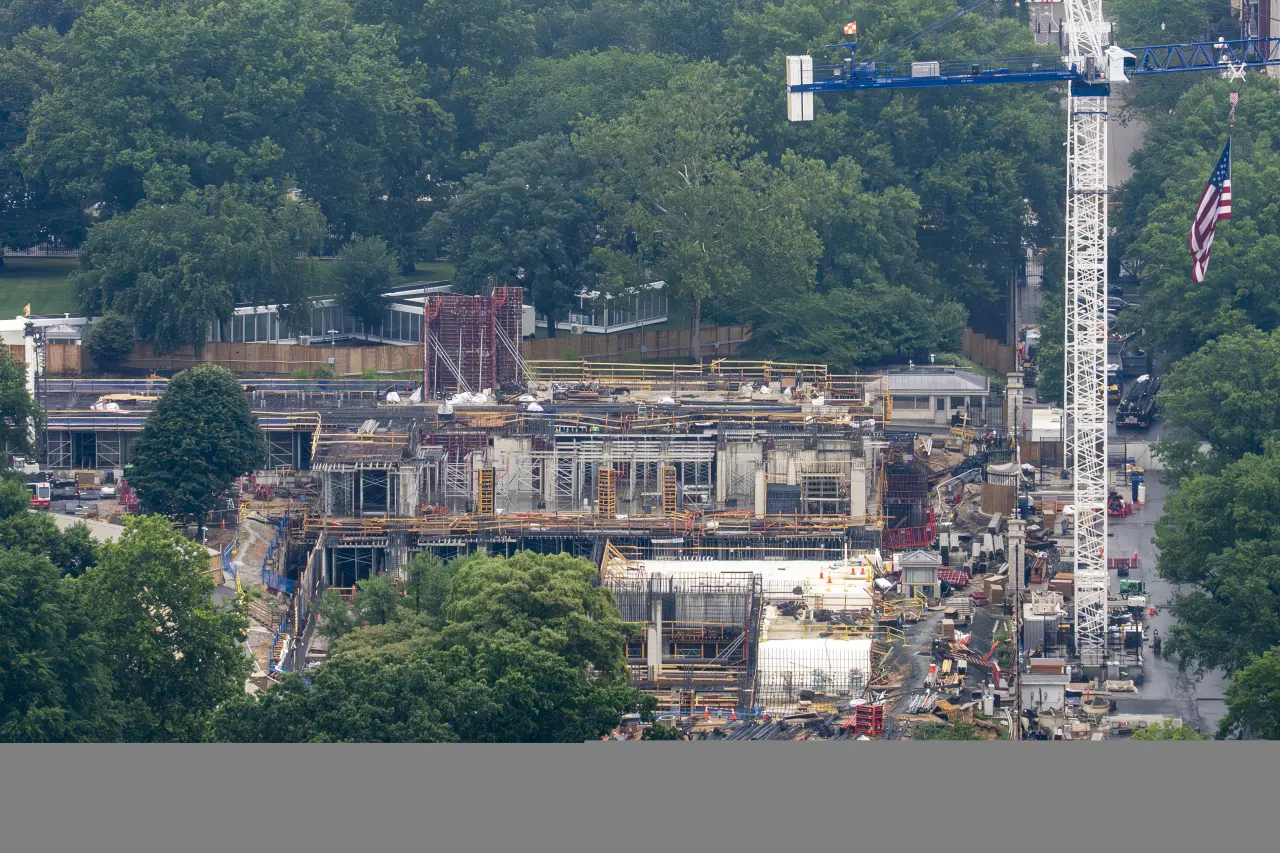
A federal appeals court has ruled that Donald Trump must obtain Congress’s approval before continuing construction of a large ballroom at the White House’s East Wing. The 2-1 decision means most work must stop, reinforcing the court’s view that a president is a temporary occupant rather than the owner of the Executive Residence and cannot unilaterally alter it.
The court allowed limited safety and security work and gave Trump’s administration 14 days to seek Supreme Court review, which he has said he will do. Construction had resumed during the appeal after a lower-court ruling was paused; above-ground elements are now visible after the East Wing was demolished last October, despite preservation groups’ concerns and no public review.
In short
- Appeals court blocks White House ballroom construction without Congress’s approval.
- Limited safety and security work may continue.
- Trump plans to seek Supreme Court review.
Steelman: both sides, in good faith
The strongest fair case each way — we don't pick a winner.
The case for
The White House is public property held in trust for the American people, and presidents serve as temporary custodians rather than owners. Allowing unilateral presidential alteration of historic federal buildings undermines democratic accountability and congressional oversight of shared national assets. The court's decision properly protects the principle that major renovations affecting public property require broader democratic scrutiny, whilst still permitting necessary security and safety work.
The case against
Presidents require operational autonomy to manage the Executive Branch's facilities and conduct legitimate governmental functions, including diplomatic entertaining and state business. Congressional appropriations for White House operations implicitly authorise necessary improvements, and requiring explicit legislative approval for every presidential decision about their working space creates unnecessary administrative gridlock that hampers executive effectiveness. Subjecting routine presidential facility management to judicial review and congressional veto sets a troubling precedent that interferes with core presidential functions.
Explained simply
The White House is both the US president’s workplace and an official residence, maintained with public funds. The East Wing houses offices and ceremonial spaces, and changes to the historic building can raise questions about who has authority to approve them.
Congress controls federal spending and can authorise major projects involving public money. Presidents oversee the executive branch, but their power to alter government property is limited by law; preservation groups also monitor changes to historic sites.
The dispute concerns whether a president can proceed with a major alteration to the White House without Congress’s approval. It touches on the balance of power between the president and Congress, as well as how the country’s most prominent government building is protected.
Art Culture Government Politics