Trump ally ‘El Tigre’ sworn in as Colombia’s new president amid continent’s rightward shift
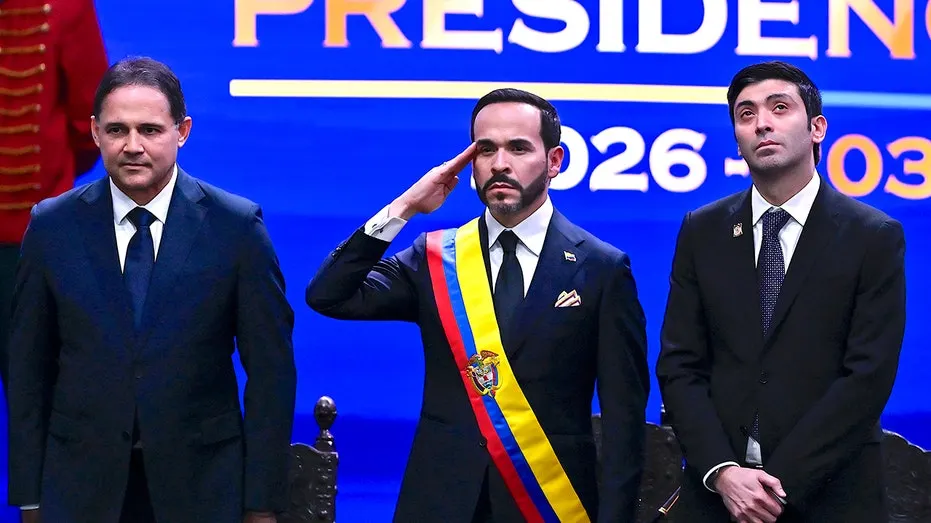
Colombia’s new conservative president, Abelardo de la Espriella, known as “El Tigre”, was sworn in on Friday, promising to reverse much of former president Gustavo Petro’s left-wing agenda. His inauguration signals a significant political shift for Colombia and reflects a broader move towards right-wing leadership in parts of Latin America.
De la Espriella said he would take a tougher approach to security, reshape economic policy and strengthen relations with the United States. He succeeds Petro after four years in office, with the change in government framed as one of the region’s most consequential recent political transitions.
In short
- Colombia swore in conservative president Abelardo de la Espriella.
- He pledged to reverse much of Petro’s agenda.
- The change reflects Latin America’s broader rightward shift.
Steelman: both sides, in good faith
The strongest fair case each way — we don't pick a winner.
The case for
Supporters contend that Colombia requires firmer security policies to combat organised crime and violence, which have hindered economic development and undermined public confidence. They argue that market-oriented economic reforms and strengthened ties with the United States will attract investment, create jobs, and provide security assistance to address longstanding institutional challenges that leftist approaches left unresolved. They believe pragmatic, security-first governance prioritises tangible improvements in citizens' daily lives over ideological commitments.
The case against
Critics argue that the rightward shift abandons crucial progress on inequality and social investment that demands time to demonstrate results. They contend that security-focused policies without addressing root causes of crime—poverty, lack of opportunity, historical injustice—will perpetuate cycles of violence and marginalisation. From their perspective, strengthening US alignment risks subordinating Colombia's sovereignty and regional interests to external priorities, whilst rolling back programmes helping vulnerable populations represents a retreat from democratic commitments to inclusive governance.
Explained simply
Colombia is a large country in north-western South America, where debates over inequality, public services and security have long shaped politics. For decades, armed groups linked to guerrilla movements, drug trafficking and other criminal activity have affected parts of the country, making security a central issue for many voters.
Gustavo Petro, Colombia’s first left-wing president, served from 2022 to 2026 and pursued changes to areas including social policy and the economy. Abelardo de la Espriella, a conservative lawyer and political figure known as “El Tigre”, has pledged a different approach; his government’s choices will affect public policy at home and Colombia’s relationships abroad.
The transfer of power also comes as several Latin American countries have elected conservative leaders. Colombia’s direction matters beyond its borders because it is a major regional economy and a close partner of the United States.