SEE IT: Dem senators rally behind El-Sayed but duck questions on progressive agenda
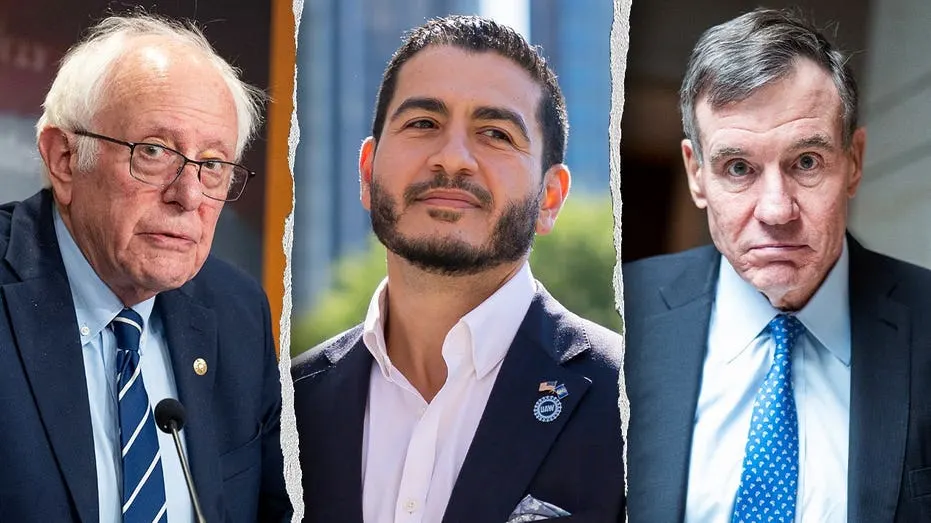
Senate Democrats are backing Abdul El-Sayed, Michigan’s Democratic Senate nominee, as he prepares to face Republican Mike Rogers. The race is important because Democrats are seeking to retain the seat and improve their chances of regaining a Senate majority.
In footage highlighted by Fox News, Democratic senators expressed confidence that El-Sayed could win, but avoided directly addressing questions about whether his progressive political agenda could affect his appeal to voters. Rogers is positioning himself as the Republican alternative following El-Sayed’s primary victory.
In short
- Democrats unite behind El-Sayed in Michigan’s Senate race.
- The contest could affect control of the Senate.
- Senators avoided discussing his progressive agenda.
Steelman: both sides, in good faith
The strongest fair case each way — we don't pick a winner.
The case for
Democratic senators could reasonably view strategic focus on El-Sayed's electability and qualifications in the general election as sound campaign practice. The progressive agenda won the primary fair and square; dwelling on settled ideological disputes rather than emphasising broader themes of economic competence and trustworthiness reflects mature general election strategy, not evasion. Winning Senate majorities requires appealing beyond the party base, and concentrating on shared concerns rather than policy details is a legitimate approach to broadening support.
The case against
The reluctance to discuss or defend El-Sayed's progressive agenda when directly asked suggests Democratic senators lack confidence it can survive public scrutiny with general election voters. Democratic discourse depends on candidates and parties being transparent about their actual policy proposals; if senators believe in what they nominated, they should articulate and defend it clearly. Strategic ducking of substantive questions about a nominee's positions undermines voters' ability to make informed choices and erodes the principle that elected officials should stand behind their commitments.
Explained simply
Michigan is one of the US states that elects a senator to represent it in Washington. The Senate is part of Congress, which makes federal laws, and control of the chamber affects how easily a president’s party can advance its plans.
Abdul El-Sayed is the Democratic nominee, chosen by voters in his party’s primary, and Mike Rogers is the Republican candidate. Democrats are seeking to hold the seat as they try to regain a Senate majority; the candidates’ policy positions and appeal to voters will shape the contest.
Geopolitics Government Politics World